At a glance
- Best for
- Wildlife, hiking, views and rock art
- Gateway
- Lopé station on the Transgabonais railway
- Time needed
- Two to three nights
- Best season
- June to September, and July to August for big mandrill groups
- Getting there
- Overnight or daytime train from Libreville Owendo station
- Status
- UNESCO World Heritage Site
Why Lopé is worth your time
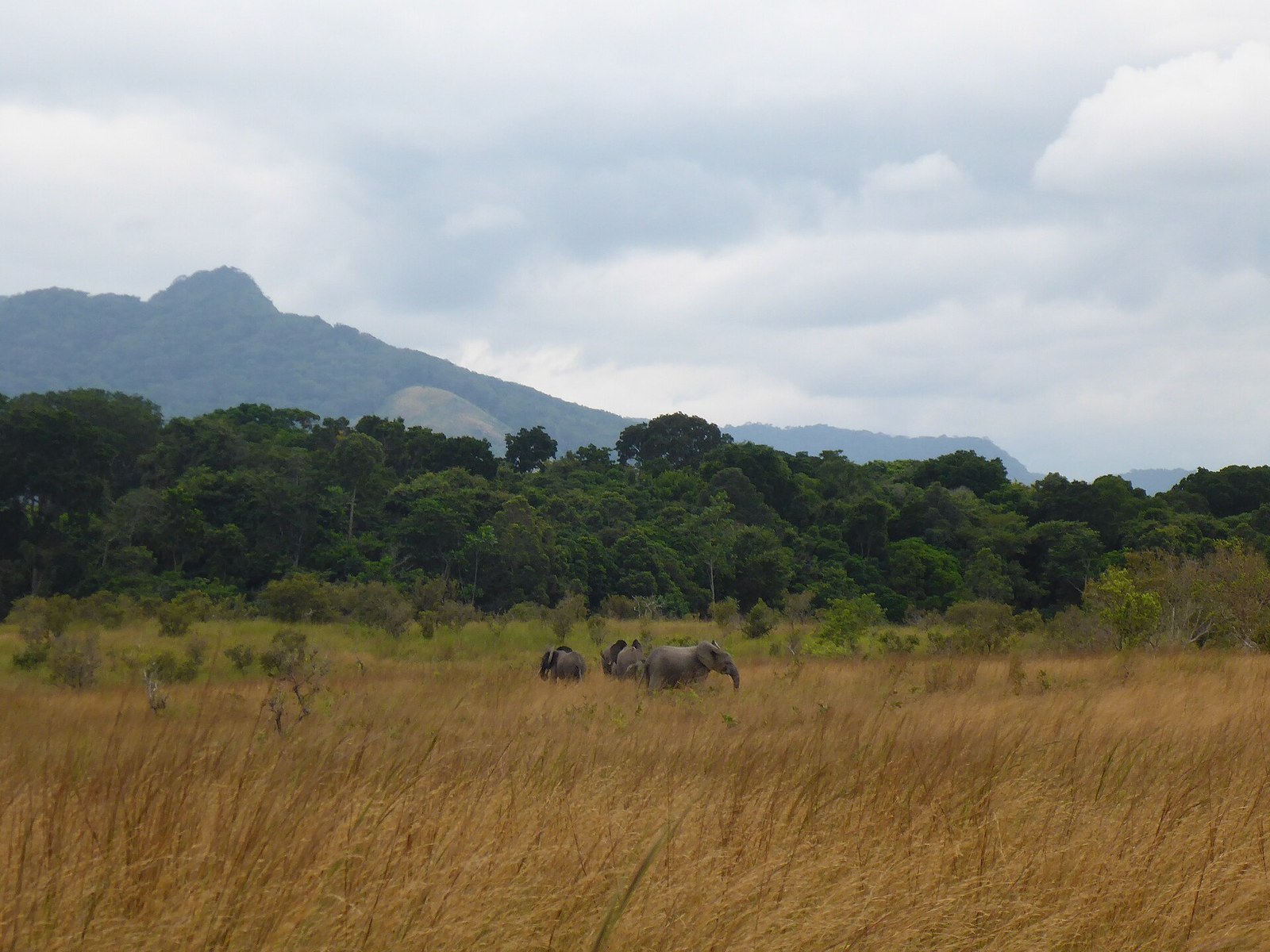
Lopé is the most accessible of Gabon's big parks and a perfect introduction to the interior. The open savannah in the north of the park gives you wide views across green hills and gallery forest, which is rare in Central Africa, while the forest further south shelters elephants, gorillas, chimpanzees and hundreds of bird species.
UNESCO listed the **Ecosystem and Relict Cultural Landscape of Lopé-Okanda** for this mix of nature and human history. People have lived along this stretch of the Ogooué for hundreds of thousands of years, and they left behind stone tools and some of the finest rock engravings in Central Africa.
Wildlife
The star is the **mandrill**. Lopé is home to some of the largest groups of mandrills ever recorded, sometimes hundreds strong, and researchers have tracked them here for decades. Seeing a horde stream across a forest track is unforgettable, though sightings take patience and good guides.
You may also see forest elephants on the savannah edges, buffalo, red river hogs, sitatunga, many monkey species and birds from hornbills to rosy bee eaters. Gorillas and chimpanzees live in the park but are not habituated here, so sightings are rare.
Things to do
- **Savannah drives and walks** with park guides, often early in the morning and late in the afternoon when animals are active.
- **Mandrill tracking** with researchers or experienced guides, best arranged in advance.
- **Rock art visits** to sites such as Elarmékora, where engravings of circles and spirals mark the rocks above the valley.
- **Viewpoints** over the Ogooué, such as the hills near Lopé village, for big sunsets.
- **River time** on the Ogooué beside the village.
All activities inside the park should be done with official guides. The national parks agency, ANPN, manages Lopé and can advise on permits and authorised guides.
Getting there: the Transgabonais
Most visitors arrive by the **Transgabonais railway**, which runs from Owendo station in Libreville to Franceville. The journey to Lopé takes many hours and is an adventure in itself, passing through rainforest, small stations and river crossings. Book tickets ahead with the railway operator, travel with snacks and water, and expect delays. Your lodge can usually meet the train at Lopé station.
Where to stay
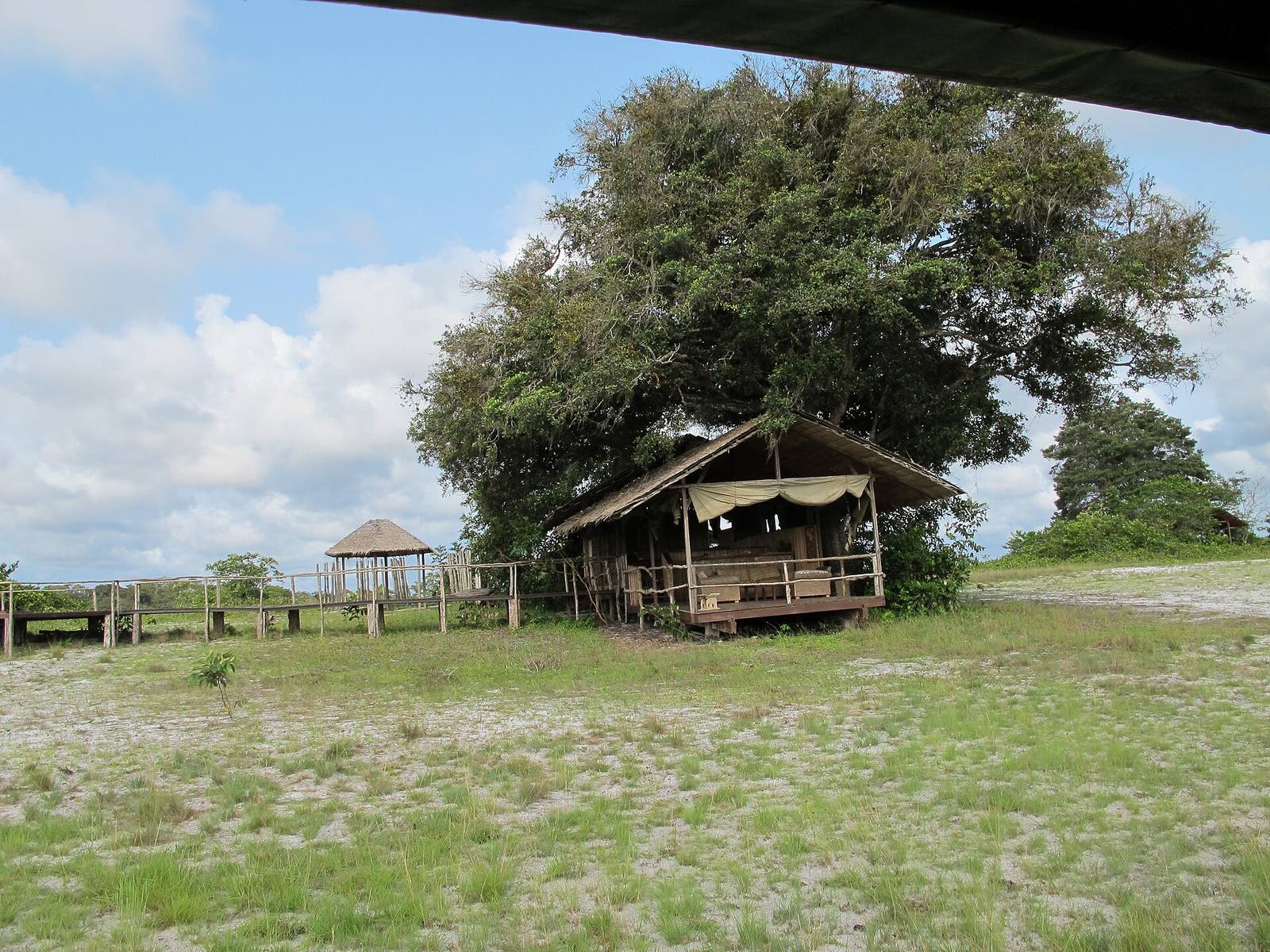
Lodging is limited to a small number of hotels and lodges near Lopé village, including a long established hotel overlooking the river, plus simpler guesthouses. Book well ahead in the dry season, and ask what activities and transfers are included.
Practical tips
- Bring binoculars, a rain jacket, long sleeves and good walking shoes.
- Take malaria precautions and carry insect repellent.
- Cash is essential; there are no reliable cash machines in the village.
- Mobile signal is limited in the park.
A sample stay
Arrive on the train and settle in by the river. The next morning, head out at dawn on a savannah drive, then rest through the midday heat. In the afternoon, visit the rock engravings and a viewpoint for sunset. Spend the following day tracking mandrills with an experienced guide, which can mean hours of patient walking and listening for their calls. Leave on the train with memories of open hills and forest that feel like nowhere else in Central Africa.
Combining Lopé
Lopé works well after a few days in Libreville. With more time, add Loango National Park for the coast. Build your route with the free trip planner.
Questions about Lopé National Park
How do I get to Lopé National Park?
Most visitors take the Transgabonais train from Owendo station in Libreville to Lopé station. Lodges usually meet the train.
What animals can I see in Lopé?
Mandrills are the highlight, along with forest elephants, buffalo, monkeys and many birds. Gorillas and chimpanzees live there but are rarely seen.
When is the best time to see mandrills in Lopé?
The dry season, especially July to September, is when large mandrill groups are most often tracked, but nothing is guaranteed.
Is Lopé a UNESCO site?
Yes. The Ecosystem and Relict Cultural Landscape of Lopé-Okanda is on the UNESCO World Heritage List.
Facts checked . Fees, schedules and entry rules change, so always confirm the latest with the official source.