At a glance
- Best for
- Seafront, markets, food and a gentle start
- Gateway
- Léon Mba International Airport (LBV)
- Time needed
- Two to three nights
- Best season
- June to September, the long dry season
- Getting around
- Shared and private taxis
- Day trips
- Akanda, Cap Estérias and the Raponda Walker arboretum
Why Libreville is worth your time
Libreville was founded in the 1840s as a settlement for freed captives, which is where its name, meaning free town, comes from. Today it is home to around a third of Gabon's people and feels more like a string of neighbourhoods than one dense city. It is greener and calmer than many African capitals, and the ocean is never far away.
Give it two or three days before heading into the interior. You will get over the flight, sort a local SIM and cash, and get a feel for Gabonese food and French-speaking city life before the bigger adventures begin.
Neighbourhoods to know
- **Centre ville and the Bord de Mer**: the seafront boulevard runs along the estuary past government buildings, the presidential palace area and the port. It is the best place for an evening walk, with breezes and sunsets over the water.
- **Quartier Louis**: the classic nightlife and restaurant district, with bars, terraces and live music. Lively at weekends, best enjoyed with a group and taxis door to door.
- **Glass**: one of the oldest parts of the city, near the port, with an old wooden church and a working waterfront feel.
- **Nkembo and Mont-Bouët**: busy residential and market areas. Mont-Bouët market is the biggest in the city and a real slice of everyday life.
- **La Sablière and Angondjé**: the leafy northern districts near the airport and beaches, with larger hotels, villas and the Raponda Walker arboretum.
What to see and do
The **Musée National des Arts, Rites et Traditions du Gabon** is the place to start understanding the country's cultures, with masks and objects from the Fang, Punu, Kota and other peoples. Gabonese masks shaped modern art in Europe, and seeing them here gives that story a home.
The **Église Saint-Michel de Nkembo** is famous for its carved wooden columns showing Bible scenes in a local style. The **Cathédrale Sainte-Marie** and the old churches of Glass tell the city's mission history.
For nature, the **Raponda Walker Arboretum** at La Sablière protects coastal forest and beach on the edge of the city. **Akanda National Park**, north of town, is a world of mangroves and mudflats that draws migrating birds, best seen with a boat trip from a local operator.
Markets are a highlight. Mont-Bouët is huge and crowded: go in the morning, keep valuables hidden and take a local friend if you can. For crafts, look for the artisans' stalls selling carved masks and soapstone from Mbigou.
Beaches near the city
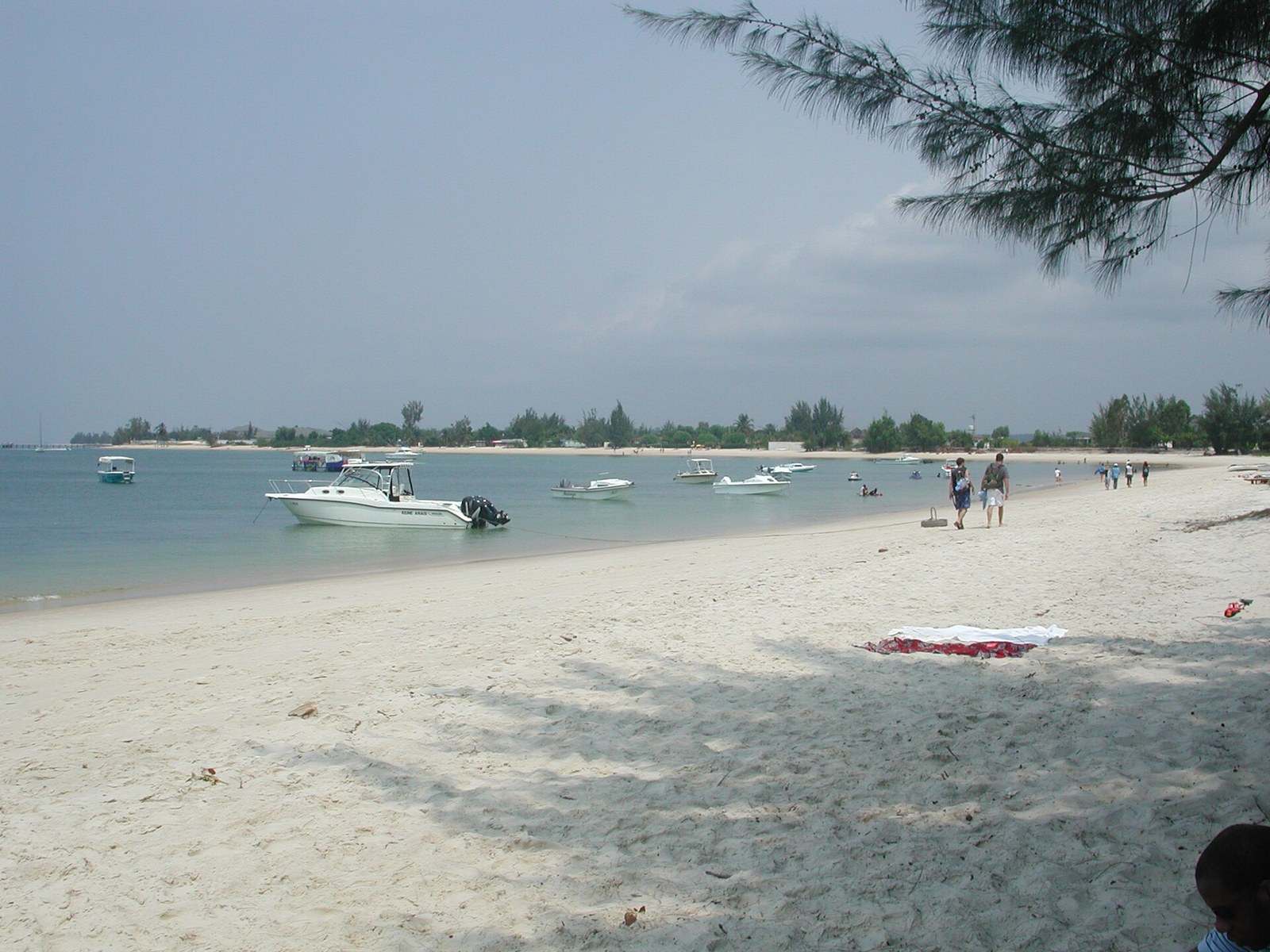
The city beaches around La Sablière and, further north, **Cap Estérias** are where locals go at weekends. Cap Estérias, about an hour north, has rocky coves, seafood shacks and calm afternoons. Many visitors also take the boat across the estuary to Pointe-Denis for a night or two. Ask locally before swimming, as currents can be strong.
Food and drink
Libreville eats well. Try **poisson braisé**, fish grilled over coals, **poulet nyembwe** cooked in palm nut sauce, **feuilles de manioc** and smoked fish with **bâton de manioc**. Small maquis and roadside grills are the authentic, budget way to eat; the seafront and Quartier Louis have more polished restaurants with French and Lebanese influences. Régab is the local beer.
Where to stay
The main international and business hotels sit along the seafront and in the north towards the airport, which is convenient for arrivals and early departures. Smaller guesthouses are spread across the city. Libreville hotels are expensive by regional standards, so book ahead and compare carefully.
Staying safe and getting around
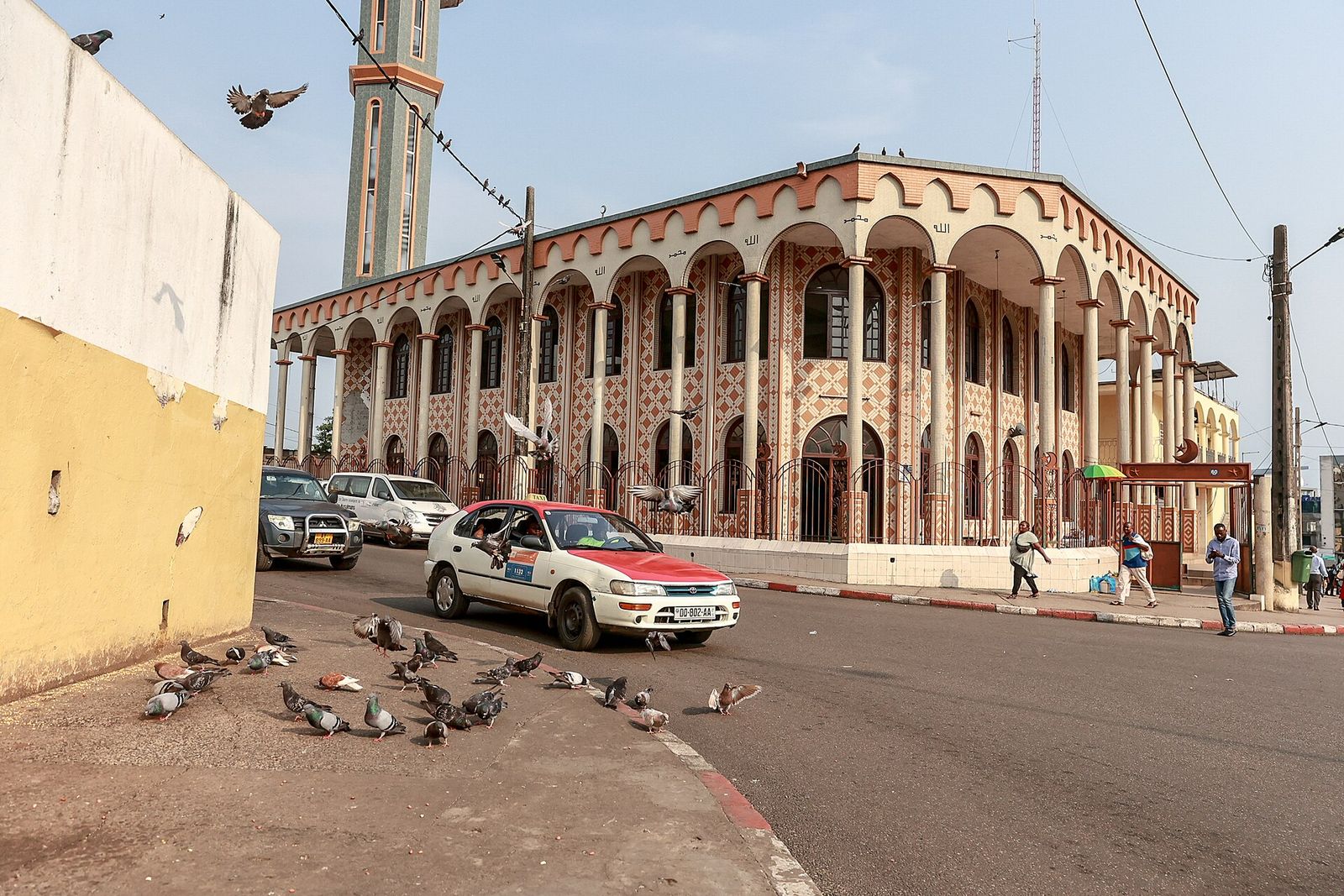
Libreville is calmer than many capitals, but bag snatching and phone theft do happen, especially at night and around busy markets. Use taxis after dark, agree the fare before you get in, and avoid walking alone on empty beaches or the seafront late at night. Avoid demonstrations. Shared taxis are cheap and everywhere; a private taxi for a few hours is easy to arrange through your hotel.
Plan the rest of your trip with our free trip planner, and find more ideas on the places to visit list.
Questions about Libreville
How many days should I spend in Libreville?
Two or three nights is enough for the museum, a market, the seafront and a beach afternoon. Many visitors also return for a final night before flying home.
Is Libreville safe to walk around?
In the daytime, central areas and the seafront are generally fine with normal care. At night, use taxis and avoid quiet beaches and dark streets.
What is the best area to stay in Libreville?
The seafront and the northern districts near the airport are the most convenient for first-time visitors, with the widest choice of hotels and restaurants.
Can I visit a national park from Libreville?
Yes. Akanda National Park lies just north of the city and Pongara National Park is across the estuary, both reached on short boat trips with local operators.
Facts checked . Fees, schedules and entry rules change, so always confirm the latest with the official source.