At a glance
- Best for
- Châteaux, gardens, cycling and wine
- Airport
- Fly to Paris, then about an hour by TGV to Tours
- Time needed
- Two to four days
- Best season
- April to October
- Getting around
- Regional trains, château shuttles, bikes and tours
- Good to know
- Pick two or three châteaux a day, no more
Why go
Few places in the world pack so many castles into one valley. The Loire is also called the garden of France for its orchards, vegetable plots and formal gardens, and it produces crisp white wines like Vouvray and Sancerre. Flat roads and dedicated cycle paths make it one of the best places in Europe to explore by bike.
The great châteaux
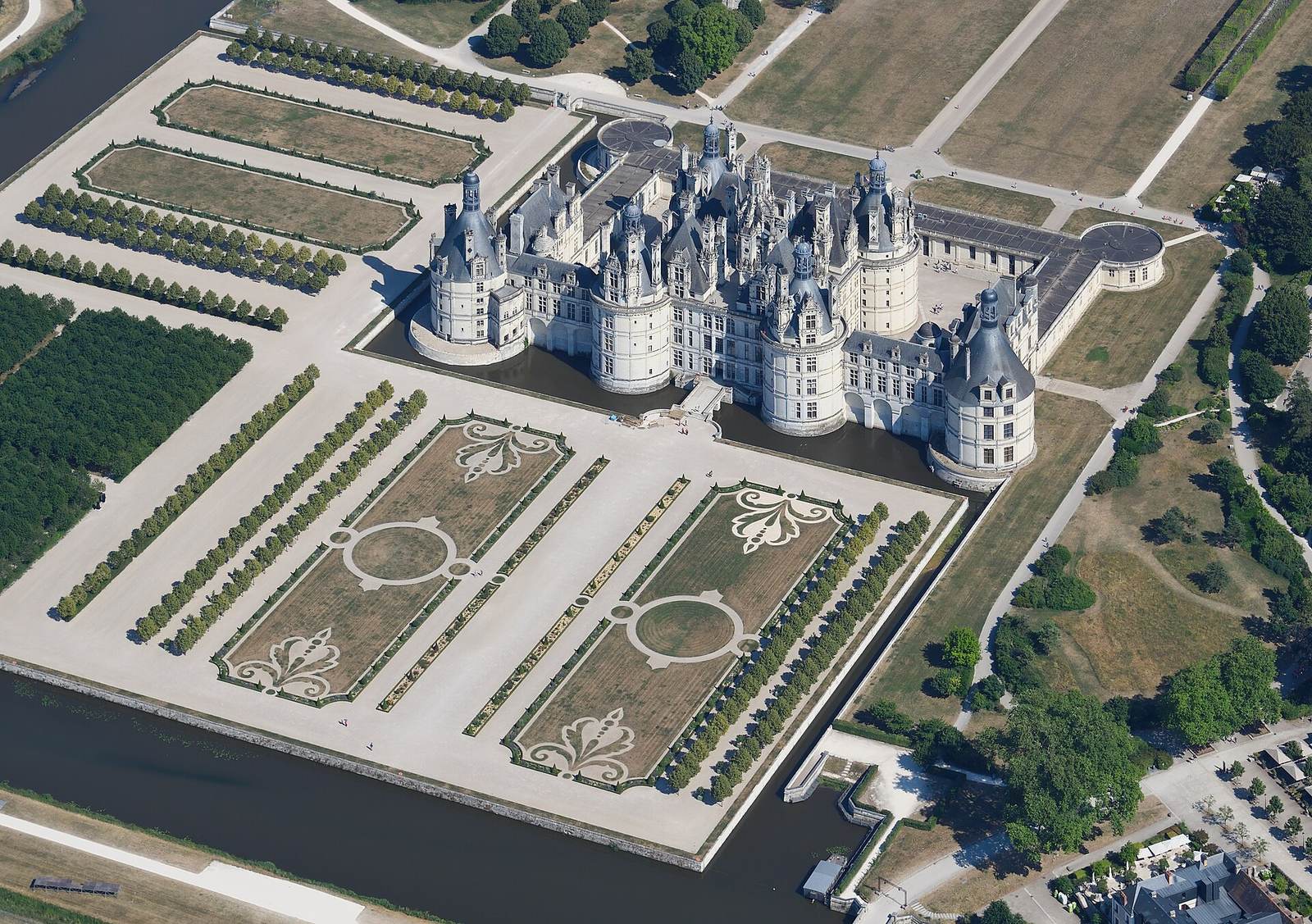
**Chenonceau** is the most graceful, spanning the river Cher on a row of arches, with gardens laid out by two rival women, Diane de Poitiers and Catherine de Medici. **Chambord** is the largest, a hunting palace with hundreds of chimneys and a double helix staircase often linked to Leonardo da Vinci. **Villandry** is famous for its Renaissance gardens, where vegetables are planted in decorative patterns. **Amboise** has a royal castle above the river where Leonardo is buried, and nearby **Clos Lucé** was his last home, with models of his inventions in the park. **Azay-le-Rideau** sits on an island reflected in its moat, while **Cheverny** inspired Hergé's Marlinspike Hall in Tintin and has a kennel of hunting hounds.
Towns to base yourself
**Tours** is the biggest town and the transport hub, with a lively old quarter around **Place Plumereau** full of half timbered houses and café terraces, and a covered market. **Amboise** is smaller and prettier, with several châteaux within easy reach. **Blois** has its own royal château with four wings from four eras and is the gateway to Chambord. **Saumur**, further west, is known for its sparkling wine, cavalry school and troglodyte caves.
Cycling the Loire
The **Loire à Vélo** route follows the river for hundreds of kilometres on signposted, mostly flat paths. Bike rental shops in Tours, Amboise and Blois offer drop off at other towns and luggage transfers, so you can ride from château to château for a few days. Electric bikes make longer days easy.
Wine and food
Visit the cellars carved into the limestone cliffs at **Vouvray** and **Montlouis**, or the caves around Saumur. The region's food is simple and excellent: **rillettes** (slow cooked pork spread), goat cheeses like **Sainte-Maure de Touraine**, river fish in beurre blanc and the upside down apple **tarte Tatin**, invented here.
Getting around
Regional trains link Tours, Amboise, Blois and Saumur, and in season shuttle buses run to several châteaux. Small group tours from Tours or Amboise are an easy way to see two or three in a day. Chambord and Chenonceau are not on the main line, so check shuttle times before setting out.
When to go
April to October is the main season, when gardens are at their best and all châteaux are open. In summer some châteaux host light shows and evening events. Winter is quiet and some smaller sites shut or shorten hours.
Tips
Do not try to see too many castles in one day: two or three is plenty. Buy tickets on official château sites, especially for Chenonceau in summer. Bring a picnic, as gardens and riverbanks are perfect for lunch.
Questions about the Loire Valley
Which Loire châteaux should I see first?
Chenonceau, Chambord and Villandry are the classic trio. Add Amboise and Clos Lucé if you are interested in Leonardo da Vinci.
Can I visit the Loire Valley as a day trip from Paris?
It is possible with a tour or early train, but two or three nights in Tours or Amboise is far more relaxing.
Is cycling the Loire hard?
No. The Loire à Vélo route is mostly flat and well signposted, and electric bikes are widely available to rent.
What is the best town to stay in for the Loire Valley?
Tours is best for train links and restaurants. Amboise is smaller and more charming, with several châteaux close by, and Blois is handy for Chambord and Cheverny.
Do I need to book château tickets ahead?
For Chenonceau and Chambord in summer, booking on the official sites saves time in queues. Smaller châteaux rarely sell out, but check opening days outside the main season.
Facts checked . Fees, schedules and entry rules change, so always confirm the latest with the official source.