At a glance
- Best for
- Museums, food, coffee, music and onward flights
- Time needed
- Two to three days
- Airport
- Bole International, close to the city centre
- Getting around
- Ride-hailing apps, taxis, the light rail and minibuses
- Altitude
- About 2,350 metres above sea level
- Best season
- October to March
Why the capital is worth your time
Many travellers rush through Addis on the way north, but the city is the best introduction to Ethiopia you could ask for. In a couple of days you can see three million years of human history, eat injera with a dozen kinds of wat, sit through a slow coffee ceremony and hear Ethio-jazz played live. It is big, busy and still being rebuilt, with new parks, wide boulevards and towers rising beside old tin-roofed neighbourhoods.
Museums and history
The National Museum of Ethiopia is home to Lucy, known in Amharic as Dinkinesh, a skeleton of an early human ancestor more than three million years old. The Ethnological Museum, set in Haile Selassie's former palace on the Addis Ababa University campus, is one of the best museums in Africa, telling the story of the country's many peoples. Holy Trinity Cathedral holds the tombs of Emperor Haile Selassie and Empress Menen, and the Red Terror Martyrs' Memorial Museum is a moving account of the Derg years.
The new parks
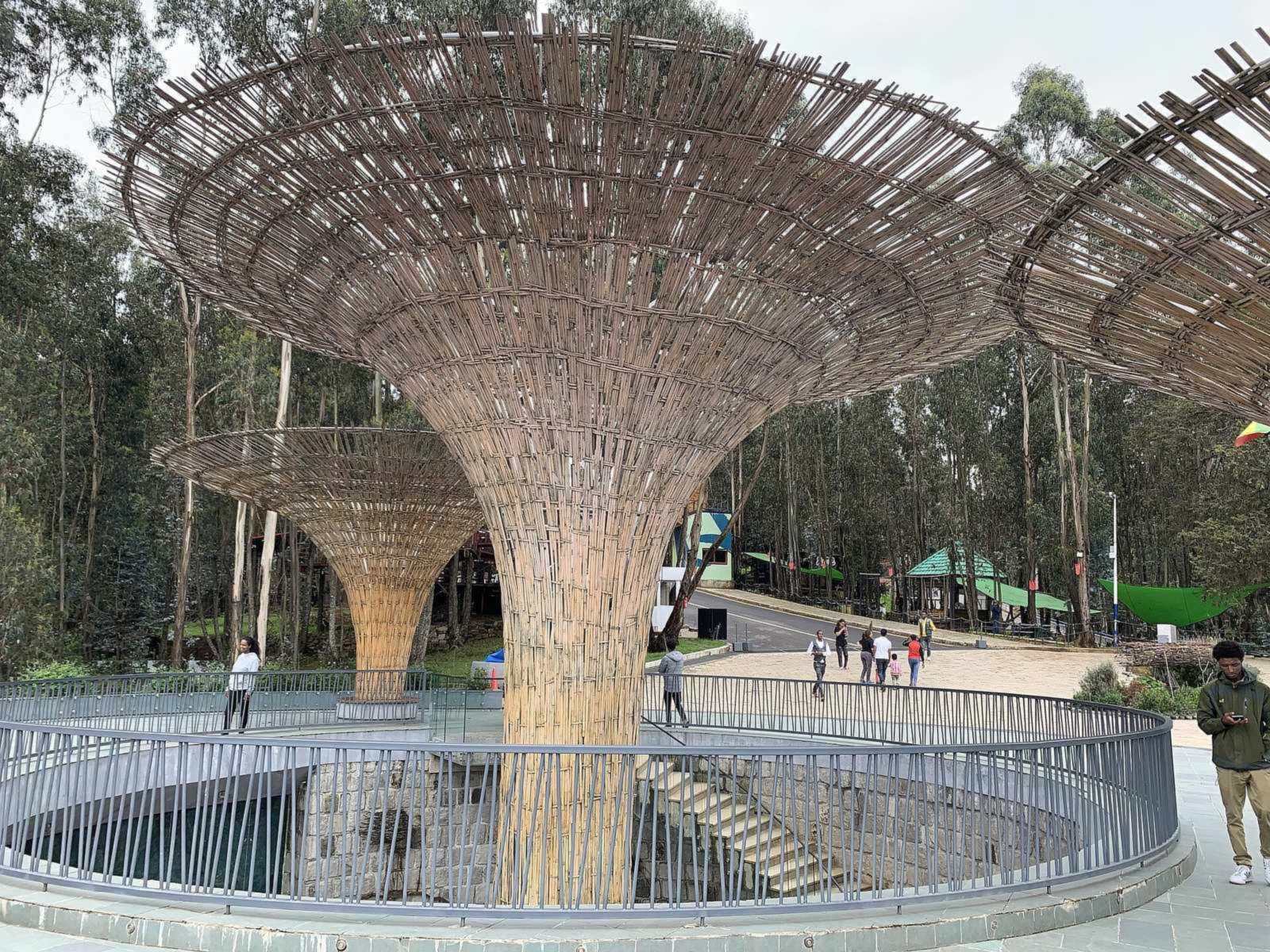
Unity Park, inside the grounds of the Grand Palace, opens rooms used by emperors and has a small zoo with black-maned lions. Entoto Park, on the forested hills north of the city, has walking trails, viewpoints and cafés, and is a good place to adjust to the altitude. Friendship Park and the Sheger riverside projects add green space in the centre.
Merkato and the markets
Merkato is often called the largest open-air market in Africa: a maze of lanes selling spices, coffee, baskets, recycled goods and everything in between. Go with a local guide or a friend, carry little and keep your phone out of sight, as pickpockets work the crowds. For a gentler shopping trip, the Shiro Meda market on the road to Entoto is full of handwoven cotton scarves and dresses.
Food, coffee and music
Addis has restaurants for every budget, from simple places serving shiro and tibs to cultural restaurants with dancers from every region. Try kitfo, Ethiopia's spiced minced beef, and on fasting days a beyaynetu platter of vegan stews. Coffee is everywhere, from historic roasters such as Tomoca to street stalls where women roast beans over charcoal. In the evening, Bole and Kazanchis have bars and clubs, and a handful of venues keep Ethio-jazz alive.
Where to stay
Bole, close to the airport, is the most convenient area for first-timers, with hotels, restaurants and nightlife. Kazanchis and the area around Meskel Square are central for business. Piassa, the old city centre, has character and history but is busier and rougher around the edges. There are international hotel brands, comfortable mid-range hotels and simple guesthouses.
Getting around
Ride-hailing apps such as Ride and Feres are the easiest way to get around and avoid haggling. Blue and white minibus taxis are cheap but crowded. The light rail runs east to west and north to south, though it is busy at peak times. Traffic is heavy, so allow plenty of time to reach the airport.
Altitude and safety
At about 2,350 metres, you may feel short of breath or tired at first. Take the first day slowly and drink plenty of water. Addis is generally calm for visitors, but bag snatching and pickpocketing happen, especially in Merkato, Piassa and around Meskel Square, so stay alert and use registered taxis or apps at night.
Questions about Addis Ababa
How many days do I need in Addis Ababa?
Two to three days covers the main museums, Merkato, Entoto and a good night of food and music. Add a day if you are recovering from a long flight.
Which area of Addis Ababa is best to stay in?
Bole is the most convenient for first-timers, with easy airport access and plenty of restaurants. Kazanchis is central and calmer for business trips.
Is Addis Ababa safe to walk around?
Central areas are generally fine by day with normal care. Watch for pickpockets in crowds and use a ride-hailing app or registered taxi after dark.
Can I see Lucy in Addis Ababa?
Yes, at the National Museum of Ethiopia. The original bones are kept safely, and the displays include a cast and other important fossils.
Facts checked . Fees, schedules and entry rules change, so always confirm the latest with the official source.