At a glance
- Best for
- Markets, hiking, local life and a cool climate
- Nearest airport
- King Mswati III International Airport
- Time needed
- One to two days
- Best season
- April to October for dry, clear days
- Languages
- siSwati and English
- Getting around
- Metered and shared taxis, minibus kombis and walking in the centre
Why visit Mbabane
Most visitors pass through Mbabane on the way from the Oshoek border post to the Ezulwini Valley, but the city rewards a day of your time. It sits at around 1,200 metres in the Dlangeni hills, so summer is mild and winter mornings are crisp. You get a real sense of everyday Swazi life here: civil servants in suits, students heading to class, traders selling avocados and roasted mealies on the pavements and kombis honking for passengers.
The name comes from Chief Mbabane Kunene, who lived here when the British set up their administrative post in the early twentieth century. Mbabane has been the seat of government ever since, while the royal and legislative capital sits a short drive away at Lobamba in the Ezulwini Valley.
Things to do in Mbabane
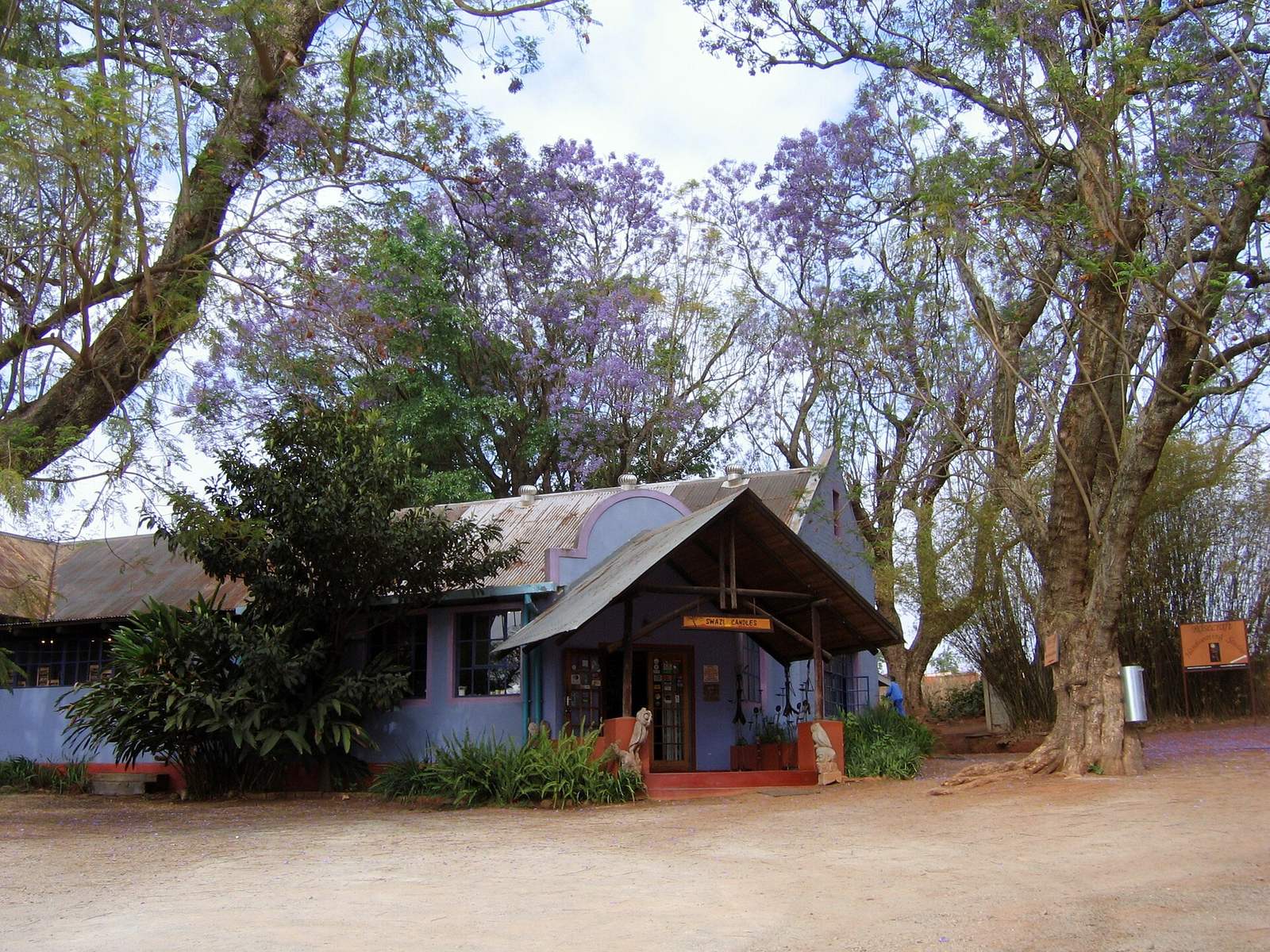
Start at **Mbabane Market**, at the bottom of Msunduza Street, where stalls sell fresh produce, woven grass baskets, soapstone carvings, sisal bags and printed emahiya cloth. It is a good place to buy crafts directly from the makers and to try a plate of local food from the stalls nearby.
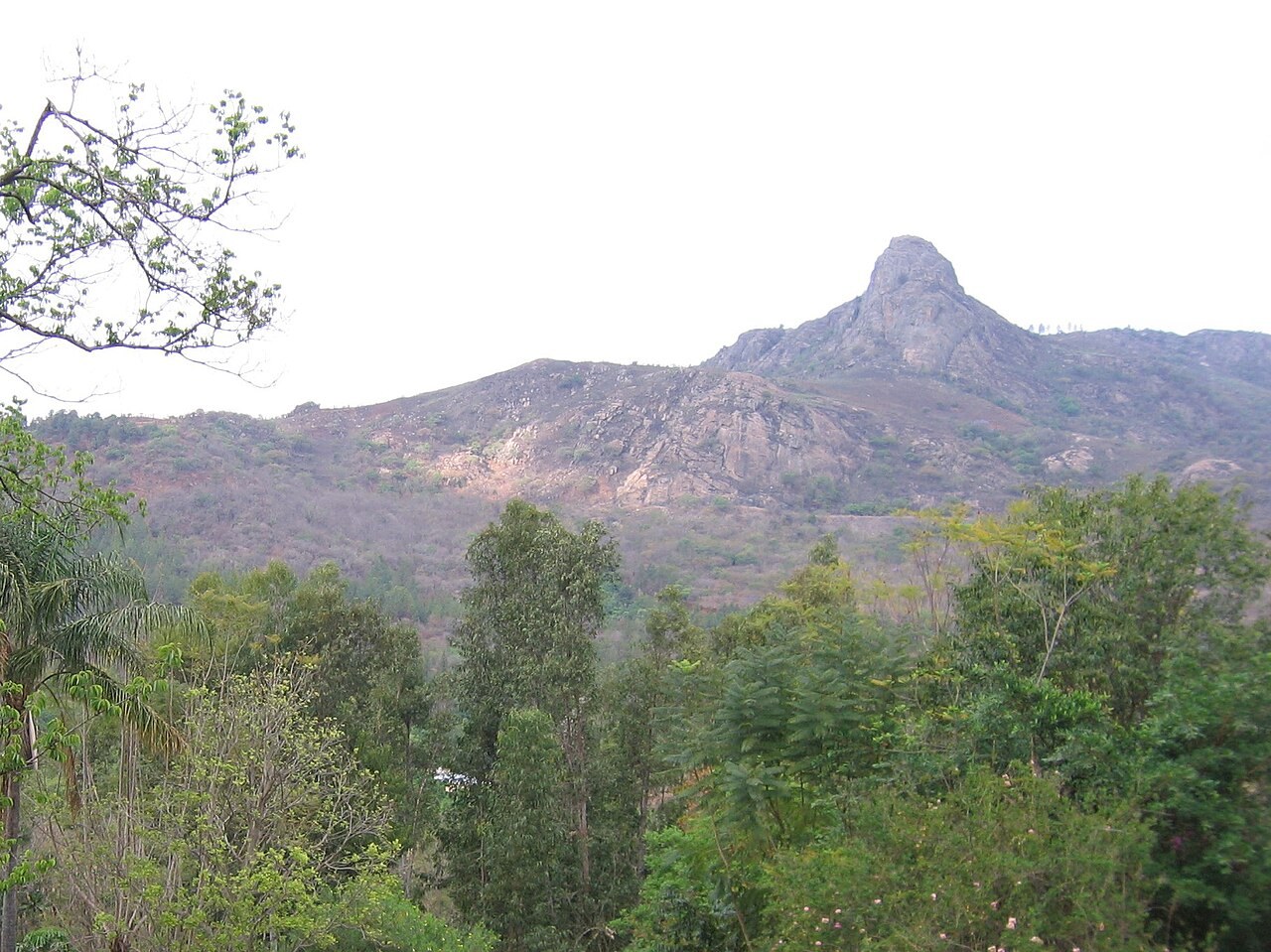
Just northeast of town, **Sibebe Rock** is one of the largest exposed granite domes in the world. Guided walks lead up its smooth flanks to wide views over the hills, and the annual Sibebe Survivor charity hike brings thousands of walkers to its slopes. Go with a local guide from the community trail office rather than alone.
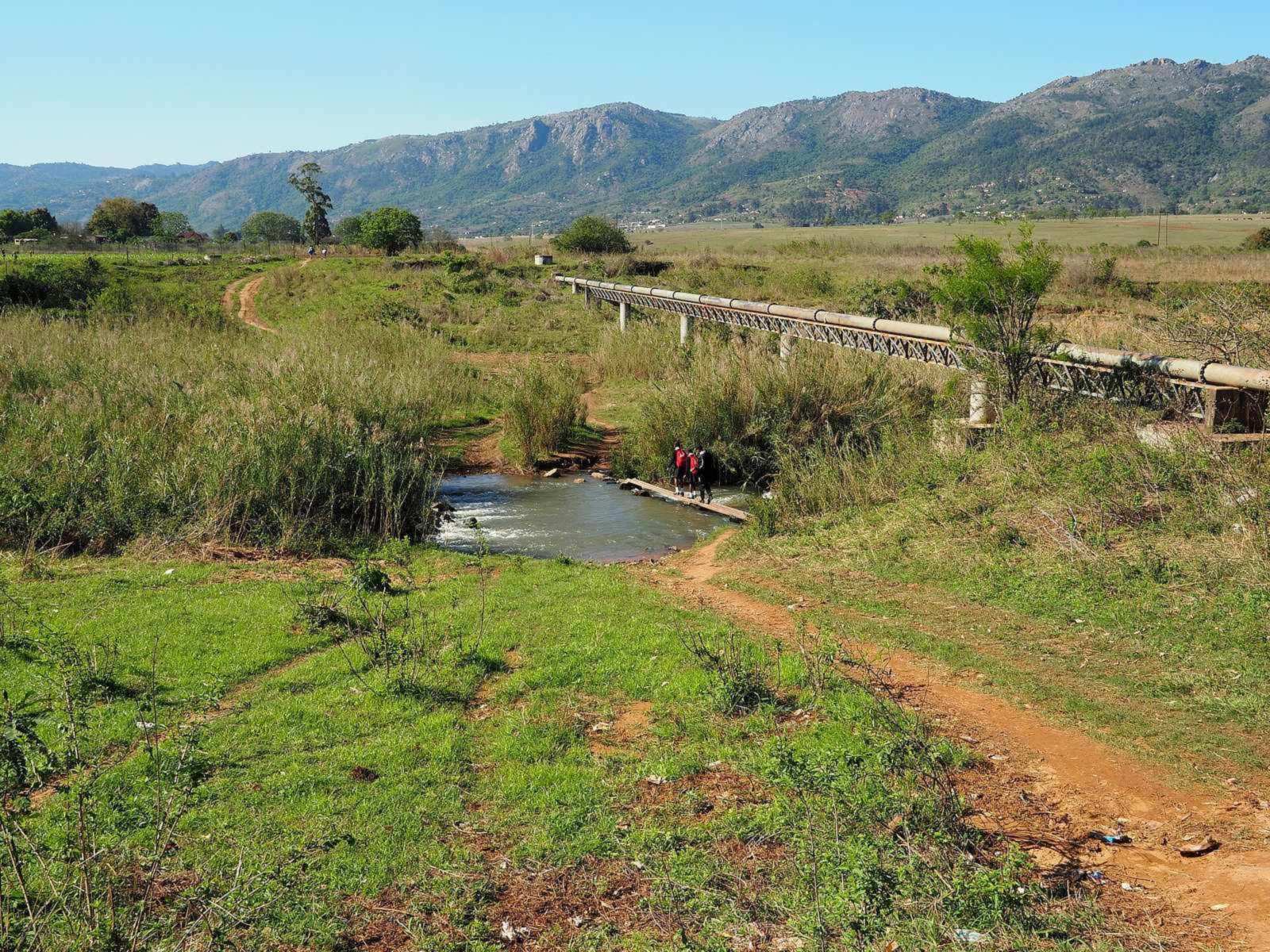
**Pine Valley**, a short drive north of the centre, follows the Mbuluzi River through farmland and forest, with quiet roads for cycling and walking and a couple of small lodges. It feels a world away from the city.
For shopping and coffee, **The Mall** and **Swazi Plaza** in the centre have supermarkets, banks, pharmacies, bookshops and cafés. They are also the easiest places to draw cash and buy a local SIM card.
If you have a car, the drive west to **Ngwenya Glass** and the ancient Ngwenya iron ore mine takes about half an hour, and the gates of Malolotja Nature Reserve are just beyond.
Where to stay in Mbabane
Mbabane has a handful of comfortable hotels and guesthouses aimed at business travellers, such as the long-running Mountain Inn on the road down to Ezulwini, with views over the valley. Brackenhill Lodge offers a quieter setting in the hills above town. Many leisure travellers prefer to stay in the Ezulwini or Malkerns valleys, which are only fifteen to thirty minutes away and have more resorts, lodges and restaurants.
Where to eat
The malls have familiar South African chain restaurants, but look further for local food. Try sishwala, a stiff porridge served with meat or beans, slow cooked beef stew, and emasi, soured milk. Ramblas has long been one of the city's favourite places for a relaxed dinner, and the market stalls serve good, filling plates at low cost. Weekends bring braai spots where friends gather around grilled meat.
Getting around
The centre is walkable by day, though it is hilly. Metered taxis and shared kombis link the city to Ezulwini, Manzini and the borders. Ask your hotel to call a trusted taxi in the evening rather than flagging one on the street. Roads are steep and winding, with fog common on the Malagwane Hill between Mbabane and the valley, so drive slowly if you are on the road after dark or in mist.
Safety tips
Mbabane is calm by regional standards, but bag snatching and pickpocketing happen, especially around the bus rank and market. Keep your phone out of sight on busy streets, avoid walking alone after dark and use registered taxis at night. Political demonstrations have taken place in Mbabane in recent years, so check the news and your government's travel advice, and stay well away from any protests.
How long to stay
One full day covers the market, the malls and a hike up Sibebe. Most people then move on to the valleys, using Mbabane as a gateway rather than a base.
Questions about Mbabane
Is Mbabane the capital of Eswatini?
Mbabane is the administrative capital, where government ministries sit. Lobamba, in the Ezulwini Valley, is the royal and legislative capital, home to parliament and the royal village.
Is Mbabane worth visiting?
Yes, for a day. The market, Sibebe Rock and the cool hills give a real feel for everyday life, though most travellers base themselves in the nearby valleys.
How far is Mbabane from the Oshoek border?
About twenty to thirty minutes by road. Oshoek, called Ngwenya on the Eswatini side, is the main crossing from Johannesburg and Mpumalanga.
Is Mbabane safe at night?
Take care after dark. Use a taxi your hotel or restaurant calls for you, avoid quiet streets and the bus rank at night, and keep valuables out of sight.
Facts checked . Fees, schedules and entry rules change, so always confirm the latest with the official source.