At a glance
- Best for
- Hiking, birding, wildflowers and adventure
- Nearest airport
- King Mswati III International Airport
- Time needed
- One to three days
- Best season
- April to October for dry hiking; spring for wildflowers
- Main sights
- Malolotja Falls, the canopy tour, Ngwenya mine and glass
- Getting around
- Self drive, then on foot inside the reserve
Why visit Malolotja
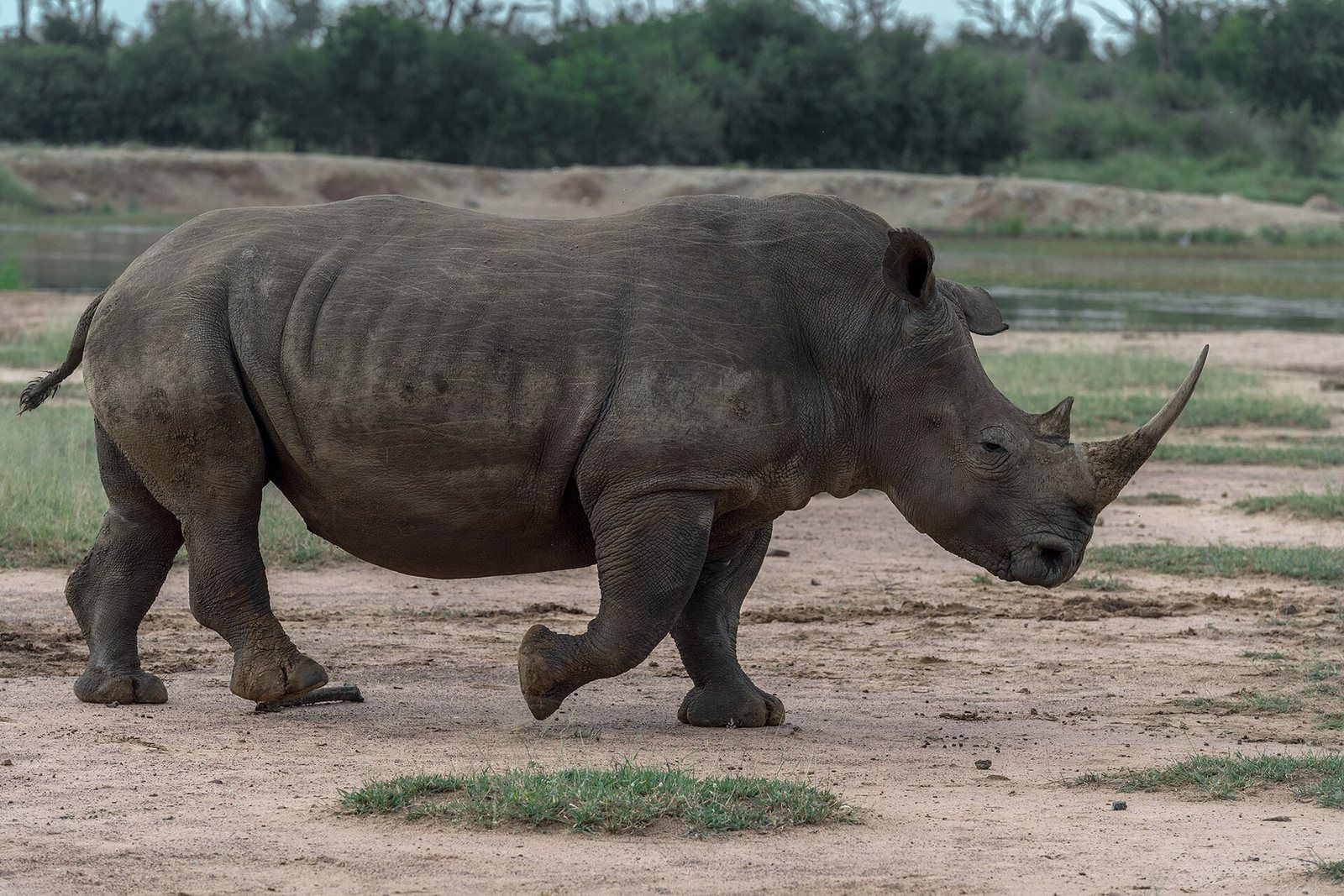
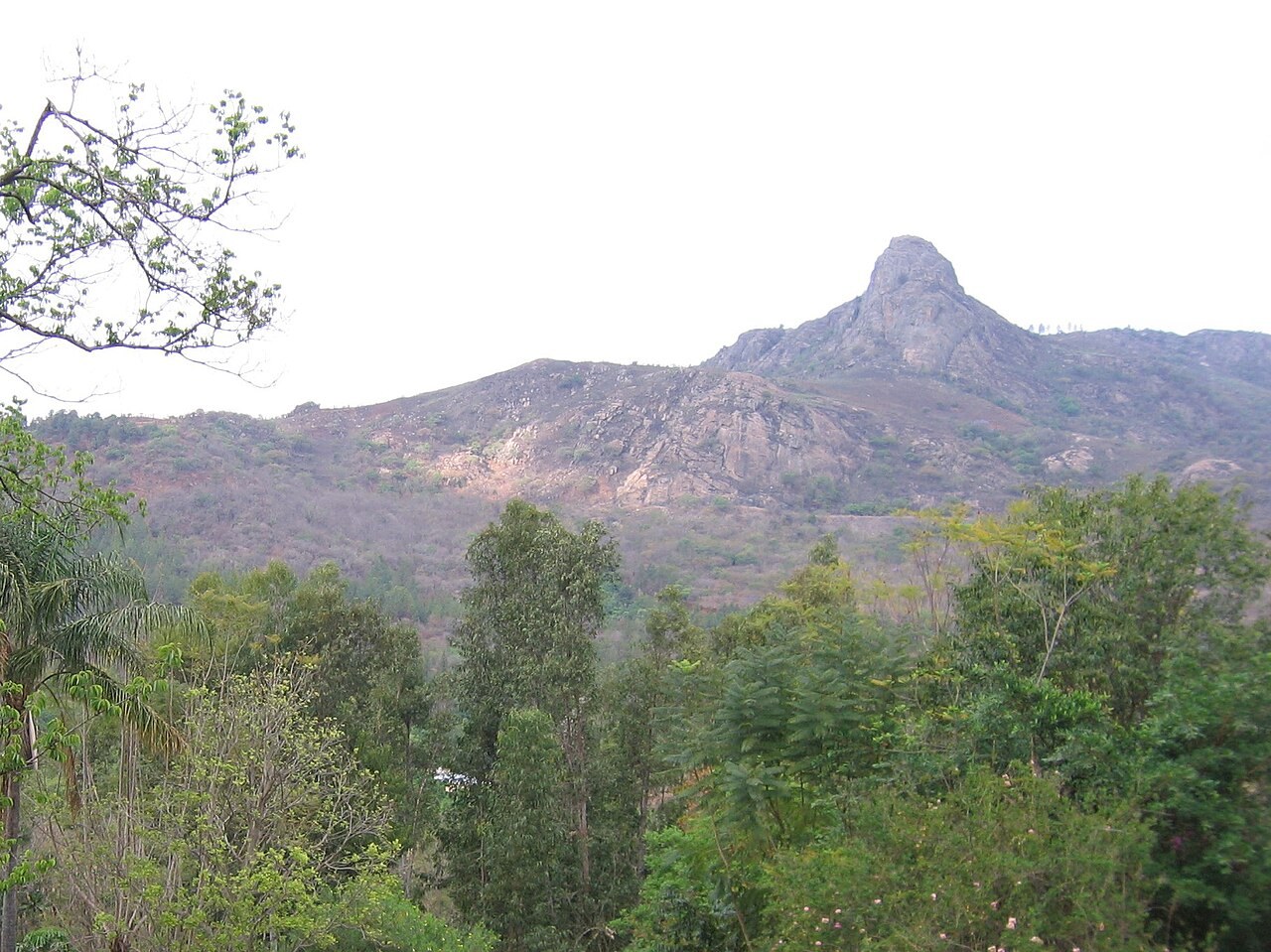
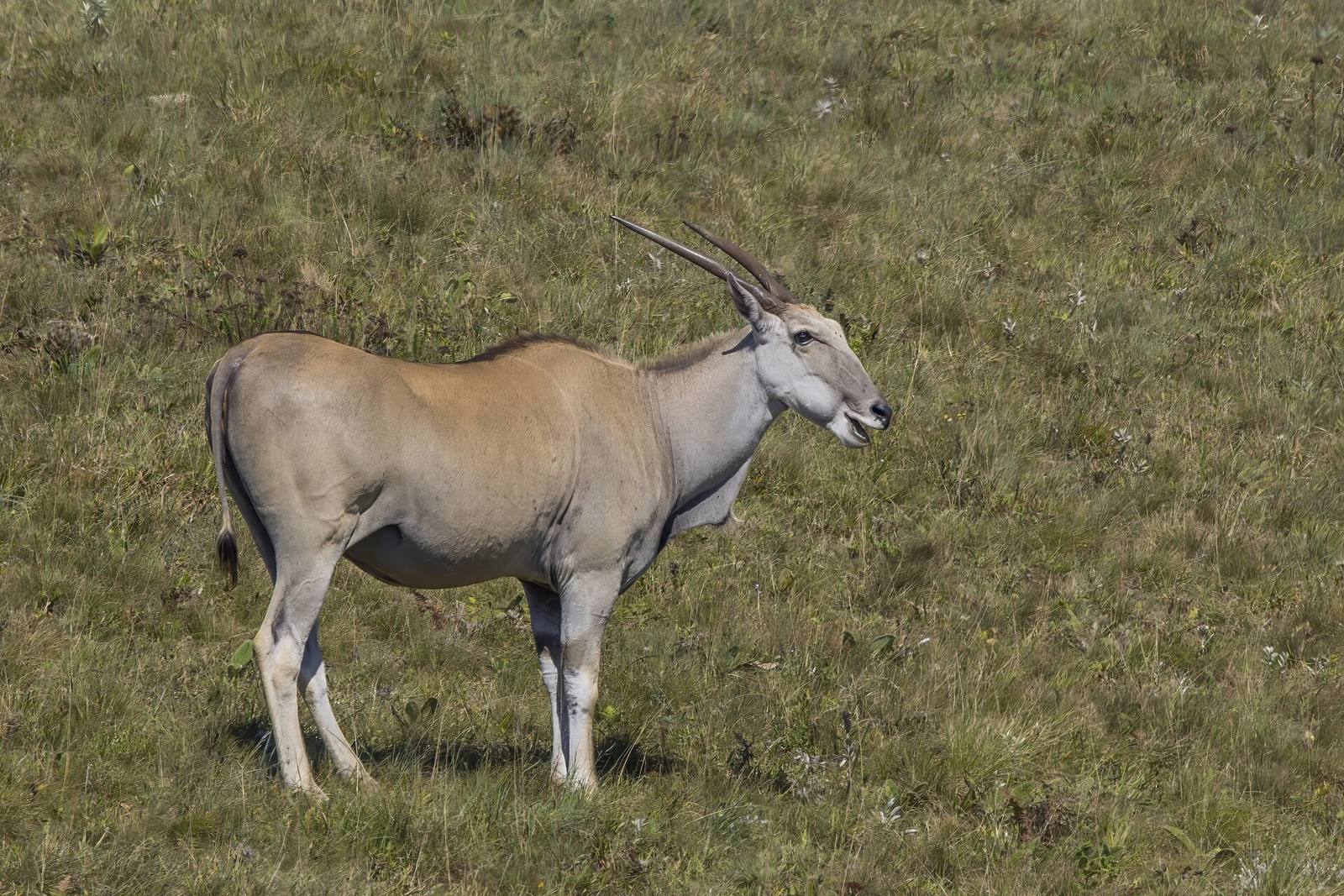
Malolotja feels nothing like the bushveld images most people have of Africa. Here rolling grassland rises to some of Eswatini's highest peaks, mist drifts through the valleys and rivers drop over cliffs into forested ravines. Zebra, blesbok, black wildebeest and eland graze the plateaus, and the reserve is famous among birders for the southern bald ibis and blue swallow. In spring, the grasslands burst with wildflowers and cycads. For hikers and nature lovers, it is the highlight of the country.
The reserve is managed by the Eswatini National Trust Commission, which also looks after Mantenga, Mlawula and the National Museum.
Hiking in Malolotja
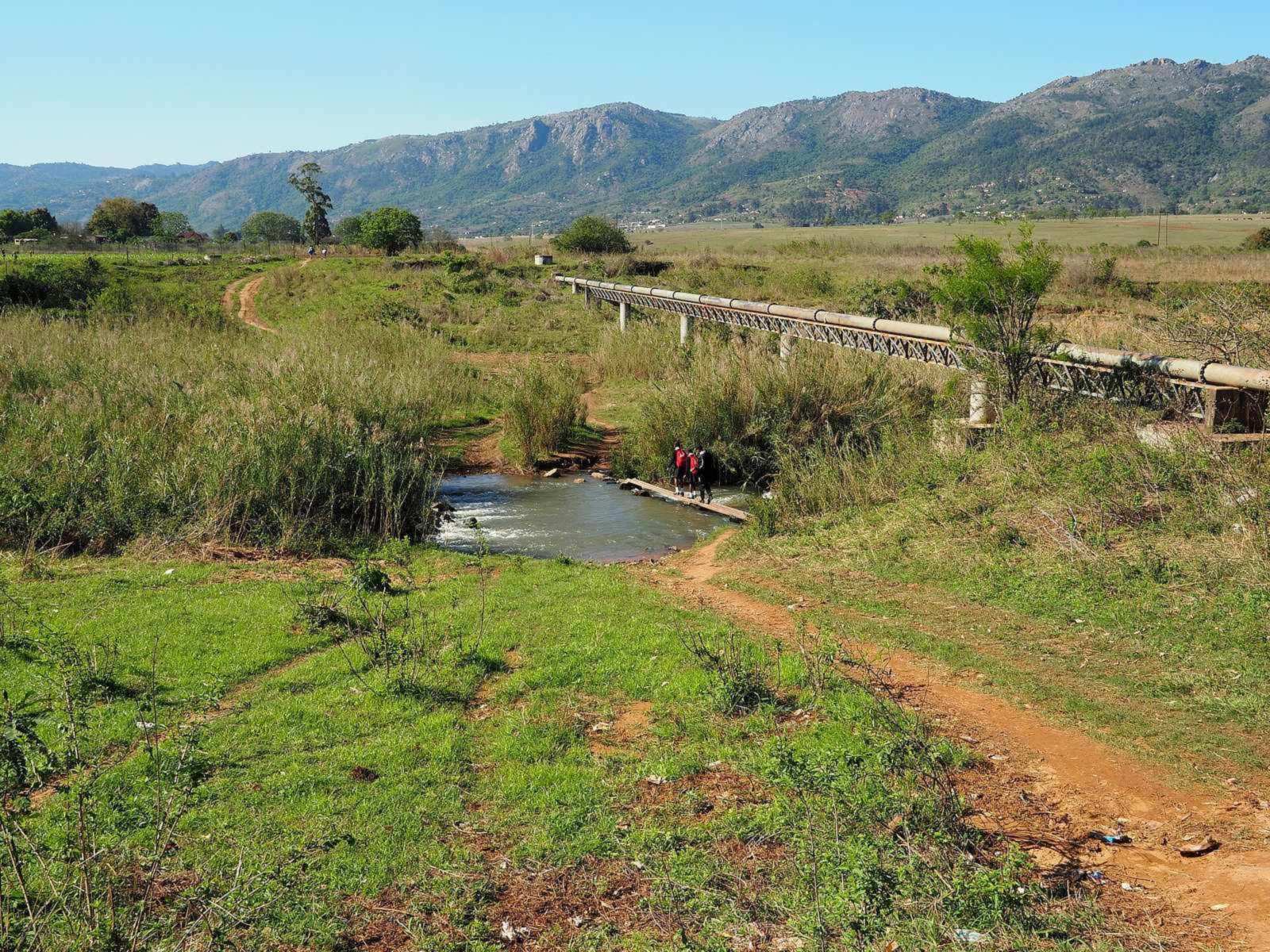
More than 200 kilometres of trails cross the reserve, from short walks near the main camp to serious multi day routes with wilderness campsites. The classic day hike leads to **Malolotja Falls**, the highest in the country, which plunges down a cliff into the valley below. It is a steep route, so start early and carry water. Shorter options follow ridges with views across the Komati valley toward South Africa. Register at reception before you set out, carry a map and warm layers, and be ready for sudden mist and storms, especially in summer afternoons.
The Malolotja Canopy Tour
For a thrill without a long hike, the **canopy tour** runs a series of cables and platforms across the Majolomba gorge, letting you glide over the forest with guides at each stage. It suits most reasonably fit adults and older children and is one of the most popular adventures in the country. Book ahead, especially at weekends and in school holidays.
Ngwenya mine and Ngwenya Glass
Near the reserve's southern edge, the **Ngwenya iron ore mine** includes Lion Cavern, where people mined red ochre and specularite tens of thousands of years ago. It is considered one of the oldest known mines on earth, and guided visits explain its story. A few minutes away, **Ngwenya Glass** turns recycled bottles into hand blown animals, glasses and bowls. You can watch the glassblowers from a gallery above the furnaces, then shop and have coffee at the craft centre next door, where other studios sell candles, weaving and gifts.
Beyond Malolotja: the far north
North of the reserve, the road winds through forestry country to Piggs Peak, Maguga Dam and the Phophonyane Falls, a lush private reserve with an ecolodge beside cascading water. Further on, the old asbestos mining village of Bulembu has been reborn as a community project with heritage buildings and cool mountain air. The Nsangwini rock art shelter, near Maguga, holds San paintings in a dramatic cliffside setting, reached on a guided walk.
Where to stay
The reserve has self catering log cabins and a campsite near the main gate, plus simple trail camps for multi day hikers. Hawane Resort, just south, offers comfortable chalets close to the reserve and Ngwenya. For more comfort and great food, stay at Phophonyane Falls Ecolodge near Piggs Peak and visit Malolotja on a day trip. Mbabane is about half an hour away, so a day trip from the capital or the Ezulwini Valley also works.
Getting there
The main gate is on the MR1 road between the Ngwenya junction and Piggs Peak, about thirty minutes from Mbabane and close to the Oshoek and Ngwenya border post with South Africa. Most internal roads are gravel; a normal car manages the main road to the camp in dry weather, but ask at the gate about conditions after rain.
What to bring
Good boots, a rain jacket and warm layers even in summer, sun protection and enough water for long hikes. Mobile signal is patchy away from the camp, so tell someone your route.
Questions about Malolotja Nature Reserve
Are there dangerous animals in Malolotja?
There are no lions or elephants, which is why hiking is allowed. Watch for snakes on warm days and keep a respectful distance from larger antelope and zebra.
Can I do the Malolotja canopy tour without booking?
It is better to book ahead, especially at weekends and in school holidays. Ask about age, weight and weather rules when you book.
How long is the hike to Malolotja Falls?
Plan a full day for the round trip. The trail is steep with a long climb back, so start early, carry water and register at reception.
Is Ngwenya Glass worth a stop?
Yes. Watching the glassblowers is fascinating, the recycled glass pieces make lovely gifts and the craft centre has a good café.
Facts checked . Fees, schedules and entry rules change, so always confirm the latest with the official source.