At a glance
- Best for
- Culture, gentle wildlife, cycling, families and festivals
- Nearest airport
- King Mswati III International Airport
- Time needed
- Two to three days
- Best season
- All year; late August to early September for Umhlanga
- Main sights
- Mlilwane, Mantenga, Lobamba and the National Museum
- Getting around
- Self drive, taxis and tours; cycling inside Mlilwane
Why visit the Ezulwini Valley
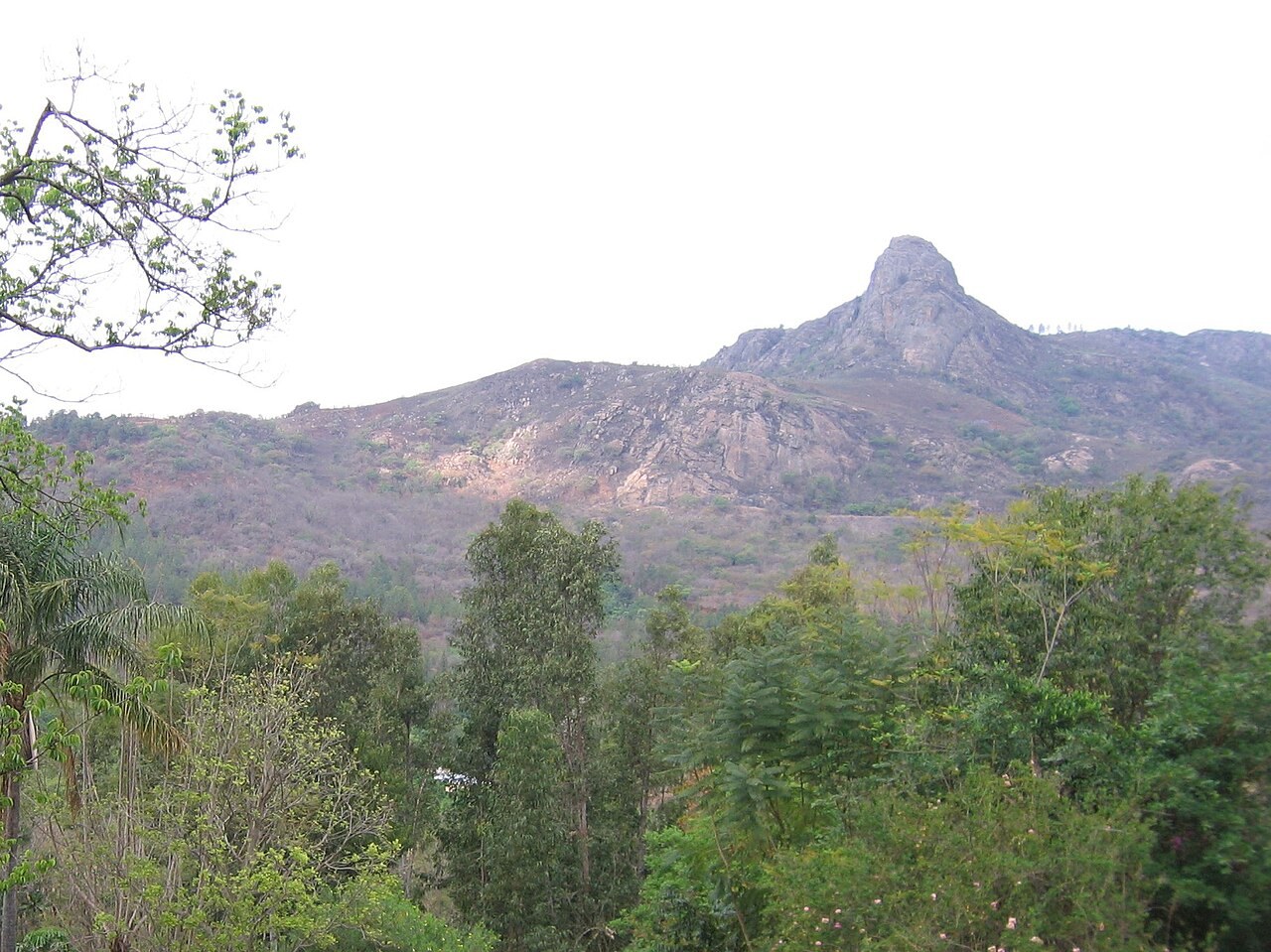
If you only have a short time in Eswatini, this is where to spend it. Everything is close: within twenty minutes you can be watching traditional dancing, walking among wildlife, swimming at a resort pool or browsing a roadside craft market. The valley floor is warm and green, framed by the Mdzimba mountains and the distinctive peak locals call Sheba's Breast.
Mlilwane Wildlife Sanctuary
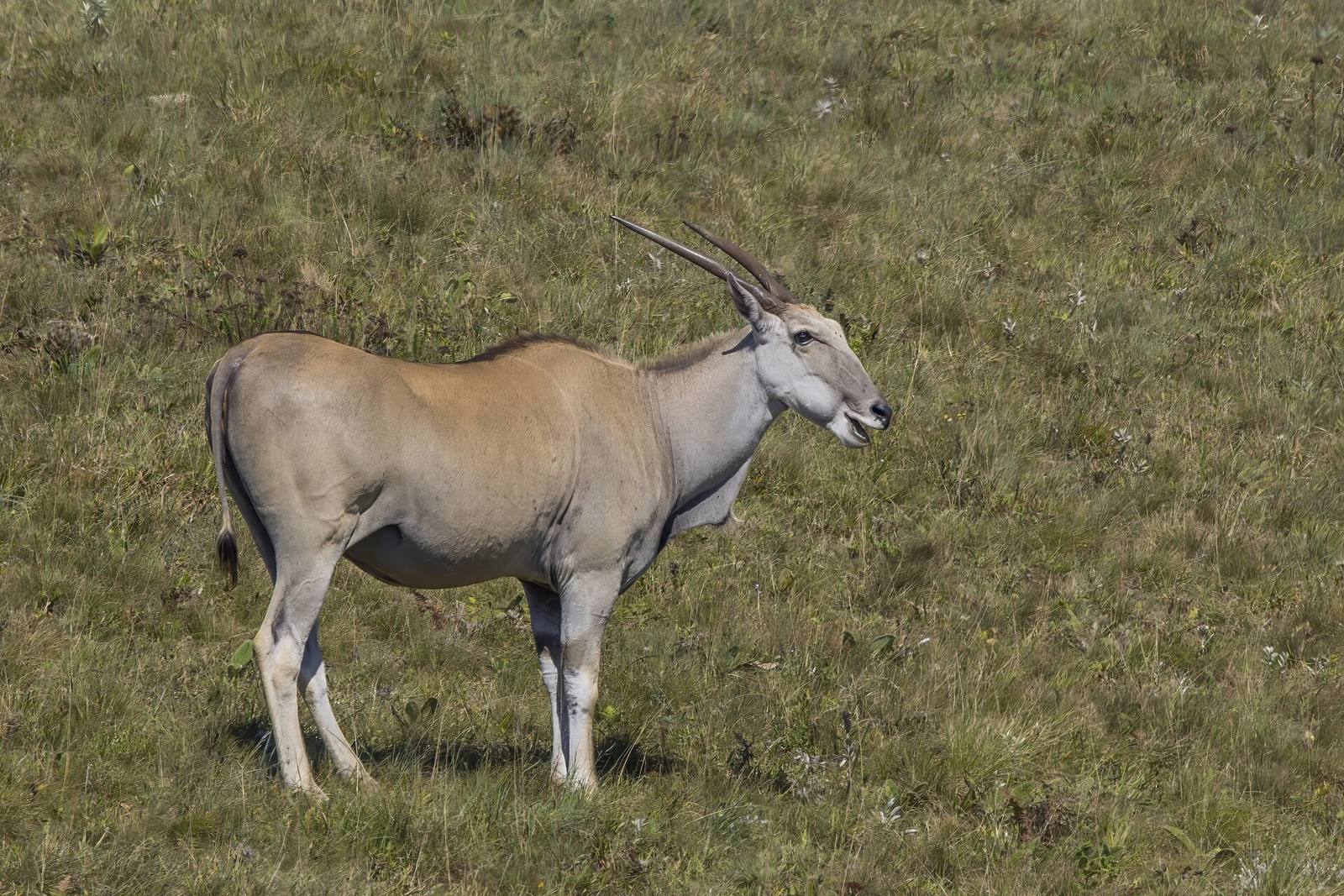
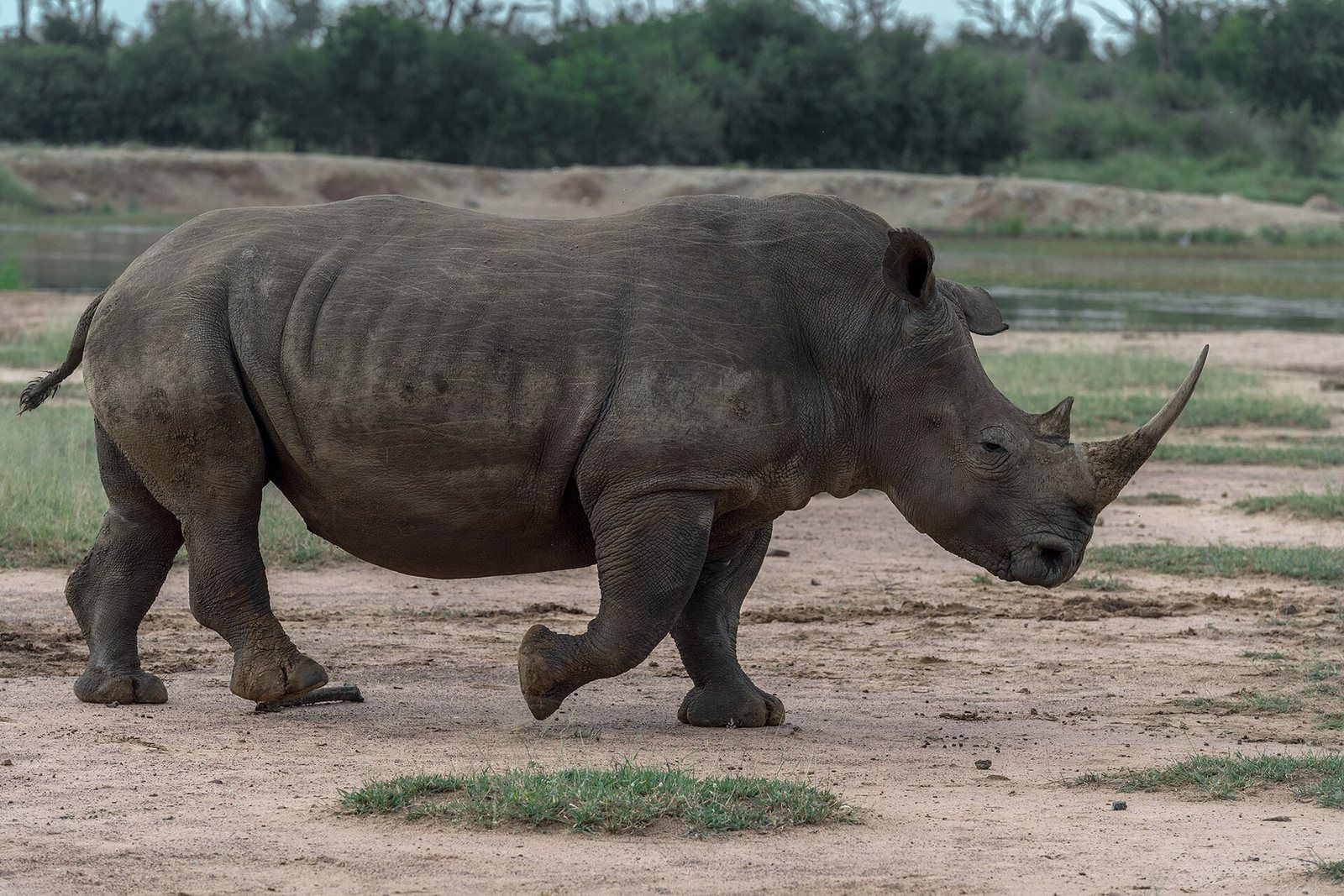
Mlilwane was Eswatini's first protected area, created by conservationist Ted Reilly on his family farm in the 1960s. There are no large predators, which means you can explore on foot, by mountain bike or on horseback among zebra, blue wildebeest, nyala, warthog and impala. Hippos and crocodiles live in the main dam, which you can watch from the Hippo Haunt restaurant at the rest camp. Hikers can climb Nyonyane, the rock face known as Execution Rock, for views across the valley. It is a wonderful first taste of African wildlife for children and nervous travellers alike. Book through Big Game Parks, which runs Mlilwane, Hlane and Mkhaya.
Mantenga Nature Reserve and Cultural Village
At Mantenga, a short trail leads to Mantenga Falls, which tumble over granite into a forested gorge. The reserve's cultural village recreates a traditional Swazi homestead of the 1850s, with beehive huts, cattle byres and guides who explain family life, customs and the roles of men and women. The highlight is the sibhaca dance performance, full of stamping, drumming and song. It is one of the best introductions to Swazi culture in the country.
Lobamba: the royal and legislative capital
Lobamba is the ceremonial heart of the kingdom. Here you will find the parliament building, the Somhlolo National Stadium, the King Sobhuza II Memorial Park and the National Museum, which tells the story of the Swazi nation through dress, weapons, photographs and recreated homesteads. The Ludzidzini royal residence nearby hosts the two great national ceremonies: Umhlanga, the Reed Dance, in late August or early September, and Incwala, the sacred kingship ceremony, around December and January. Visitors may watch parts of both, but photography rules are strict at some stages, so follow your guide's lead.
Adventure from the valley
Tour operators based near Mantenga run whitewater rafting on the Great Usutu River, abseiling and caving in the Gobholo cave system, known as Gilbert Reynolds Memorial Cave. Rafting is best in the wetter months, and caving is a genuinely adventurous half day, squeezing through narrow passages in the dark. Go only with an established operator.
Shopping and crafts
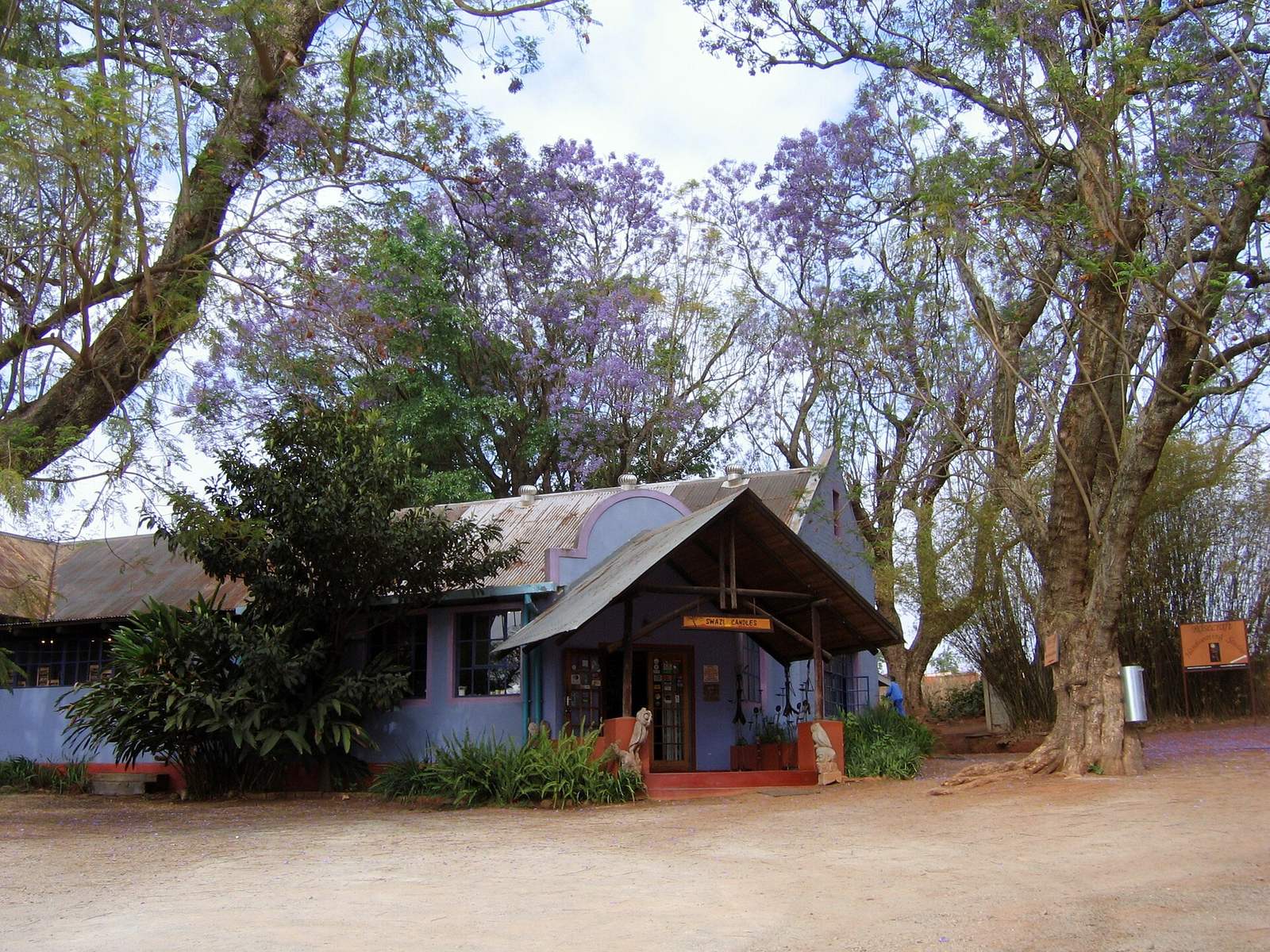
The Ezulwini craft market along the main road sells baskets, wooden bowls, soapstone carvings, beadwork and emahiya cloth, with room to bargain politely. The Gables shopping centre has a supermarket, cafés and banks.
Where to stay
The valley has the widest choice of stays in Eswatini. The Royal Swazi Spa and Lugogo Sun resorts sit beside a golf course and casino. Mantenga Lodge offers rooms in the forest near the falls. Inside Mlilwane, the rest camp has simple beehive huts and the hilltop Reilly's Rock lodge is a romantic colonial era house set in botanical gardens. Backpackers will find Sondzela, a long-loved hostel inside the sanctuary.
Getting around
The MR3 highway runs the length of the valley between Mbabane and Manzini. A car makes life easier, but taxis and tours cover all the main sights, and many lodges arrange transfers to Mantenga and Lobamba. Drive carefully on the highway at night, as pedestrians and animals cross without warning.
Questions about the Ezulwini Valley
Can I walk among wildlife at Mlilwane?
Yes. Mlilwane has no large predators, so walking, cycling and horse riding trails run among zebra, wildebeest and antelope. Keep your distance from hippos and crocodiles near the dams.
Can visitors watch the Reed Dance?
Yes, visitors can usually watch the main dancing days of Umhlanga at Ludzidzini near Lobamba. Dress modestly, follow photography instructions and confirm the year's dates with the tourism authority.
How far is the Ezulwini Valley from Mbabane?
About fifteen to twenty minutes by road down the Malagwane Hill. Manzini is around twenty five minutes in the other direction.
Is the Ezulwini Valley good for families?
Very. Mlilwane's walking trails, the Mantenga dance shows, resort pools and short distances make it one of the easiest family bases in southern Africa.
Facts checked . Fees, schedules and entry rules change, so always confirm the latest with the official source.