The capital
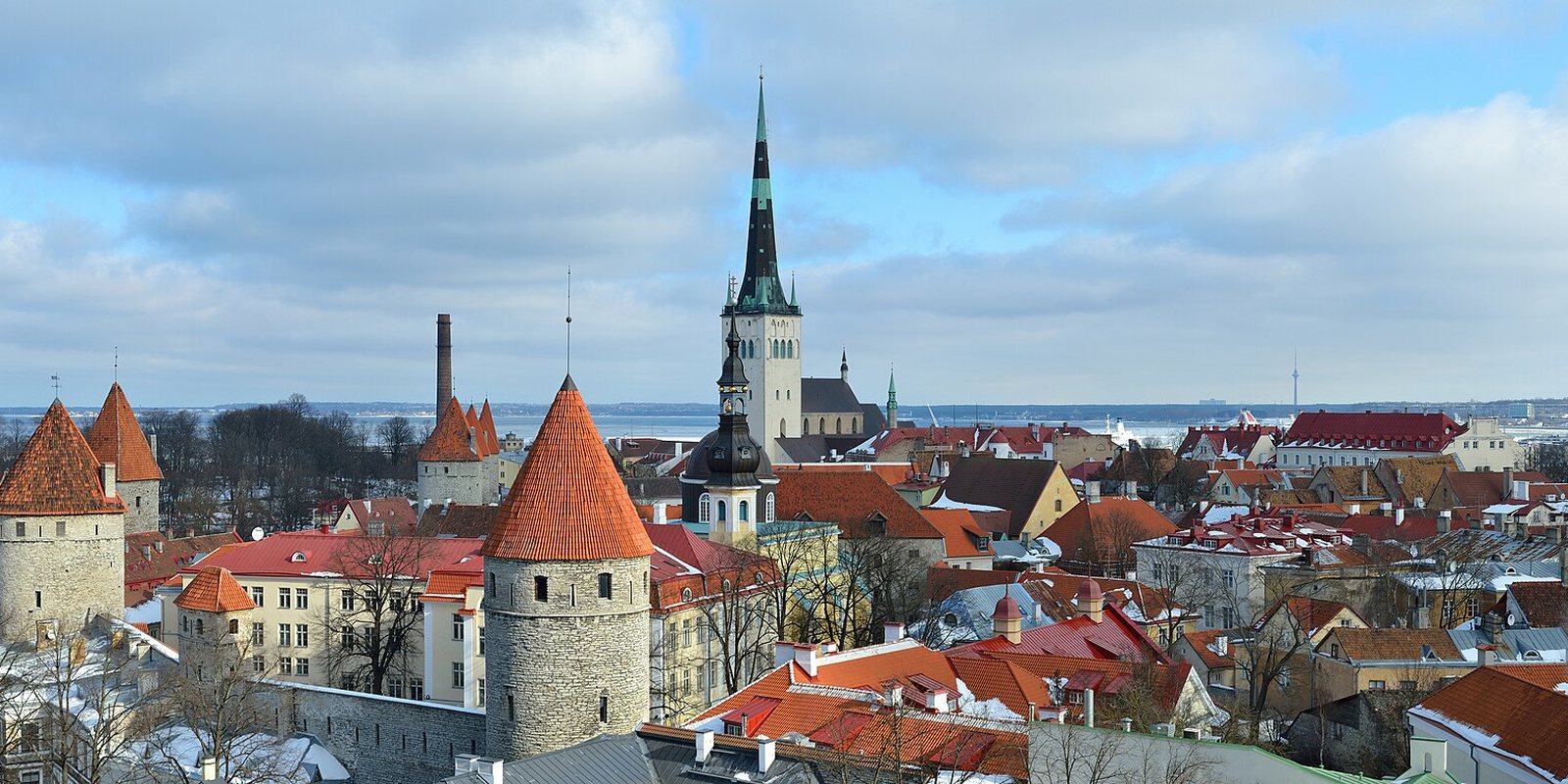
Almost every trip starts in Tallinn, one of the best preserved medieval towns in Europe, with cobbled lanes, merchant houses and towers inside its old walls. Beyond the walls are the creative former factory districts of Kalamaja and Telliskivi, the baroque palace and park at Kadriorg and a long seafront. Plan three nights here at least.
Forests, bogs and manors
An hour east of the capital, Lahemaa National Park is Estonia's oldest national park: pine forests, raised bogs crossed by boardwalks, giant boulders on the shore, fishing villages and restored manor houses at Palmse, Sagadi and Vihula. It works as a day trip, but a night in a manor or guesthouse lets you walk the bog at sunrise.
The south
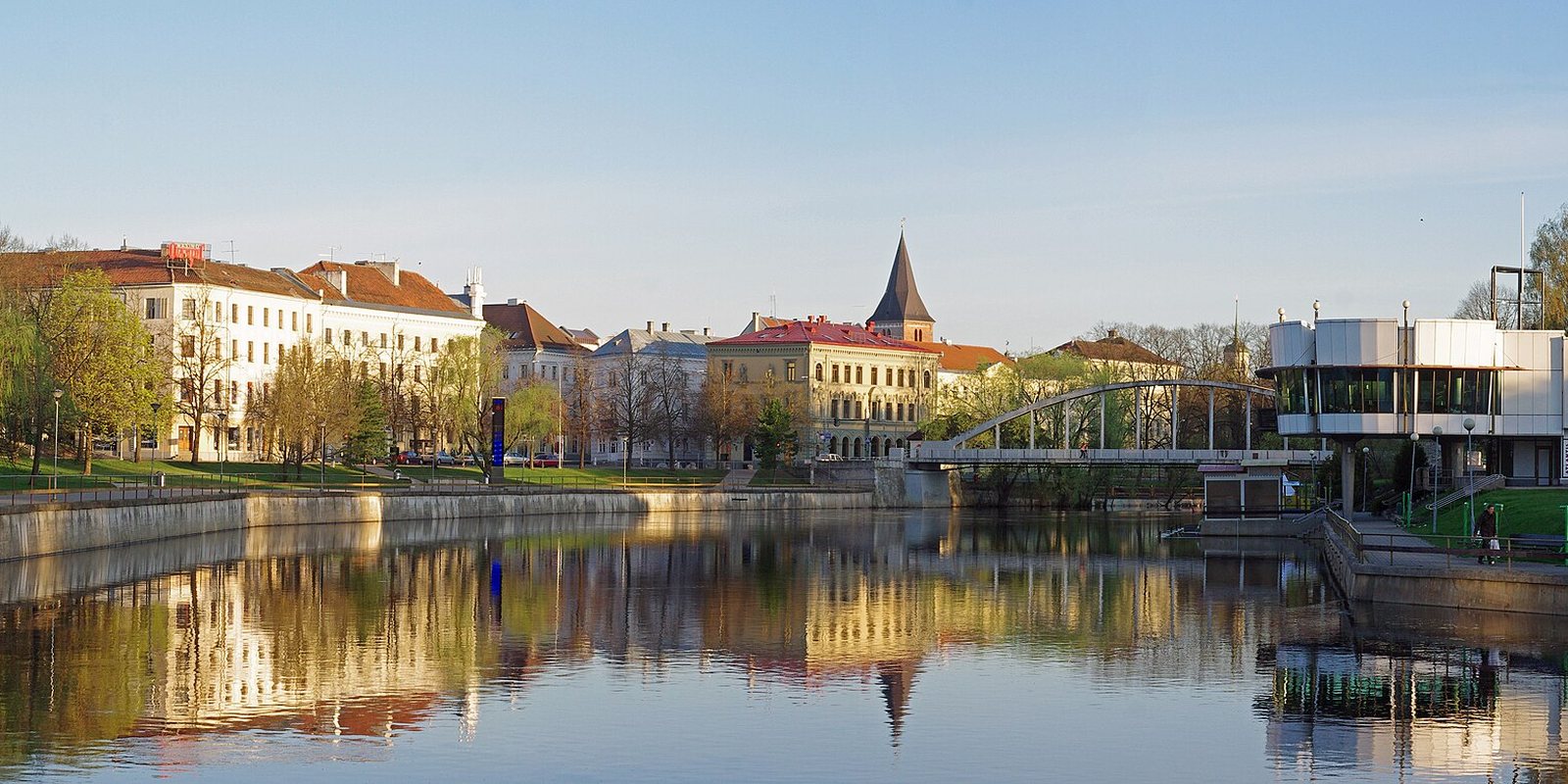
Two and a half hours south by train, Tartu is the country's second city and its intellectual heart, home to one of the oldest universities in northern Europe and the striking Estonian National Museum. It is young, relaxed and full of cafés, and it is the gateway to the hills, lakes and smoke saunas of Võrumaa and to Soomaa, the land of the fifth season floods.
The summer coast
Pärnu on the south west coast is Estonia's summer capital: a long sandy beach, a historic spa culture, wooden villas, festivals and a small old town. It is a natural stop between Tallinn, Tartu and the islands.
The islands
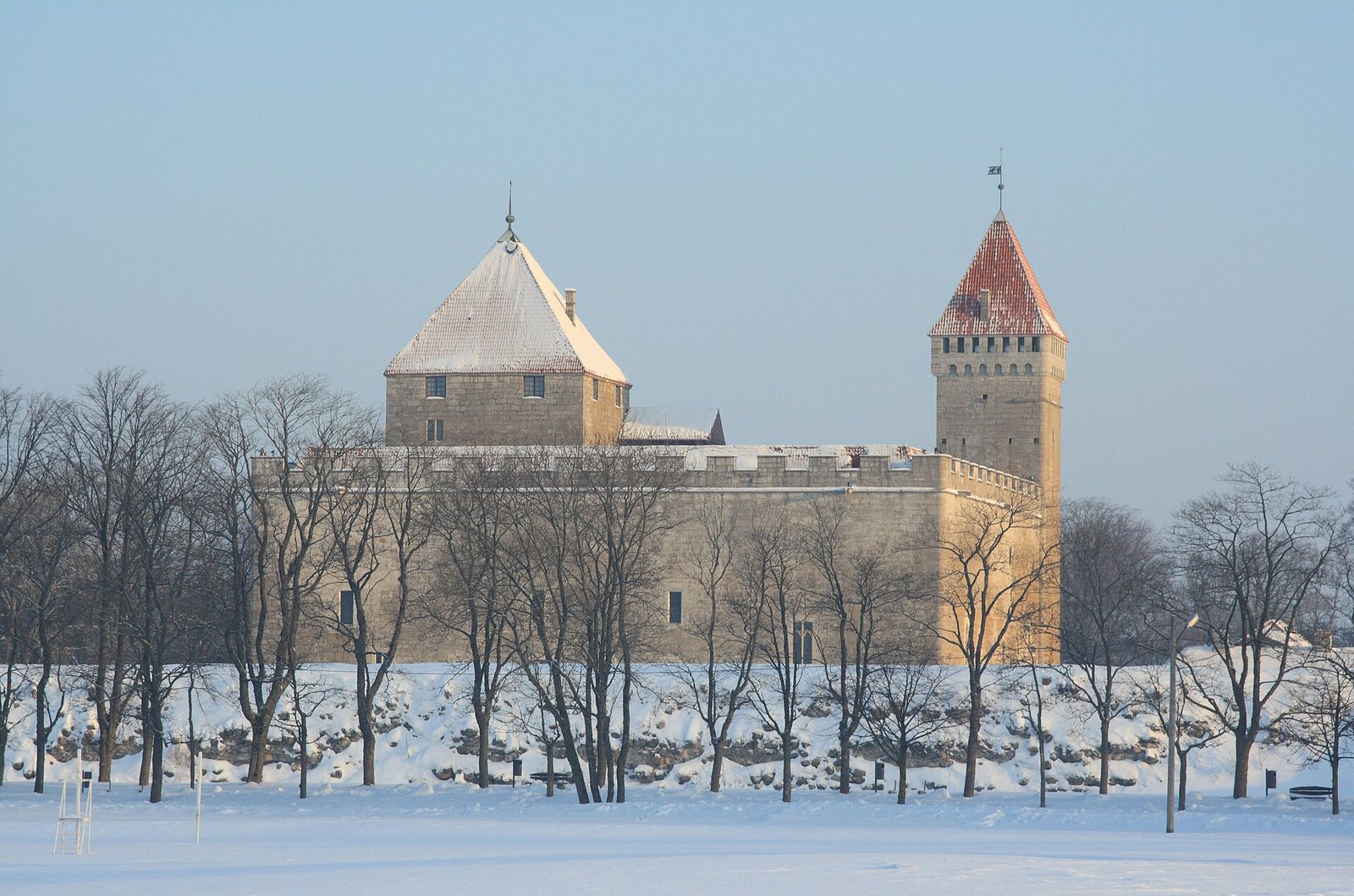
Off the west coast, Saaremaa is the largest island, reached by a short ferry over a narrow strait from the mainland. It is known for windmills, juniper meadows, stone walls, the meteorite crater at Kaali, cliffs at Panga and the bishop's castle in Kuressaare. Muhu, linked by causeway, and the smaller islands of Hiiumaa, Vormsi and Kihnu reward a slower trip.
How to combine them
For a first week, try three nights in Tallinn with a day in Lahemaa, two nights in Tartu, then Pärnu and two nights on Saaremaa before returning to Tallinn. With less time, Tallinn plus Lahemaa is a perfect long weekend. Use the free trip planner to shape a route around your dates.