At a glance
- Best for
- Museums, student life, cafés and southern day trips
- Airport
- Tartu Airport (TAY), with limited flights; most arrive via Tallinn
- Time needed
- Two days
- Best season
- May to September
- Getting around
- Walking, city buses and bike share
- Good base for
- Võrumaa, Lake Peipus and Soomaa
Why go
Tartu has a laid back, youthful mood and a surprising number of excellent museums for a city of its size. The national awakening of the nineteenth century began here, the first Estonian Song Festival was held here in 1869, and the city still feels like the place where Estonian identity is thought about most deeply.
Top things to do
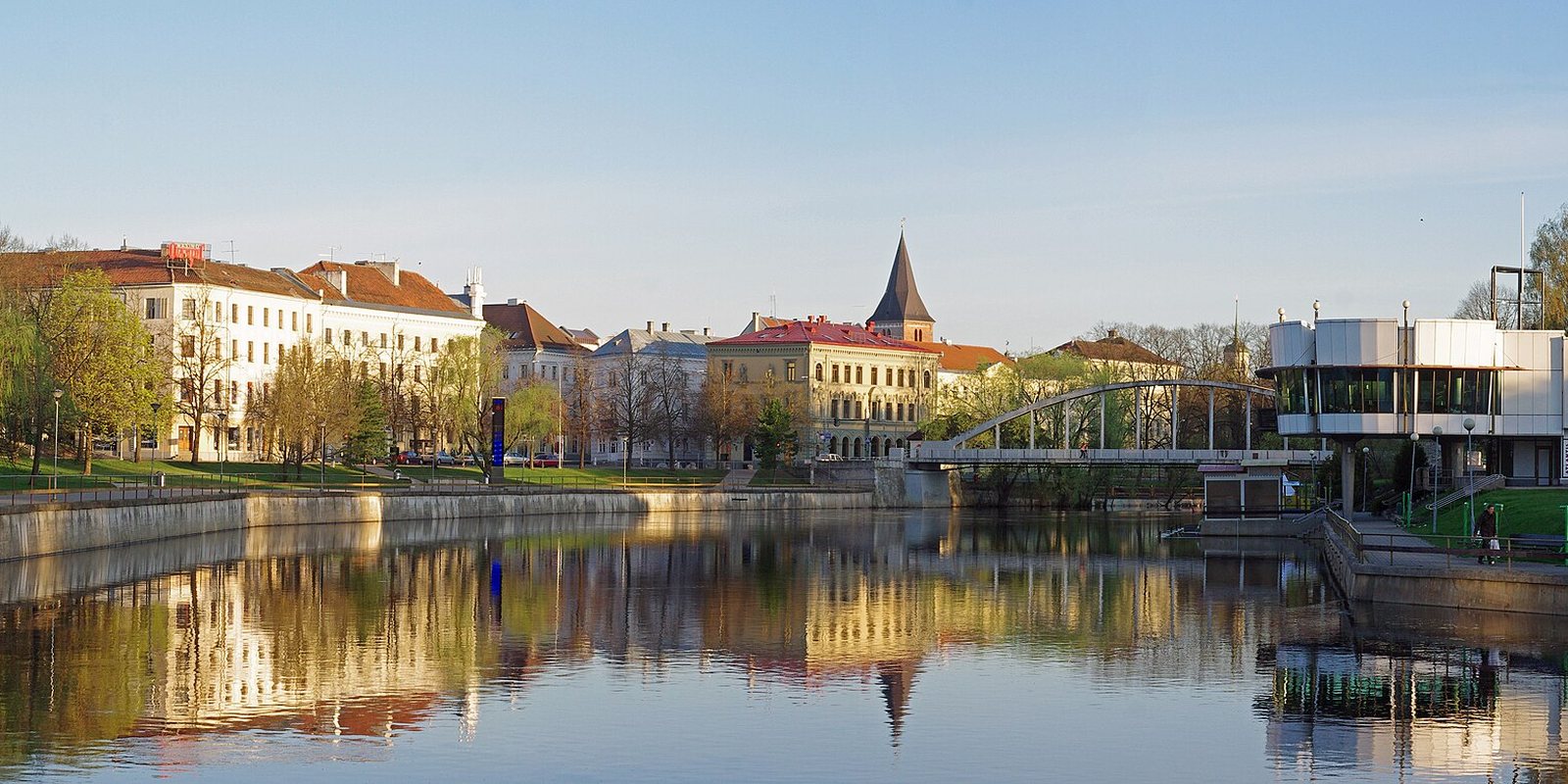
Begin at **Town Hall Square**, which slopes down to the Emajõgi river, with its leaning house and the fountain of the kissing students. Walk to the white columned **University of Tartu main building** and its museum, then climb **Toome Hill**, a park of old trees, bridges and monuments around the ruins of Tartu Cathedral.
The **Estonian National Museum** sits on a former Soviet airfield in a dramatic long building that seems to lift off the runway. Its exhibitions on Estonian life and on the Finno Ugric peoples are among the best in the Baltics. In town, **AHHAA Science Centre** is great for families, the **Estonian Print and Paper Museum** lets you try old presses, and the **KGB Cells Museum** tells the story of resistance and deportation.
Wander **Supilinn**, the Soup Town, a district of wooden houses and streets named after vegetables, and the **Karlova** district for colourful wooden villas and street art. In summer, rent a boat or walk the river paths, and visit the **Tartu Market Hall** for smoked fish, cheese and seasonal berries.
Food and drink
Tartu's cafés and bars are student friendly and inventive. Try a pastry and coffee in an old wooden café, local craft beer from **Pühaste** or **Õllenaut** in town bars, and seasonal menus that use southern Estonian produce, such as smoked meat from Võrumaa farms, wild mushrooms and sea buckthorn.
Day trips
**Lake Peipus**, on the Russian border, has Old Believer villages with onion growing gardens and smoked fish stalls along the shore road. **Võrumaa** to the south has lakes, the highest hill in the Baltics at **Suur Munamägi**, and the smoke sauna tradition listed by UNESCO as intangible heritage. **Soomaa National Park**, to the west, is famous for its spring floods, when canoes travel over fields.
Where to stay
Stay in the **old town** around Town Hall Square for easy walking, near the river for quiet mornings, or in Karlova and Supilinn for guesthouses with character.
Getting there and around
Fast and comfortable trains link Tallinn and Tartu in around two to two and a half hours, and express buses run often. In town, almost everything is walkable, and the bike share system is popular in summer.
Safety tips
Tartu is very safe. Student nights out can be lively on weekends, but trouble is rare. Carry a warm layer, as river evenings turn cool even in summer.
When to visit
Tartu is at its liveliest in spring, when Student Days fill the streets with parades and the famous home made raft race on the river, and in summer, when the Hanseatic Days bring markets and music to the old town. Autumn brings back the students and the cafés buzz again, and winter is quiet but atmospheric, with snow on Toome Hill and warm cellar bars. Many attractions keep year round hours, though boat trips and some garden cafés are seasonal.
Good to know
Tartu is easy for families, with playgrounds, the science centre and short walking distances. The city is flat along the river but climbs steeply to Toome Hill. English is widely spoken by younger people and in museums.
Questions about Tartu
Is Tartu worth visiting if I have limited time?
Yes, if you enjoy museums, student life and a slower pace. The Estonian National Museum alone is worth the journey from Tallinn.
How do I get from Tallinn to Tartu?
Take an Elron train or an express bus. Both take around two to two and a half hours, and tickets are easy to buy online.
What is the best day trip from Tartu?
Lake Peipus for Old Believer villages and smoked fish, or Võrumaa for lakes, hills and a traditional smoke sauna.
Facts checked . Fees, schedules and entry rules change, so always confirm the latest with the official source.