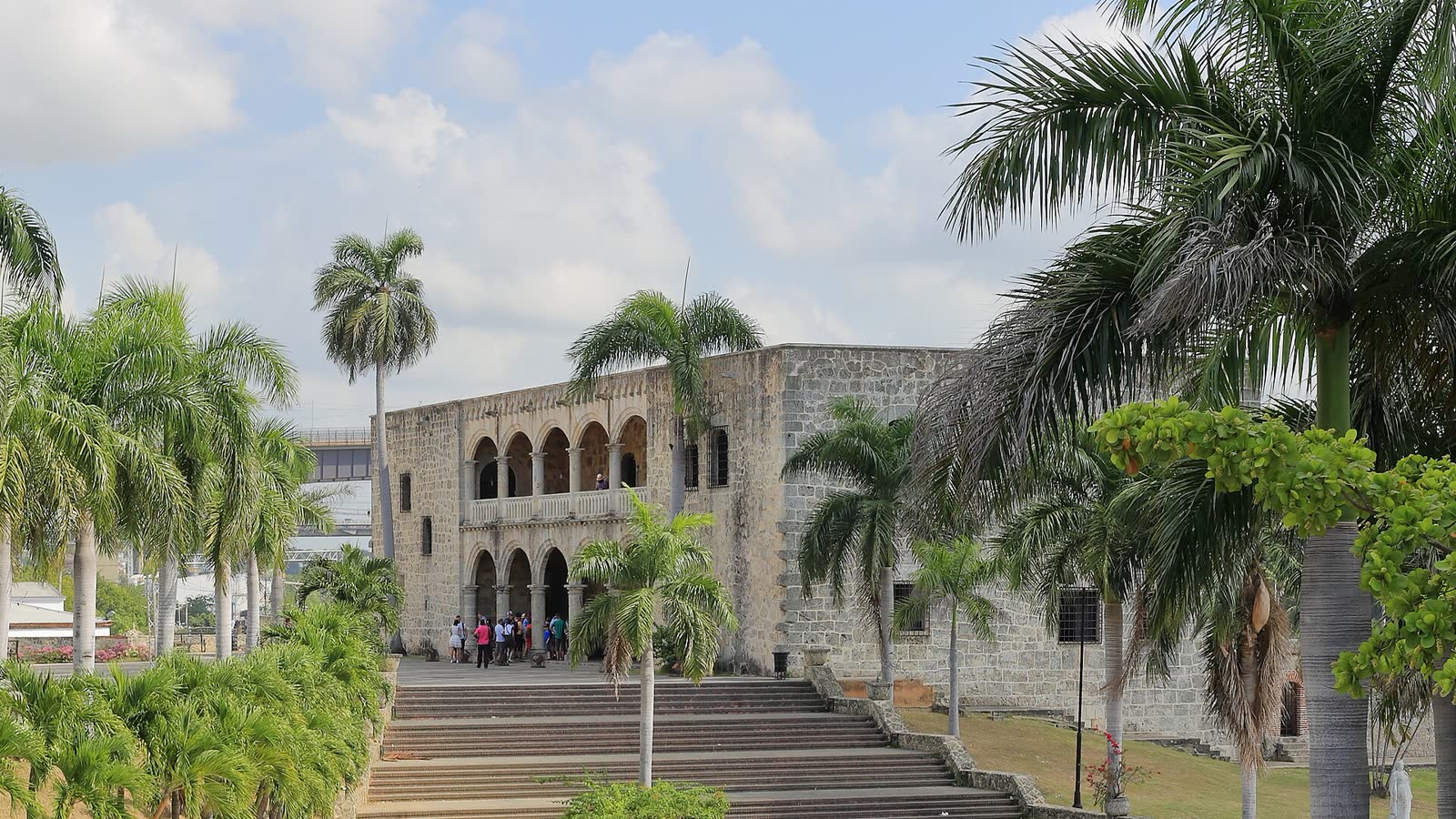
Alcazar de Colon, Santo Domingo, Photo: Martin Falbisoner, CC BY-SA 4.0, via Wikimedia Commons
Find your Bliss in Dominican Republic
The Dominican Republic, made simple: merengue in the Colonial Zone, whales off Samaná and palm lined beaches from Punta Cana to Puerto Plata
The Dominican Republic shares the island of Hispaniola with Haiti and is the most visited country in the Caribbean. Beyond the resorts of Punta Cana are the oldest European city in the Americas, cool mountain towns, wild beaches, humpback whales and a culture built on merengue, bachata, baseball and family. This guide helps you plan it calmly and with confidence.
Your trip, step by step
- Before you goEntry rules for your passport, the eTicket form, insurance and travel advice, answered
- ArrivingPunta Cana, Santo Domingo, Puerto Plata and Samaná airports and your first ride, explained
- Your days on the islandColonial streets, beaches, waterfalls, whales and mountain air, planned at an easy pace
- Heading homeDeparture timings, the exit part of the eTicket and what you can carry home, so the end is calm too
Where to go, eat and stay
- Plain answersClear, honest guidance on the questions first-timers actually ask about the Dominican Republic.
- Official sourcesEntry, health and safety facts point you to the official pages to confirm.
- No price surprisesWe explain taxes, tipping, transport and exchange so nothing catches you off guard.
- Free to useEvery guide and the trip planner are free.
Our promise
The Dominican Republic should feel like sunshine and warmth, not guesswork. We answer the questions about entry, money, transport, food and safety before they start, so you arrive confident and ready to find your Bliss.
Many visitors spend most of their trip on one coast, but the best first visits add two nights in Santo Domingo's Colonial Zone and a day or two in the mountains or on the Samaná Peninsula. This guide shows how to do it at a realistic pace.
How to use this guide
Four steps from first idea to a trip that feels easy.
- Choose your coastThe capital, the east coast resorts, the wild north, Samaná or the mountains: start with the destinations that fit you.
- Sort the essentialsEntry rules for your passport, the free eTicket, insurance and current travel advice, checked against official sources.
- Pick your placesUse our places to visit list for restaurants, beaches, waterfalls, bars and stays in every stop.
- Plan your routeUse the free trip planner to link your stops with realistic road times.
Everything your Dominican Republic trip needs
Free tools and guides for every stage of the journey.
Destinations
Santo Domingo, Punta Cana, Samaná, Puerto Plata, Jarabacoa and Bayahibe, each explained in depth.
Explore destinationsPlaces to visit
More than a hundred restaurants, beaches, waterfalls, bars, markets and stays, from classics to hidden corners.
See places to visitFlights and stays
Search flights into Punta Cana, Santo Domingo, Puerto Plata and Samaná and stays across the country.
Plan travelPlaces finder
Restaurants, sights and stays mapped around each base.
Find placesFree trip planner
Tell us your dates and interests and build a route that fits.
Plan your trip
Beyond the resort
Colonial streets, mountain rivers and whale filled bays
The Dominican Republic is far more than an all inclusive. Santo Domingo's Colonial Zone holds the first cathedral and fortress of the Americas, the Cordillera Central offers pine forests, rivers and the highest peak in the Caribbean, and the Samaná Peninsula has empty beaches and humpback whales each winter. The east coast beaches around Punta Cana and Bayahibe are as good as their reputation.
- The Colonial Zone, merengue and the Malecón
- Jarabacoa waterfalls, rafting and Pico Duarte
- Whale watching in Samaná Bay from January to March
Start with the destinations
See how the capital, the coasts and the mountains fit together.
Dominican Republic destinationsPlan with confidence
Your Dominican Republic trip, without the worry
A good trip here comes down to a few things: entry checked for your passport, the eTicket completed before you fly, transport booked with sensible road times, and a mix of beach and culture. Our free planner helps you shape it.
- The right mix of beach, city and mountains
- Realistic road times between the coasts
- Carnival, merengue festival and whale season dates
Where to go in the Dominican Republic
From the capital Santo Domingo and the beaches of Punta Cana and Bayahibe to the Samaná Peninsula, Puerto Plata on the north coast and the mountain town of Jarabacoa.
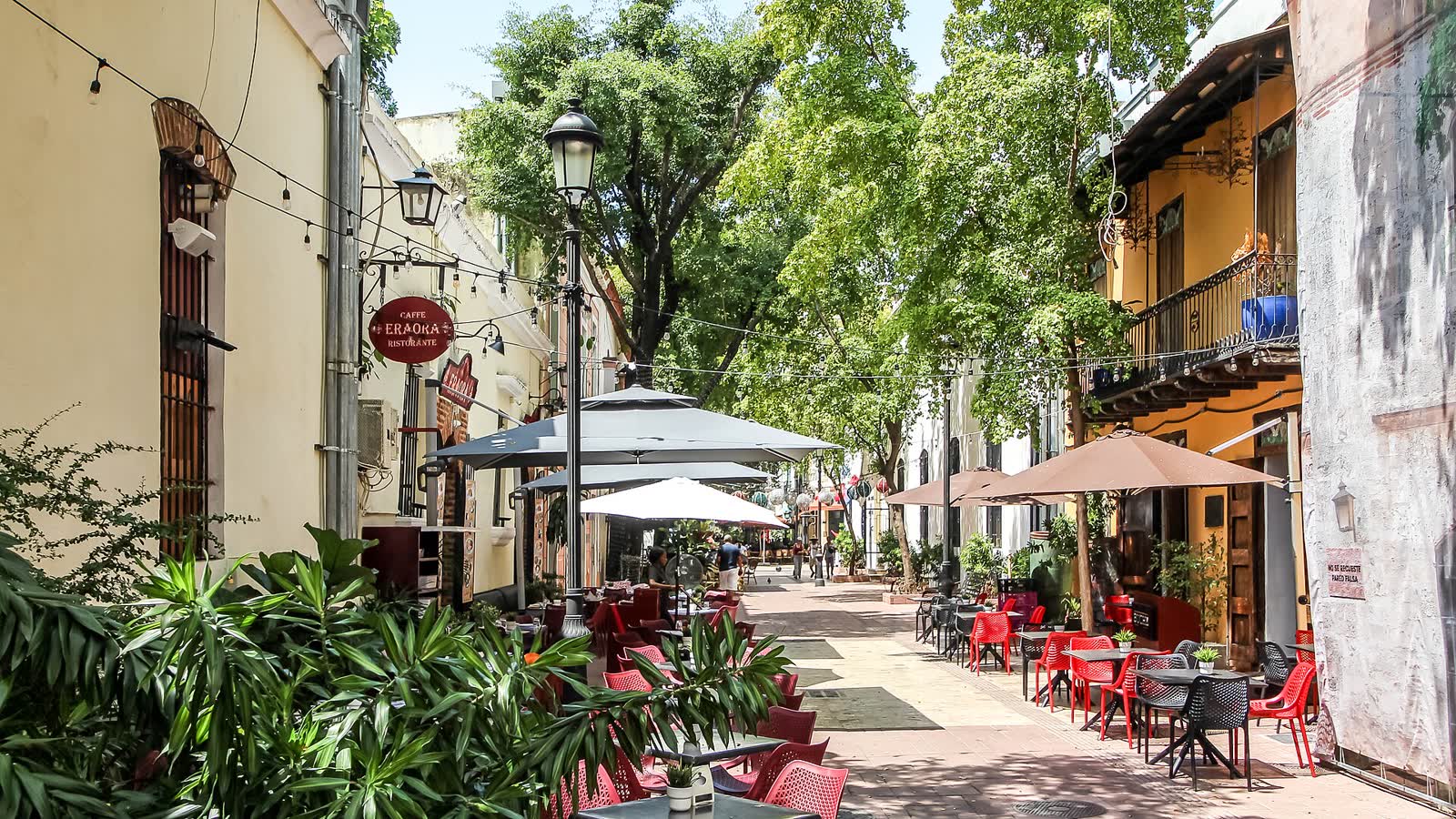
Distrito Nacional, Dominican Republic
Santo Domingo
The first city of the Americas: cobbled colonial streets, a seafront boulevard, merengue and the country's best food scene.
Read the guidePhoto: Dr. Thomas Liptak, CC BY-SA 4.0 , via Wikimedia Commons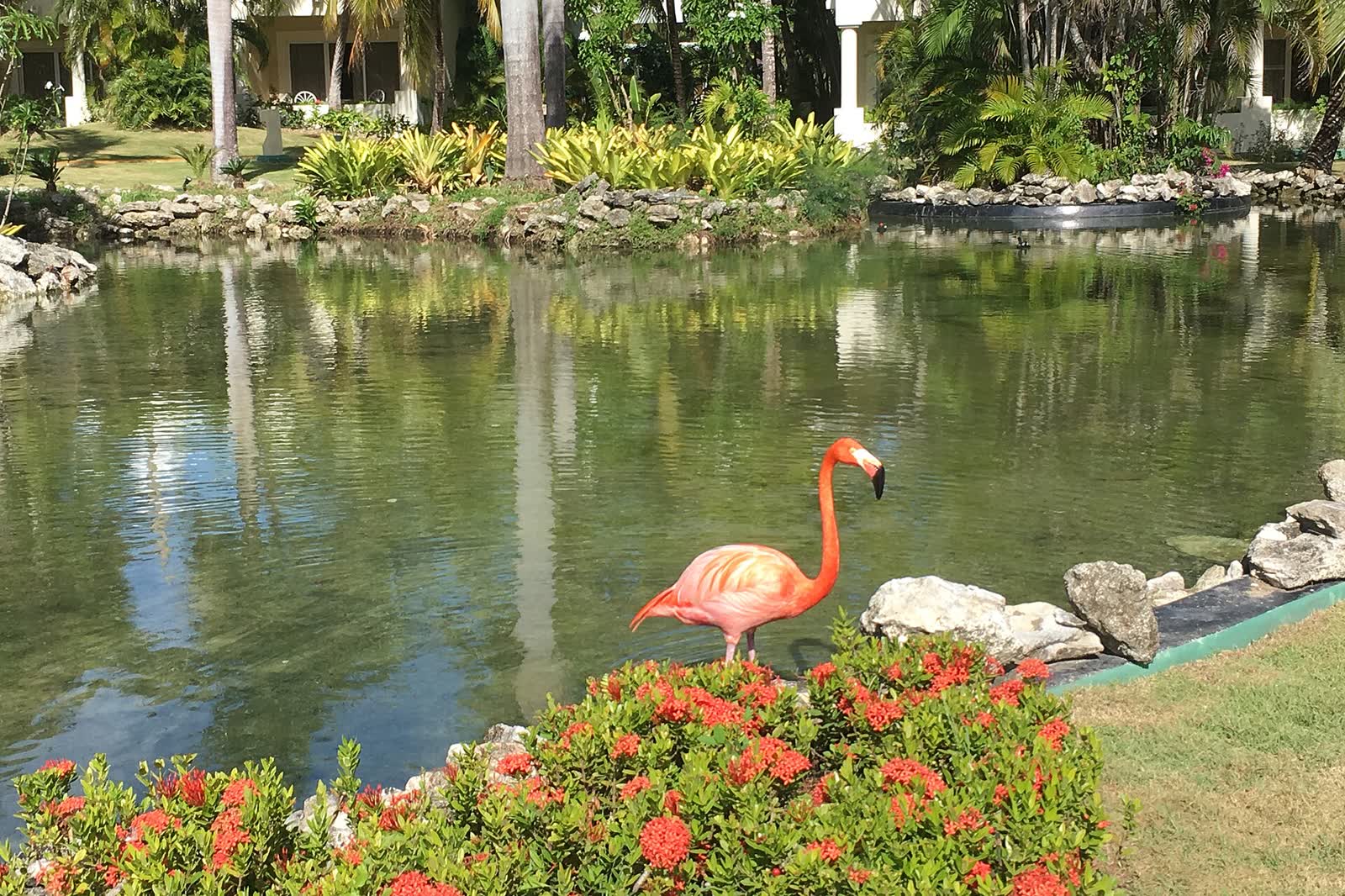
La Altagracia Province, Dominican Republic
Punta Cana
Miles of white sand and palm trees, calm turquoise water and the biggest choice of resorts in the Caribbean.
Read the guidePhoto: Mariordo (Mario Roberto Durán Ortiz), CC BY-SA 4.0 , via Wikimedia Commons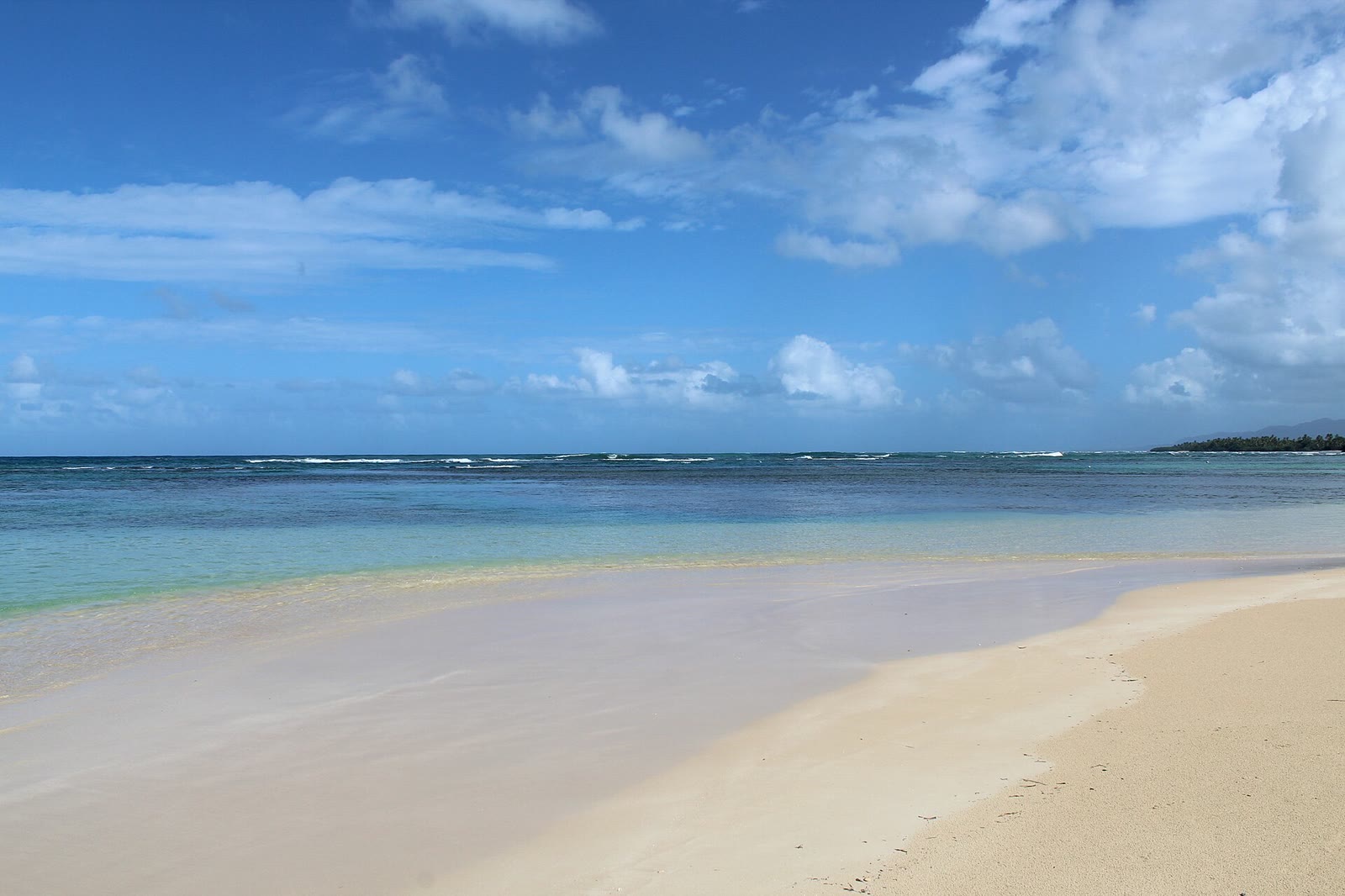
Samaná Province, Dominican Republic
Samaná
A lush, mountainous peninsula of palm covered hills, empty beaches, a jungle waterfall and humpback whales in winter.
Read the guidePhoto: Danu Widjajanto, CC BY-SA 4.0 , via Wikimedia Commons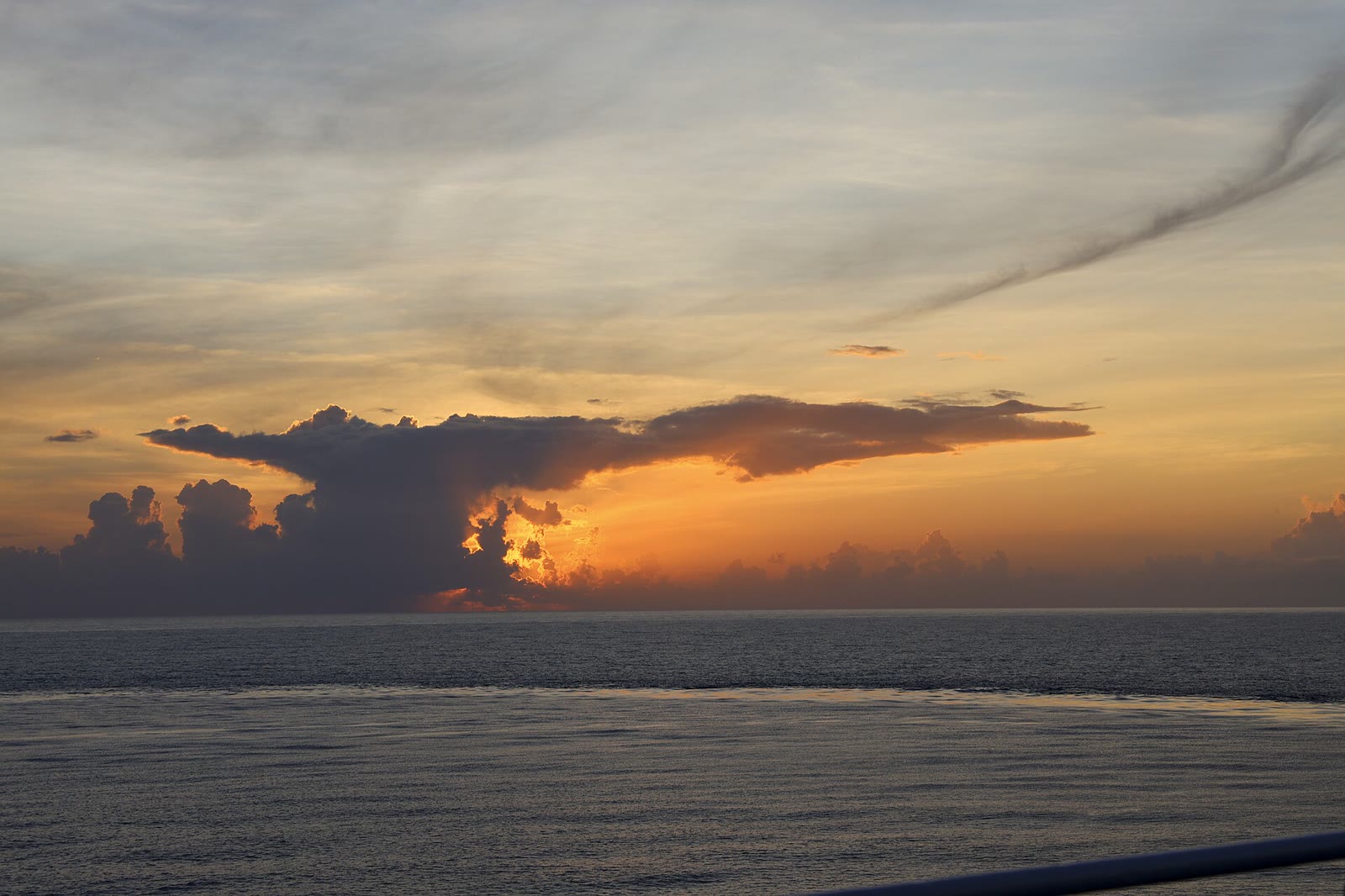
Puerto Plata Province, Dominican Republic
Puerto Plata
A Victorian port town, a cable car to a mountain top Christ, waterfalls to slide down and the kitesurf beaches of Cabarete.
Read the guidePhoto: U.S. Navy photo by Petty Officer 2nd Class Rylin Paul, Public domain, via Wikimedia Commons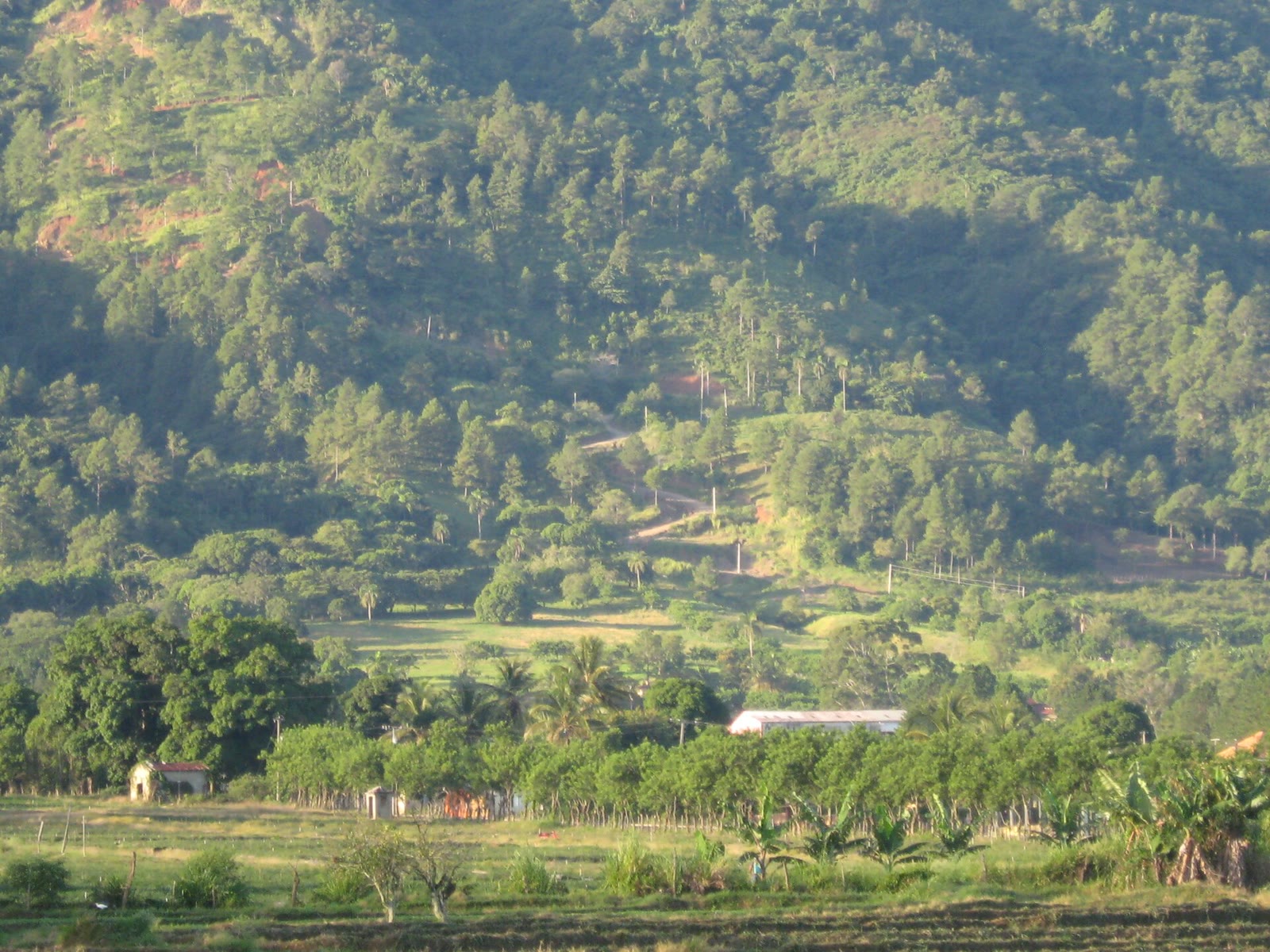
La Vega Province, Dominican Republic
Jarabacoa
A pine scented mountain town of rivers, waterfalls, rafting and coffee, and the gateway to the highest peak in the Caribbean.
Read the guidePhoto: Glenn M. Harden, CC BY-SA 3.0 , via Wikimedia Commons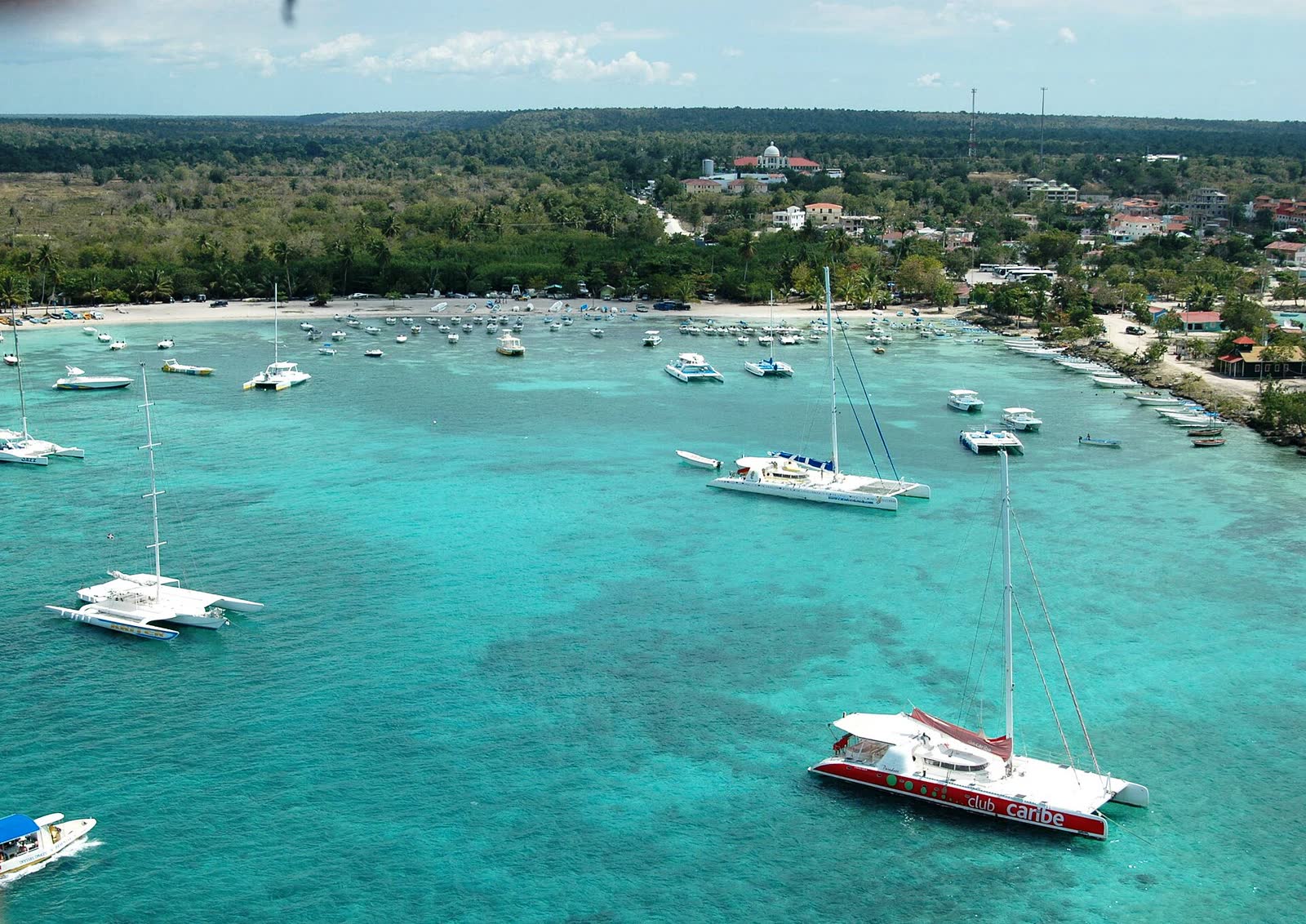
La Altagracia Province, Dominican Republic
Bayahibe
A laid back fishing village with calm Caribbean water, superb diving and boats to Saona and Catalina islands.
Read the guidePhoto: Максим Улитин, CC BY 3.0 , via Wikimedia Commons
A note from our founder
A note from our founder
My first time visiting Kenya, I was genuinely surprised with how fast it began feeling like home. The people are so friendly, the food is delicious and familiar, and the accommodations are modern and upscale.
During my travels throughout the continent, I commonly hear tourists share stories about being scammed or taken advantage of, which is both frustrating and disheartening.
Living in Kenya for the last 2 years, I have had the great fortune to meet a network of wonderful Kenyans who have continuously help guide my family's journey. Their shared knowledge has not only greatly enhanced our overall experience here, but it has also saved us tons of time, energy, and resources.
With BlissPoint Travel, my hope is to build a global community that is willing to share useful, uncommon knowledge so that we can all blissfully enjoy the wonders our world has to offer.
Questions we hear most
Do I need a visa for the Dominican Republic?
Many nationalities, including citizens of the United States, Canada, the UK and the EU, can visit for tourism without a visa, but rules depend on your passport. Check the Dominican Ministry of Foreign Affairs or your nearest Dominican embassy before you book, and complete the free eTicket online.
Is the Dominican Republic safe for tourists?
Most visits are trouble free. Petty theft and some violent crime do occur, especially in parts of cities at night, so follow your government's current travel advice, use registered taxis or ride apps, and keep valuables out of sight.
What is the best time to visit the Dominican Republic?
December to April is driest and most popular. Whale season in Samaná runs from mid January to late March, and hurricane season runs from June to November, with the highest risk from August to October.
Should I stay in Punta Cana or Santo Domingo?
Punta Cana is for beach and resort time; Santo Domingo is for history, food and nightlife. Many first visitors combine both, as they are around three hours apart by road.
What currency is used in the Dominican Republic?
The Dominican peso. US dollars are widely accepted in tourist areas, and cards work in hotels and larger restaurants, but carry pesos for small shops, colmados, tips and local transport.
Can I drink the tap water?
No. Drink bottled or filtered water, which hotels and every colmado sell, and use it for brushing your teeth too.
Ready to find your Bliss in the Dominican Republic?
Tell us your dates and interests and use the free trip planner to shape a Dominican Republic trip that feels easy.