At a glance
- Best for
- A first taste of rainforest and village life
- Distance
- About two hours by road south west of Bangui
- Time needed
- A day trip or one night
- Best season
- December to March, the dry months
- Main town
- Mbaïki
- Safety
- Check road conditions and advice before going
The forest on Bangui's doorstep
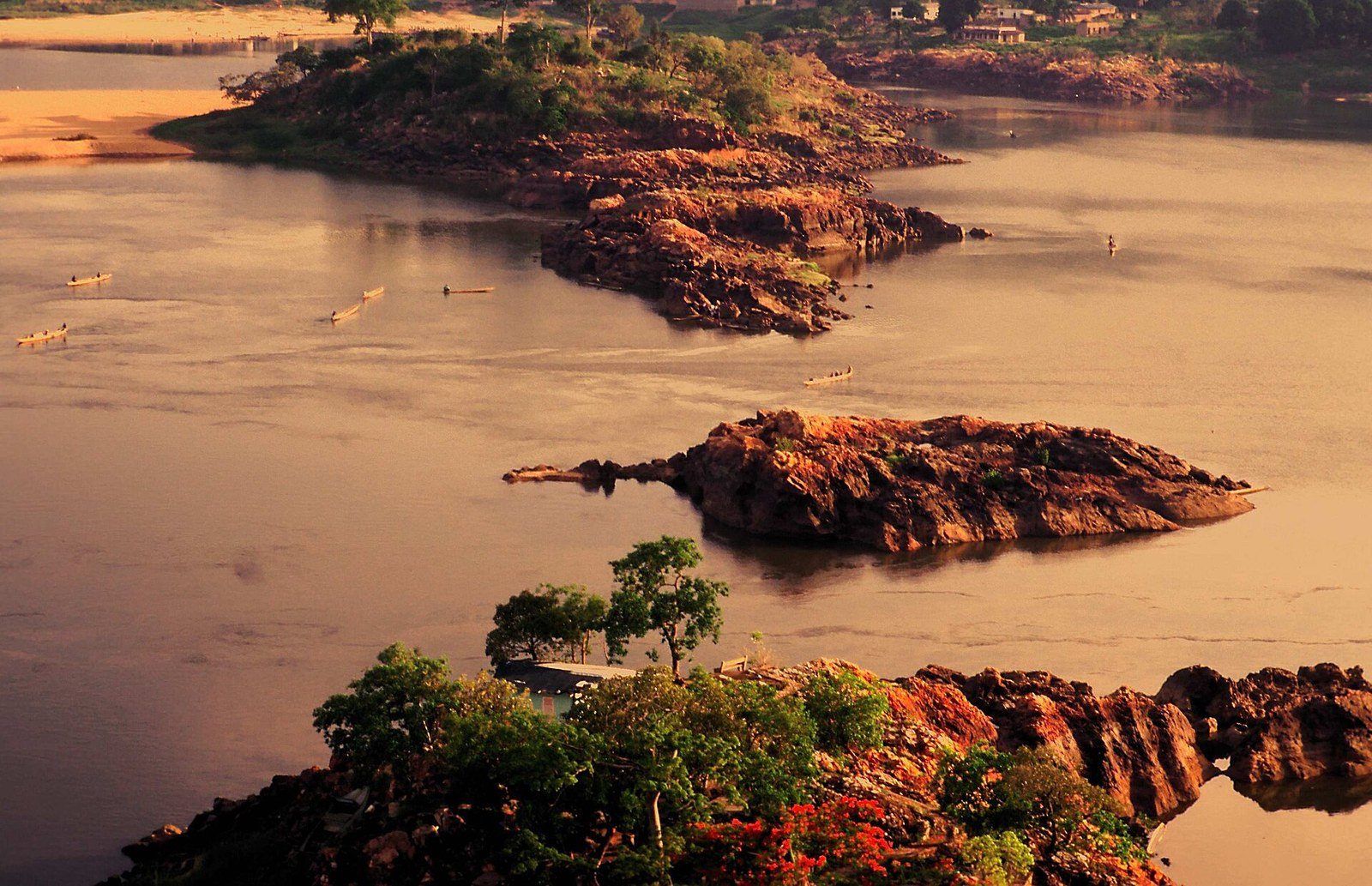
The Lobaye takes its name from the river that runs through the region before joining the Oubangui. Much of it is lowland rainforest, logged in places, with tall trees, streams and villages strung along the roads. It has long been a weekend escape for people in Bangui and a research area for scientists studying the forest and its peoples.
Mbaïki
**Mbaïki** is a small, green town on a ridge and the capital of the Lobaye prefecture. It grew in the colonial period around coffee and timber, and you will still see coffee bushes and drying yards in the area. The market is a good place to see forest produce such as mushrooms, caterpillars, honey, koko leaves and smoked fish. The area is also known as the home region of Barthélemy Boganda, founding father of the country, who was born nearby at Bobangui.
The Aka people
Several Aka communities, sometimes grouped with the BaAka of Dzanga-Sangha, live in the forest around Mbaïki and toward Mongoumba. They are famous for their singing and knowledge of plants and animals. Visits should only happen through someone who knows the communities well, with fair payment agreed in advance. Avoid any arrangement that treats people as a show.
Nature
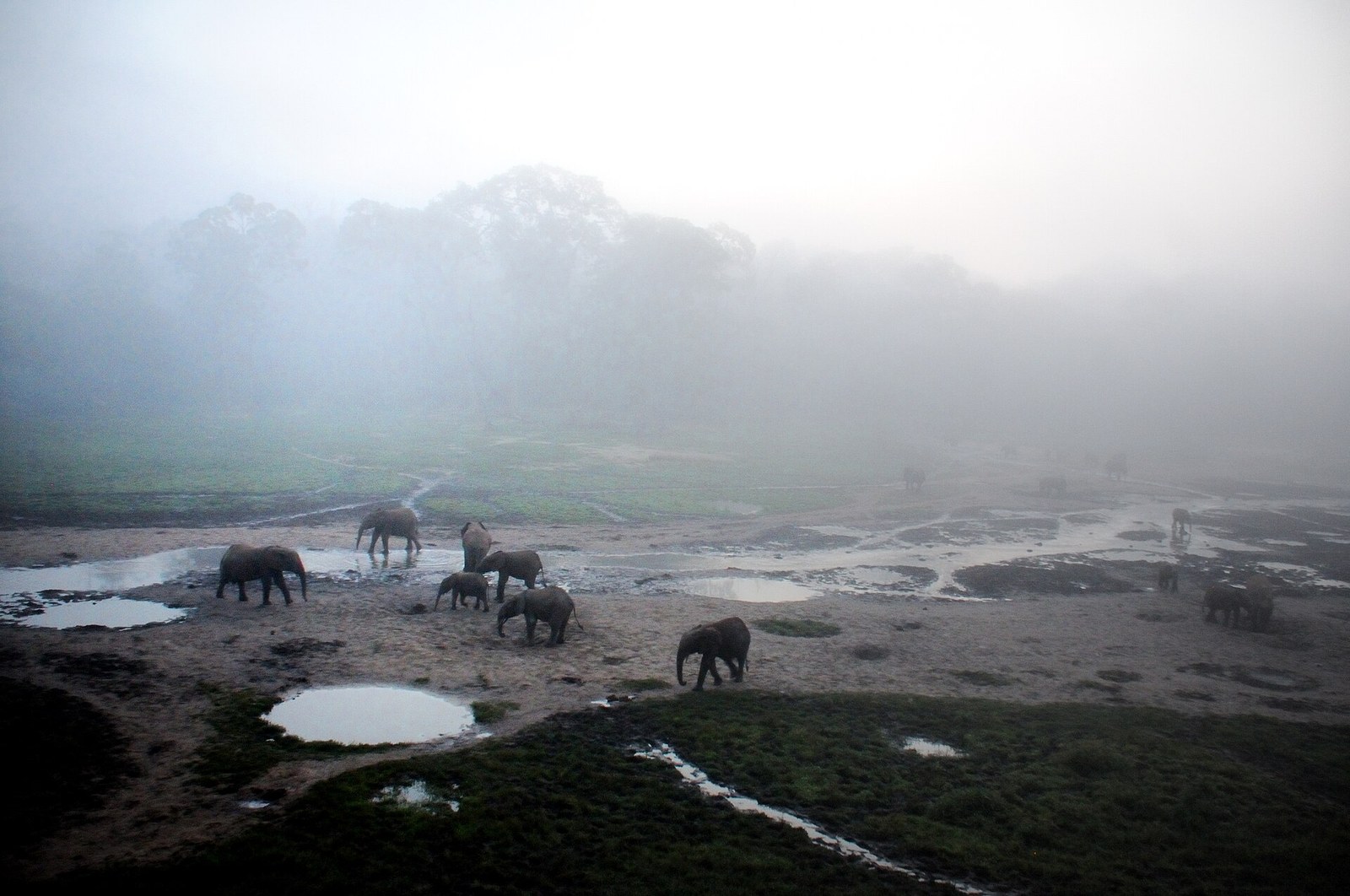
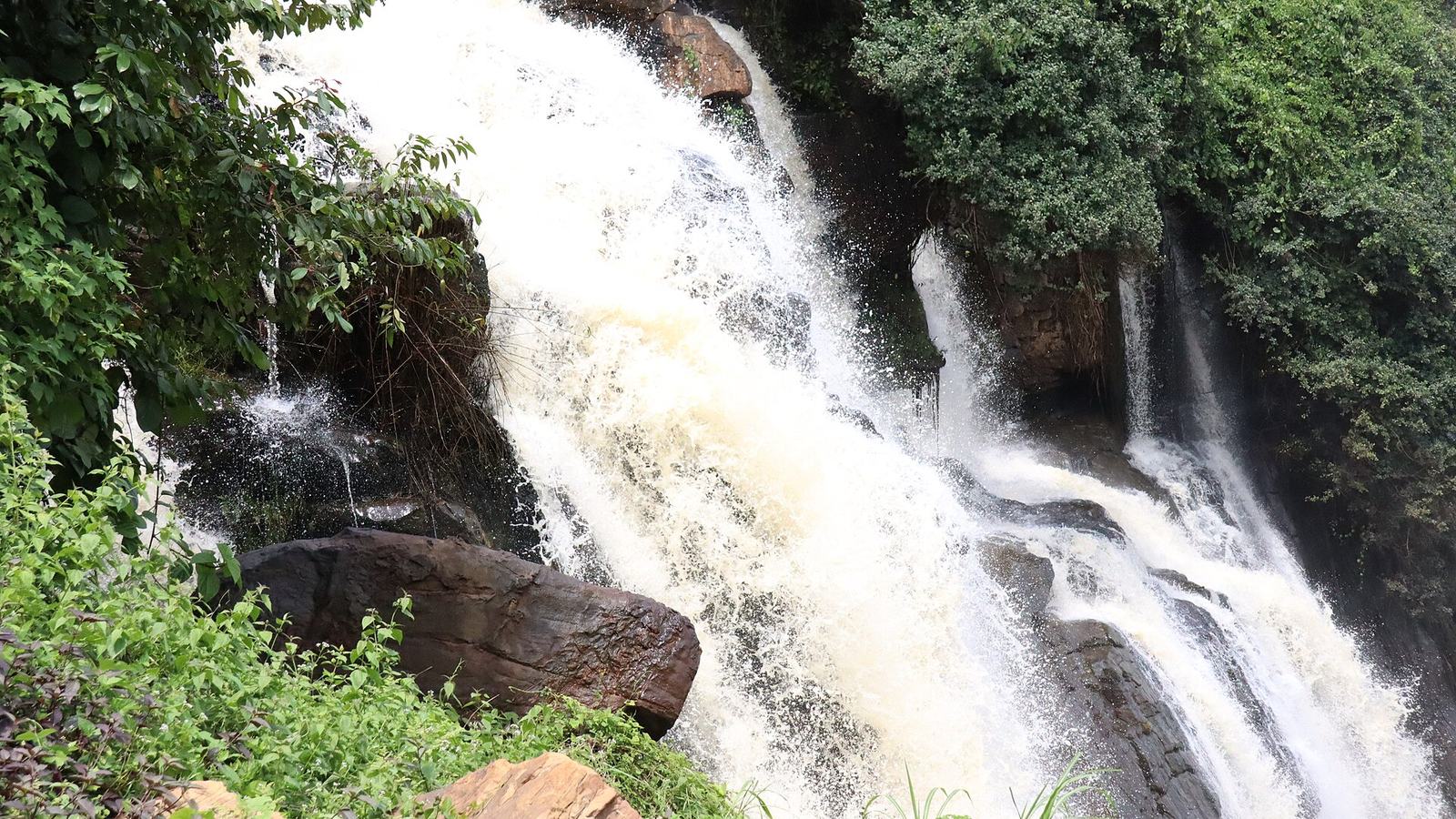
Forest walks with a local guide reveal butterflies, birds and huge trees. Small waterfalls and rivers in the region make good picnic stops, depending on season and road access. In the dry season the forest is easier to walk and the roads are passable.
Getting there
Mbaïki is roughly a hundred kilometres south west of Bangui by a road that is partly paved. Allow around two hours each way, longer in the rains. Go with a trusted driver arranged through your hotel, employer or family, start early and return before dark. There is little in the way of hotels, so most people visit as a day trip or stay with contacts.
Staying safe
Government advice warns against travel outside Bangui, and conditions vary from month to month. Ask trusted local contacts about the road before you go, carry identity documents for checkpoints, and keep valuables to a minimum. Bring water, food, insect repellent and malaria prevention.
Food
Look for forest dishes such as koko with peanut paste, mushrooms in season and smoked fish, eaten with gozo. Buy fruit like bananas, pineapples and mangoes along the road.
A sample day
Leave Bangui at first light and reach Mbaïki by mid morning. Walk the market, then head out with a local guide for a forest walk and a visit to coffee country. Eat a lunch of koko or ngounja with gozo, stop at roadside fruit sellers on the way back and arrive in Bangui by mid afternoon.
What to bring
Bring sturdy shoes, long trousers, insect repellent, water, snacks, a hat, cash in small notes and your passport or a certified copy for checkpoints. A small gift such as sweets or soap is appreciated when visiting a village with a trusted contact.
Why the Lobaye matters
The Lobaye forest is part of the wider Congo Basin, the second largest tropical rainforest on earth. It supports livelihoods through coffee, timber, forest foods and fishing, and its trees store vast amounts of carbon. Visiting respectfully, with local guides, helps show that standing forest has value.
Questions about the Lobaye forest
How far is Mbaïki from Bangui?
Around a hundred kilometres, usually about two hours by road in the dry season and longer during the rains.
Can I visit Aka villages near Mbaïki?
Visits are possible through people who know the communities well. Agree fair payment in advance and treat it as a respectful exchange, not a show.
Are there hotels in Mbaïki?
Options are very limited and basic. Most visitors make it a day trip from Bangui or stay with local contacts.
When is the best time to visit the Lobaye?
The dry season, from about December to March, when roads are firmer and forest walks are easier. In the rains, the road from Bangui can be slow and muddy.
Facts checked . Fees, schedules and entry rules change, so always confirm the latest with the official source.