At a glance
- Best for
- Gorillas, forest elephants and rainforest culture
- Gateway
- Charter flight from Bangui to Bayanga
- Time needed
- Four to six nights
- Best season
- December to April, the drier months
- Protected status
- Part of the Sangha Trinational UNESCO site
- Base
- Bayanga village and nearby lodges
What makes it special
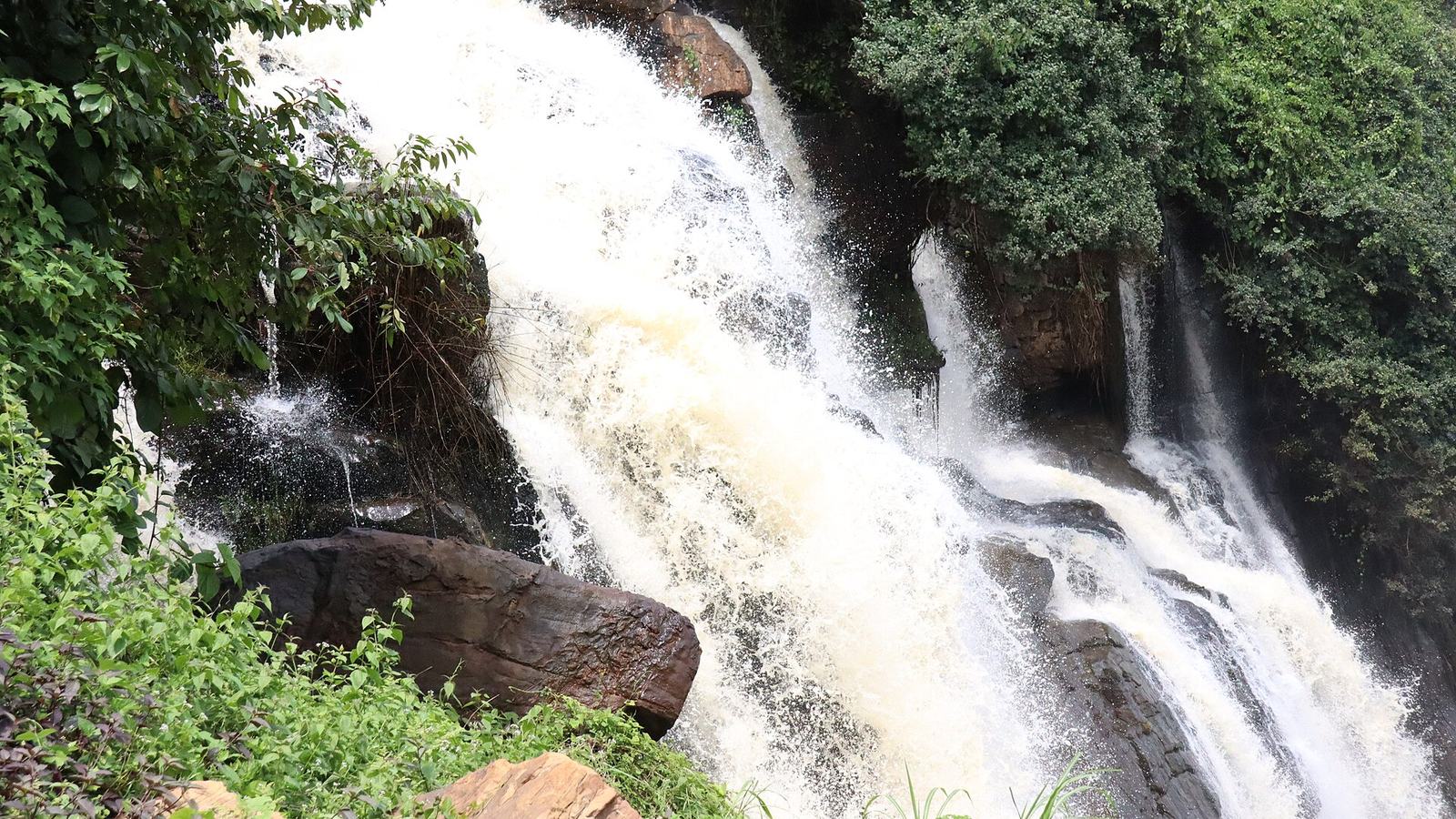
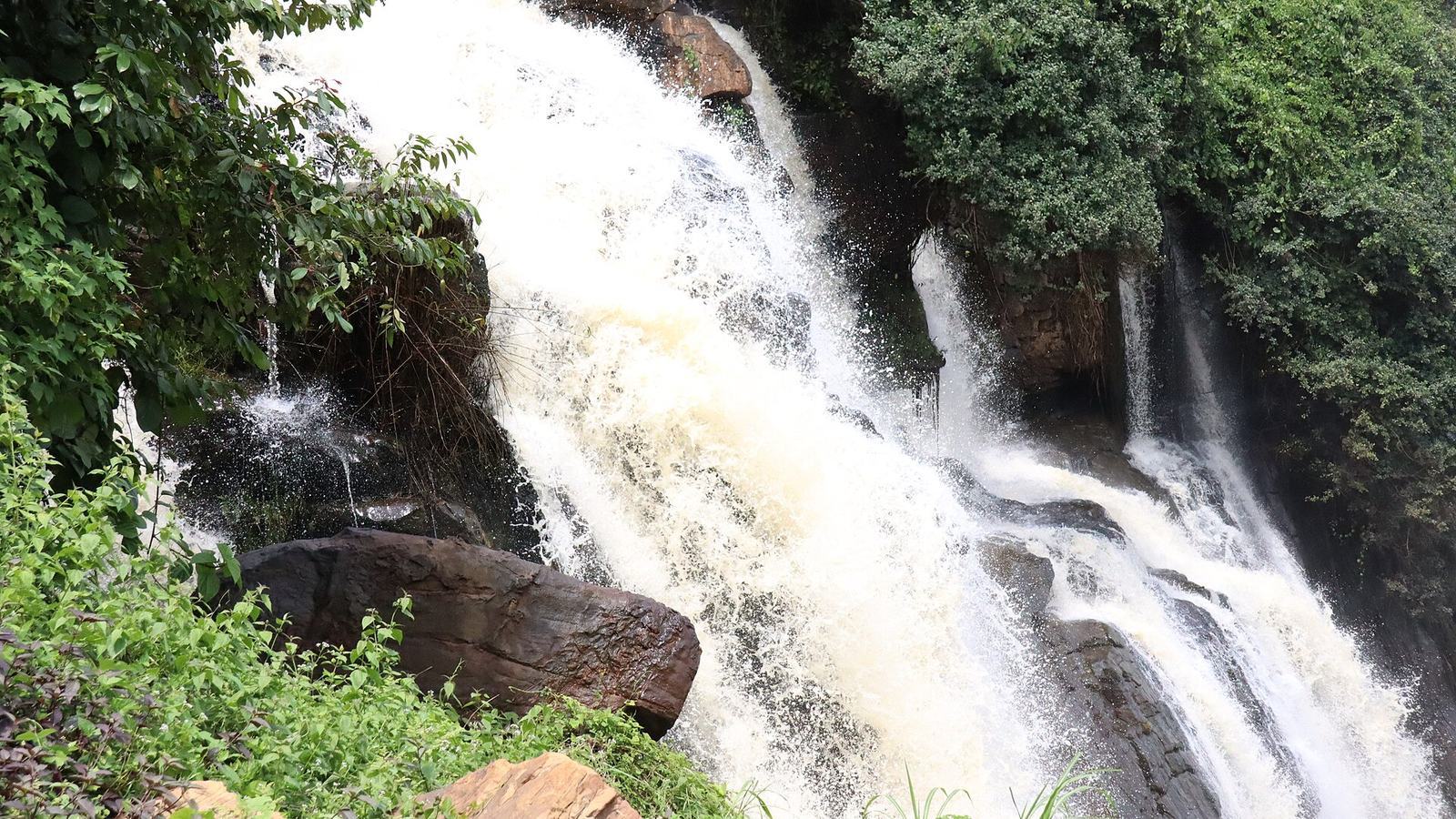
The Dzanga-Sangha Protected Areas, made up of a special reserve and the Dzanga-Ndoki National Park, protect thousands of square kilometres of lowland rainforest along the Sangha river. Together with neighbouring parks in Cameroon and the Republic of the Congo they form the Sangha Trinational, a UNESCO World Heritage Site. The reserve has been managed for decades with support from WWF and has kept running through the country's long crises, partly because it is so remote.
Gorilla tracking
Several groups of western lowland gorillas have been habituated to people through years of patient work by BaAka trackers and researchers, mostly from the **Bai Hokou** and **Mongambe** camps. A morning tracking means following trackers through the forest, often off trail, until you reach the group. Time with the gorillas is limited, numbers are small and masks are usually required to protect the gorillas from disease. Book permits through the reserve in advance.
Dzanga Bai
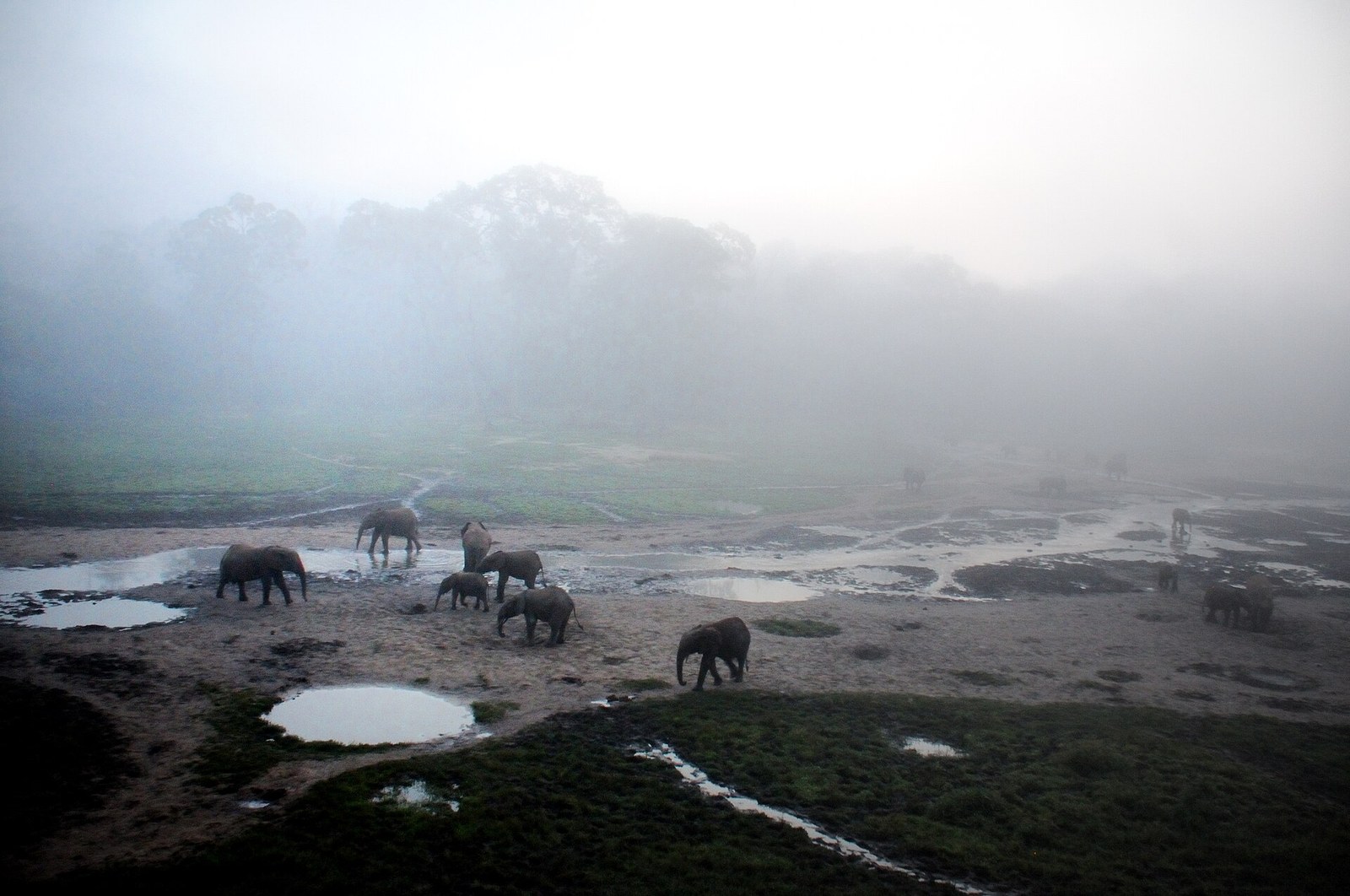
**Dzanga Bai** is a large natural clearing full of mineral rich water and mud, where forest elephants gather in numbers seen almost nowhere else. From a raised platform you may watch dozens, sometimes far more, digging for minerals, along with forest buffalo, bongo antelope, giant forest hogs and many birds. Reaching it means a drive and then a walk through a stream, and the afternoon light is lovely.
The BaAka and the forest
The BaAka are the forest's original people. With BaAka guides you can join a **net hunt**, learn which plants are food and medicine, and hear their polyphonic singing, which UNESCO recognises as intangible cultural heritage. Approach these visits with respect: they should be arranged through the reserve or your lodge, so that communities are paid fairly.
More to do
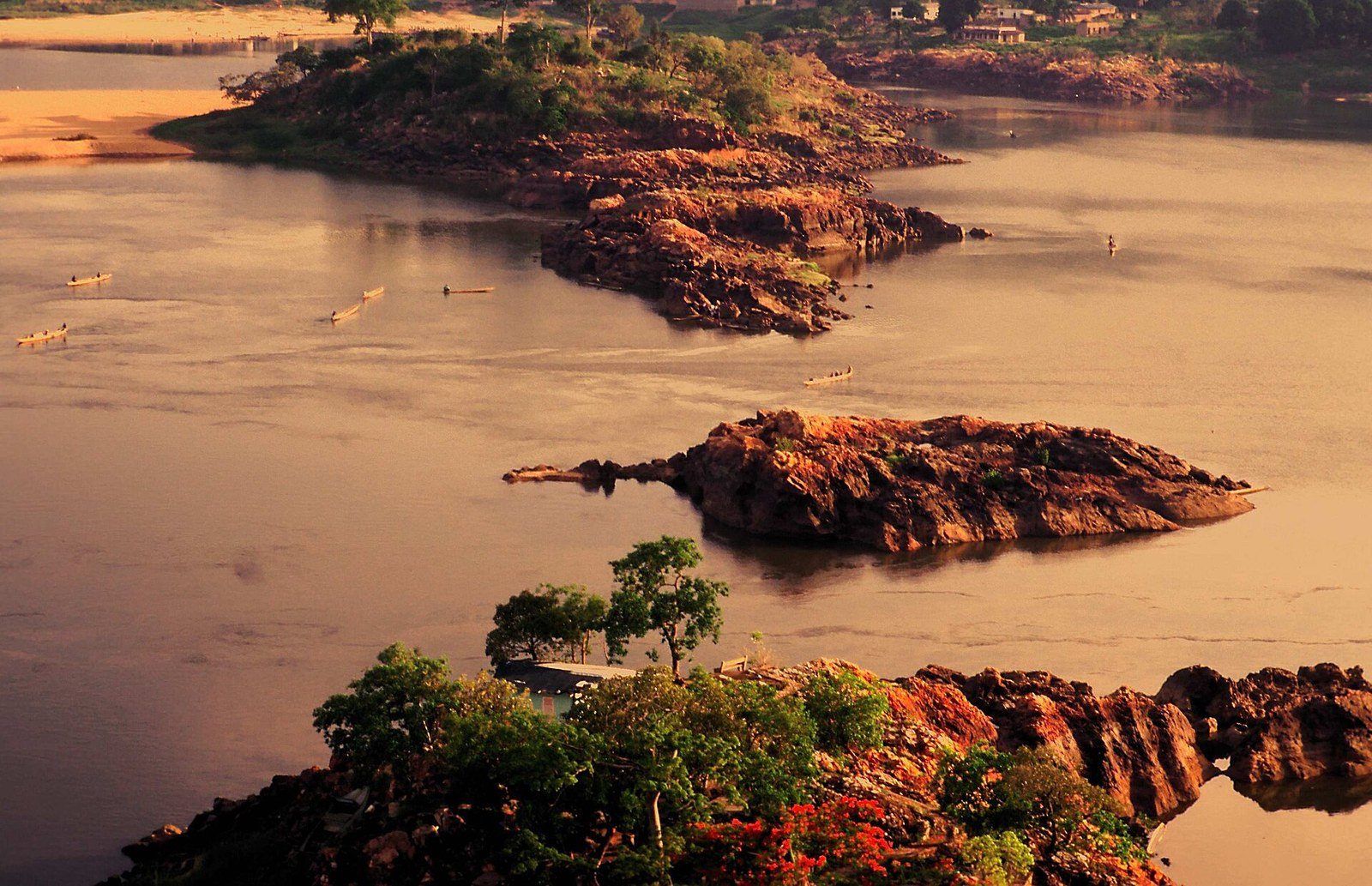
Take a **pirogue on the Sangha river** at sunset, look for monkeys such as agile mangabeys on forest walks, and visit **Bayanga** village and its market. Birders find the area rich in forest species.
Getting there
The road from Bangui is long, rough and passes through areas covered by travel warnings, so most visitors use charter flights to the Bayanga airstrip, arranged with their lodge. Some come from the Republic of the Congo or Cameroon along the Sangha river, which needs careful checking of borders and permits. Plan all logistics with the reserve or your lodge well in advance.
Where to stay
Accommodation is limited to a few small lodges near Bayanga, such as **Sangha Lodge** on the river, and simple reserve accommodation. Everything is full board and needs to be booked well ahead.
Health and safety
Bring proof of yellow fever vaccination, take malaria prevention seriously and carry insect repellent for sweat bees and tsetse flies. Check your government's travel advice for the region and make sure your insurance covers both the area and medical evacuation.
Planning your days
A typical stay of five nights might include a full day gorilla tracking from Bai Hokou, another day with the Mongambe group, an afternoon at Dzanga Bai, a morning net hunt with BaAka families and a sunset pirogue on the Sangha. Lodges arrange activities to suit flights and weather. Bring light, quick drying clothes in muted colours, sturdy shoes, a rain jacket, binoculars and a camera with spare batteries.
Questions about Dzanga-Sangha
Can I see gorillas in Dzanga-Sangha?
Yes. Habituated western lowland gorilla groups can be tracked with BaAka trackers. Sightings are likely but never guaranteed, and permits should be booked well ahead.
How do I get to Dzanga-Sangha?
Most visitors fly by charter from Bangui to Bayanga, arranged with their lodge or the reserve. Overland routes are long and pass through areas under travel warnings.
When is the best time to visit Dzanga-Sangha?
The drier months from about December to April are easiest for tracking and travel, though the forest is humid and rain can fall at any time.
Is Dzanga-Sangha a UNESCO site?
Yes, it is part of the Sangha Trinational World Heritage Site, shared with Cameroon and the Republic of the Congo.
Facts checked . Fees, schedules and entry rules change, so always confirm the latest with the official source.