At a glance
- Best for
- Markets, river views, music and meeting family
- Gateway
- Bangui M'Poko International Airport (BGF)
- Time needed
- Two to four nights
- Best season
- December to March, the dry months
- Language
- Sango and French
- Safety
- Check current government advice before travel
Why Bangui matters
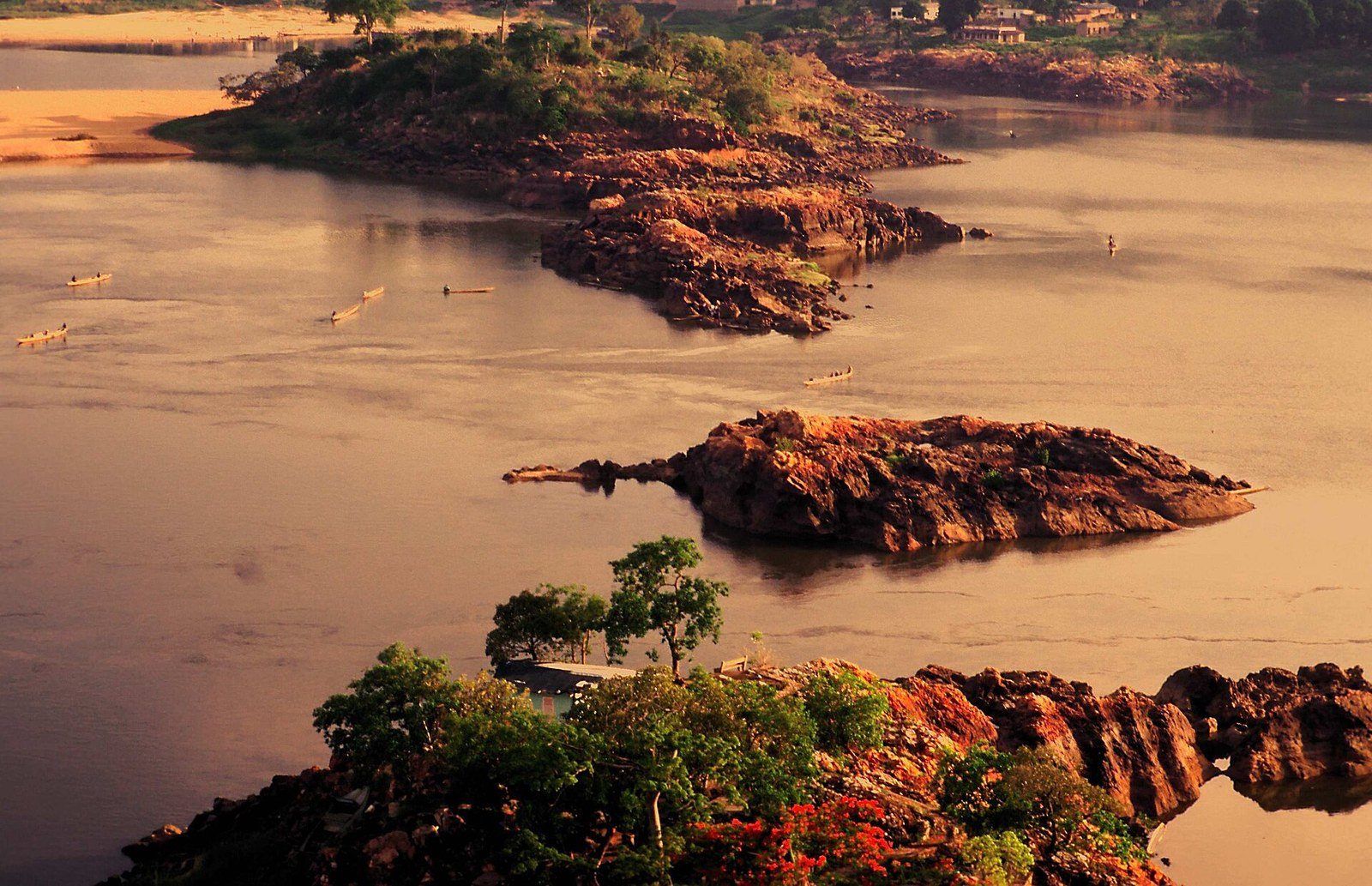
Bangui was founded by the French in 1889 as a river post at the point where rapids stop larger boats travelling further upstream. Today it is home to roughly a million people and holds almost all of the country's government, business and international organisations. Many Central Africans abroad have family here, so it is the heart of most homecoming trips too.
The neighbourhoods to know
**The centre**, around the Place de la République and the avenue Barthélemy Boganda, holds government buildings, banks, the main post office and the central market. **Lakouanga and the river front** near the old town have restaurants and views over the water. **Quartier Sica** and the areas toward the airport hold several hotels and offices. **PK5**, the commercial heart of the city's Muslim community, is the biggest trading district, but it has seen serious violence in the past, so check current conditions with trusted locals before going. **Boy-Rabe** and other northern quarters are residential and best avoided by visitors without local company.
What to see and do
See the **Notre-Dame of the Immaculate Conception Cathedral**, a striking red brick church at the heart of Catholic life in the city. The **Barthélemy Boganda National Museum** tells the story of the country's founding father and holds musical instruments, masks and objects from many of the country's peoples, though opening can be irregular. Walk or drive the **river front** at sunset, when pirogues cross to Zongo on the Congolese side. The **Bangui Rapids** just upstream are a pleasant spot to watch fishermen at work. Browse the **Marché Central** for wax print fabric, carved wood and butterfly wing pictures, a craft the city is known for. In the evening, Bangui's bars play Central African and Congolese music, and live bands are common at weekends.
Food in Bangui
Central African cooking is built on cassava, in the form of gozo, a stiff dough eaten with sauces. Try ngounja, cassava leaves cooked with peanut paste, koko leaves with smoked fish, and grilled capitaine or tilapia from the river. Street stalls sell brochettes, fried plantain and makara, small doughnuts, while the bigger hotels and a handful of restaurants serve French and Lebanese dishes. Drink only bottled or treated water.
Getting around
The airport sits a short drive north west of the centre. Yellow shared taxis and motorbike taxis are everywhere, but most visitors use transport arranged by their hotel, employer or family, and avoid moving around after dark. Expect police and military checkpoints, so carry your passport or a copy at all times.
Staying safe
Crime, including armed robbery, is a real risk, and tensions can flare quickly. Keep a low profile, avoid crowds and demonstrations, do not walk at night and follow the advice of your embassy and hotel. A United Nations peacekeeping mission, MINUSCA, has a large presence in the city. Register with your embassy if it offers that service.
Where to stay
The handful of established business hotels in the centre and near the river are the usual choice, with generators, guards and restaurants. Book well ahead, confirm security arrangements directly with the hotel and expect prices to be high for what you get, because supplies are flown or trucked in.
Questions about Bangui
How many days should I spend in Bangui?
Two to four nights is enough for the cathedral, museum, markets and river, or as a stop before Dzanga-Sangha. Family visits are of course longer.
Is Bangui safe for tourists?
Bangui is safer than most of the country, but governments still warn of armed crime, unrest and kidnapping. Read your government's advice, keep a low profile and never travel at night.
What is Bangui known for?
The Oubangui river, its markets and butterfly wing art, the Notre-Dame cathedral, Central African music and its role as the country's only real city.
Can I cross the river to Kinshasa from Bangui?
Boats cross to Zongo in the Democratic Republic of the Congo, but this is a land border with separate visa rules and its own warnings. Kinshasa is far downstream and reached by air.
Facts checked . Fees, schedules and entry rules change, so always confirm the latest with the official source.