At a glance
- Best for
- History, culture, markets and mountain walks
- Gateway
- Nelson Mandela International Airport (RAI)
- Time needed
- Three to five nights
- Best season
- November to June
- Getting around
- Taxis in Praia, hiace minibuses across the island
- Language
- Portuguese and Kriolu, little English outside hotels
Praia: the Plateau and beyond
Start on the **Plateau**, the old colonial centre perched on a cliff. Its main square, **Praça Alexandre Albuquerque**, has the pastel town hall and church, and nearby the **Museu Etnográfico** gives a short, useful introduction to island life. The pedestrian **Rua 5 de Julho** is lined with shops, bakeries and street sellers. Below the Plateau, the **Sucupira market** is the city at full volume: clothes, music, food stalls and noise. The smaller **Mercado Municipal** on the Plateau is calmer for fruit, grogue and snacks.
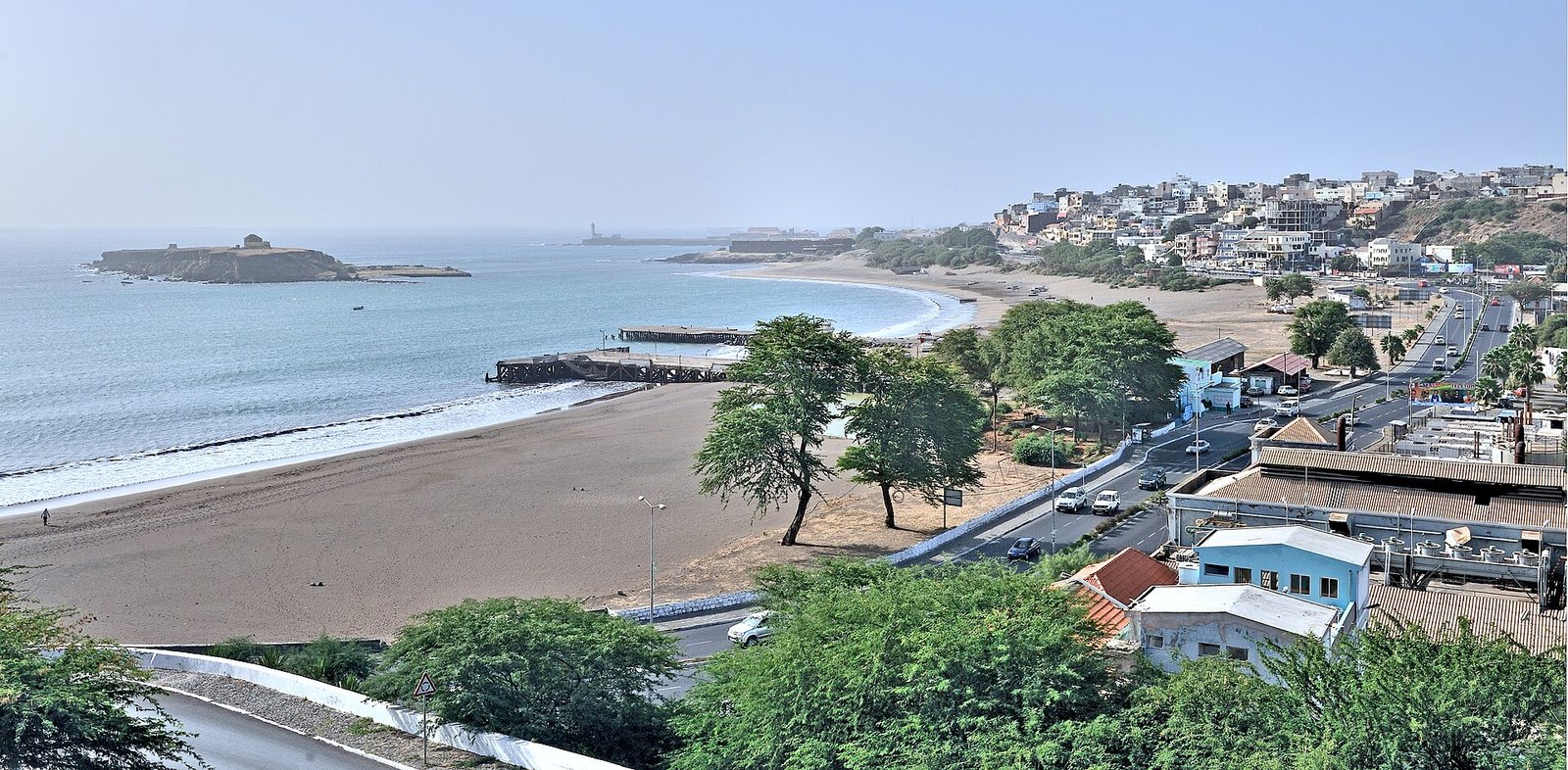
Praia's beaches are city beaches rather than postcard ones. **Quebra Canela** and **Prainha** are the main swimming spots, with the neighbourhoods of **Prainha** and **Achada Santo António** holding most mid-range hotels, embassies and restaurants. **Palmarejo** is the newer residential district with cafés and supermarkets.
Cidade Velha
Fifteen kilometres west, **Cidade Velha**, once Ribeira Grande, was the first European colonial town in the tropics and a key hub of the slave trade. It is a UNESCO World Heritage Site. Walk the **Rua Banana**, said to be among the oldest colonial streets in the tropics, see the ruined cathedral and the stone **pelourinho** where enslaved people were punished, then climb to the **Fortaleza Real de São Filipe** for wide sea views. It is moving and quiet, an easy half day.
The interior and the north
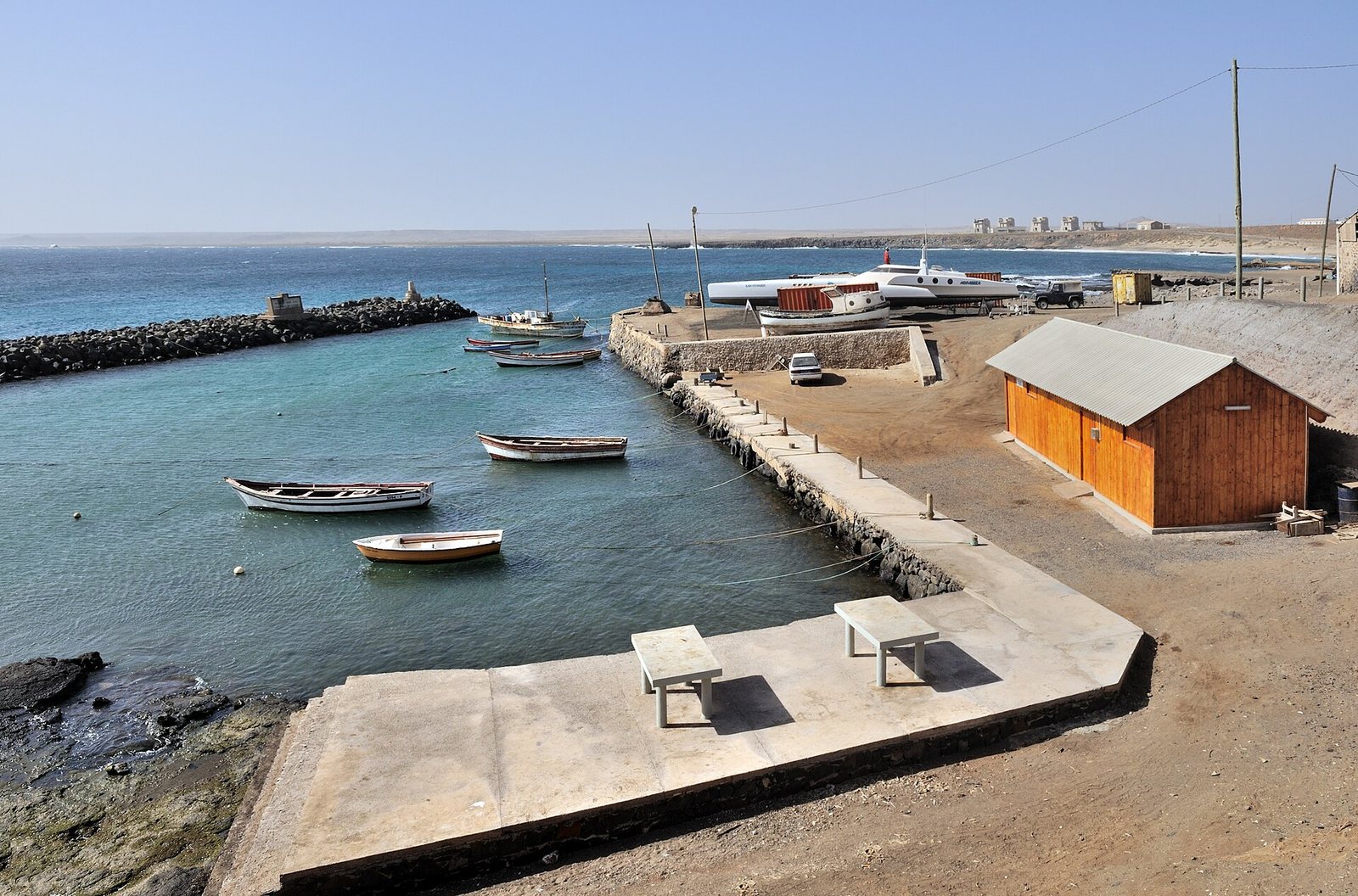
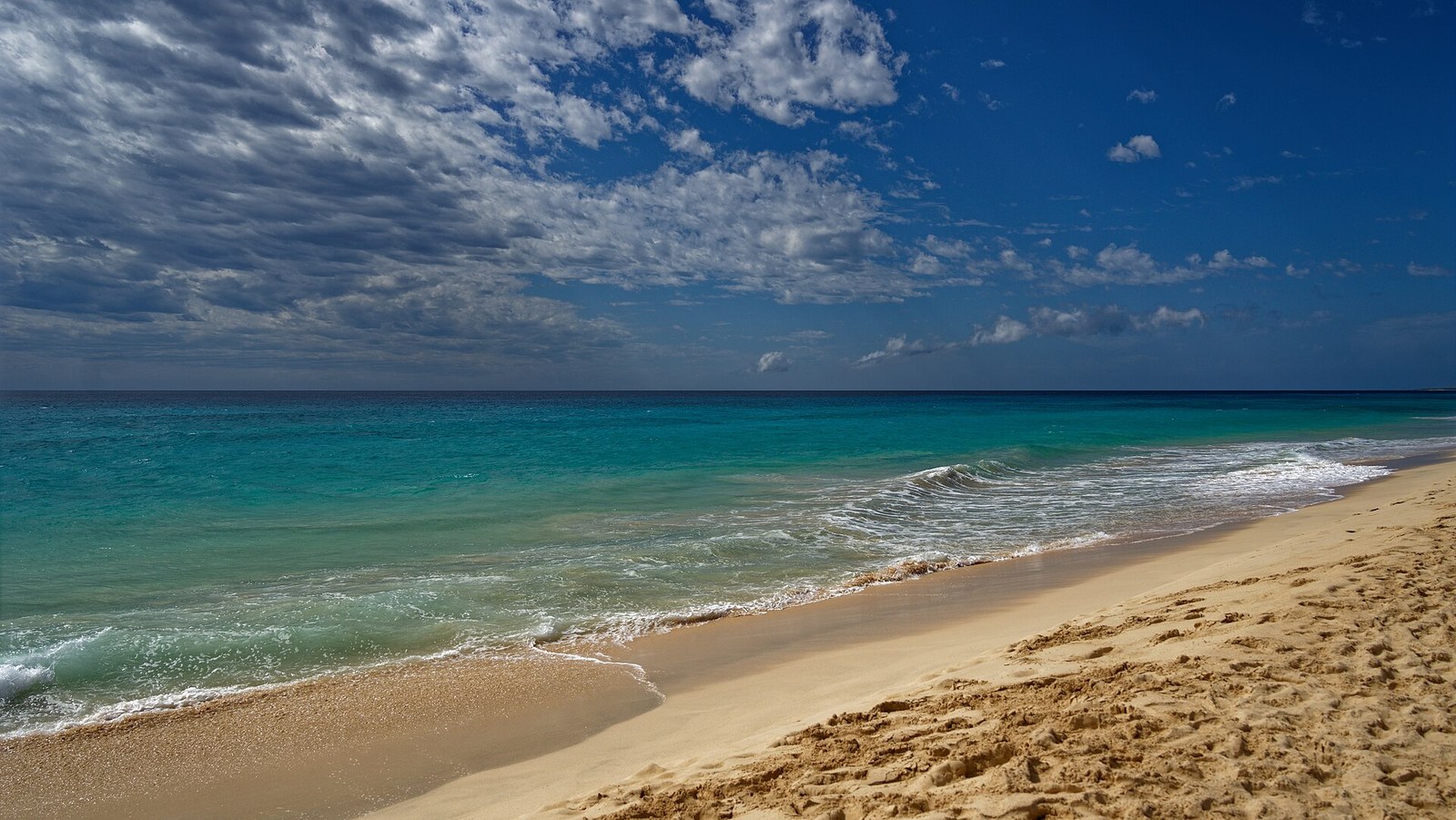
Hiace minibuses, called **aluguers**, climb from Praia through **São Domingos** and **Órgãos** to **Assomada**, a busy market town with a big Wednesday and Saturday market. **Serra Malagueta Natural Park** offers marked trails through mist and endemic plants, and the **Pico da Antónia** massif dominates the skyline. Beyond, the road drops to **Tarrafal**, a fishing town with a calm, sandy bay that is the island's best beach.
Near Tarrafal is the **Museu do Campo de Concentração**, the former political prison camp used by Portugal's dictatorship for prisoners from Portugal and its colonies. It is sobering and essential history.
Food and music
Santiago is the home of **cachupa**, the slow cooked stew of hominy maize, beans and fish or meat, and of **batuku**, the drum and chant music led by women, and **funaná**, the fast accordion dance music once banned by the colonial authorities. Look for live sessions at bars around the Plateau and Achada Santo António on weekend nights.
Staying safe in Praia
Praia has more street crime than the rest of the country. Take registered taxis after dark, avoid walking alone at night in quiet streets and on beaches, and do not carry more than you need. Neighbourhoods such as Achada Grande and parts of Várzea are best skipped by visitors at night. Check your government's current travel advice before you go.
Where to stay
The Plateau suits a short city stay close to the sights. Prainha and Quebra Canela suit those who want the sea nearby, and Tarrafal is the place to slow down for a few nights. Use the places to visit list for hotels, restaurants and music bars.
A suggested few days
Day one, walk the Plateau in the cool of the morning, browse the Mercado Municipal, lunch on cachupa and spend the afternoon at Quebra Canela. Day two, take a taxi to Cidade Velha early, before the heat, and return for an evening of live music. Day three, ride an aluguer up through São Domingos and the Órgãos valley to Assomada on market day, then continue to Tarrafal for two slow nights by the bay, with a morning hike in Serra Malagueta on the way back. The ride across the island is half the pleasure, passing dragon trees, banana groves and villages perched on ridges.
Getting there
Praia's Nelson Mandela International Airport has flights from Lisbon and several West African and diaspora routes, plus domestic flights to Sal, São Vicente, Fogo and Boa Vista. Ferries link Praia with Fogo and Brava. The airport is about fifteen minutes from the Plateau by taxi.
Questions about Praia and Santiago
Is Praia worth visiting?
Yes, for a day or two. It is the best place to understand modern Cabo Verde, and it is the base for Cidade Velha, the interior and Tarrafal.
How do I get from Praia to Cidade Velha?
By taxi in about twenty minutes, or by aluguer minibus from the stop near Sucupira market. Taxis can wait while you explore if agreed in advance.
Is Tarrafal good for swimming?
Yes. Its sheltered bay is one of the calmest swimming spots in the country, though always ask locally about currents.
How many days should I spend on Santiago?
Three nights covers Praia and Cidade Velha. Five lets you add the interior, Serra Malagueta and Tarrafal at an easy pace.
Facts checked . Fees, schedules and entry rules change, so always confirm the latest with the official source.