At a glance
- Best for
- Volcano climbing, wine, coffee and colonial architecture
- Gateway
- São Filipe airport (SFL) or ferry from Praia
- Time needed
- Three to four nights
- Best season
- November to June
- Getting around
- Aluguer minibuses and taxis
- Highest point
- Pico do Fogo, the country's highest peak
São Filipe
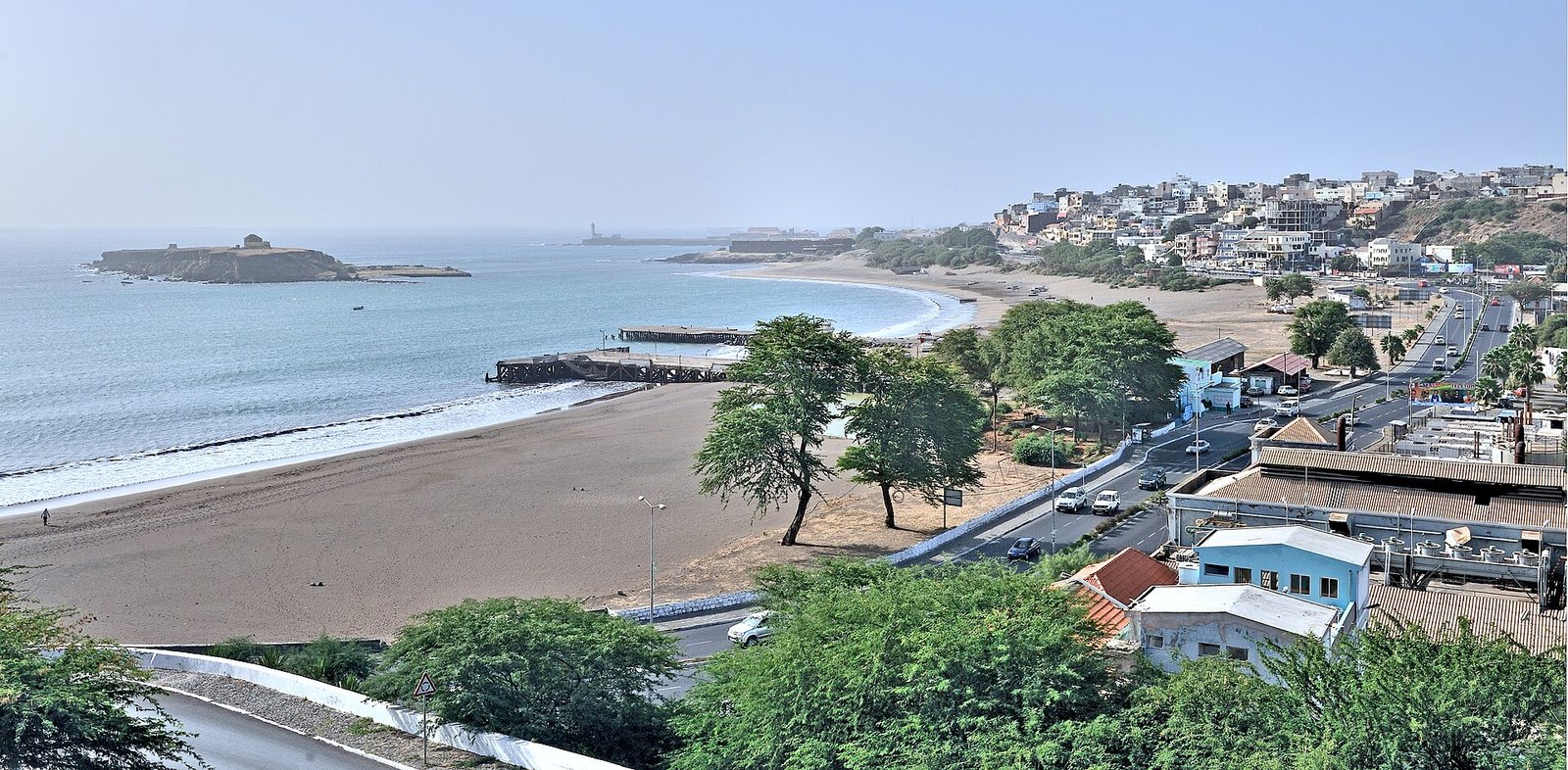
**São Filipe** perches on cliffs above a black sand beach on the west coast. Its colonial **sobrados**, two storey merchant houses with wooden balconies, line cobbled streets and squares filled with bougainvillea. Visit the small **Casa da Memória**, a house museum on local history, the **municipal museum**, and the old cemetery with its view across to Brava. The town beach, **Praia da Fonte Bila**, has striking black sand but powerful waves; swimming is often dangerous.
The town comes alive for the **Festa da Bandeira** around 1 May, the feast of São Filipe, with horse races, drumming, food and processions.
Chã das Caldeiras
The road from São Filipe climbs round the volcano's flanks to **Chã das Caldeiras**, the village inside the crater at about 1,700 metres. The 2014 to 2015 eruption buried much of the old village under lava, and many families have since rebuilt. Here you can taste the crater's **Manecom** and **Chã** wines, grown on vines rooted in volcanic ash, and local goat cheese. Guesthouses offer simple rooms and home cooking. Nights are cool, so bring a warm layer.
Climbing Pico do Fogo
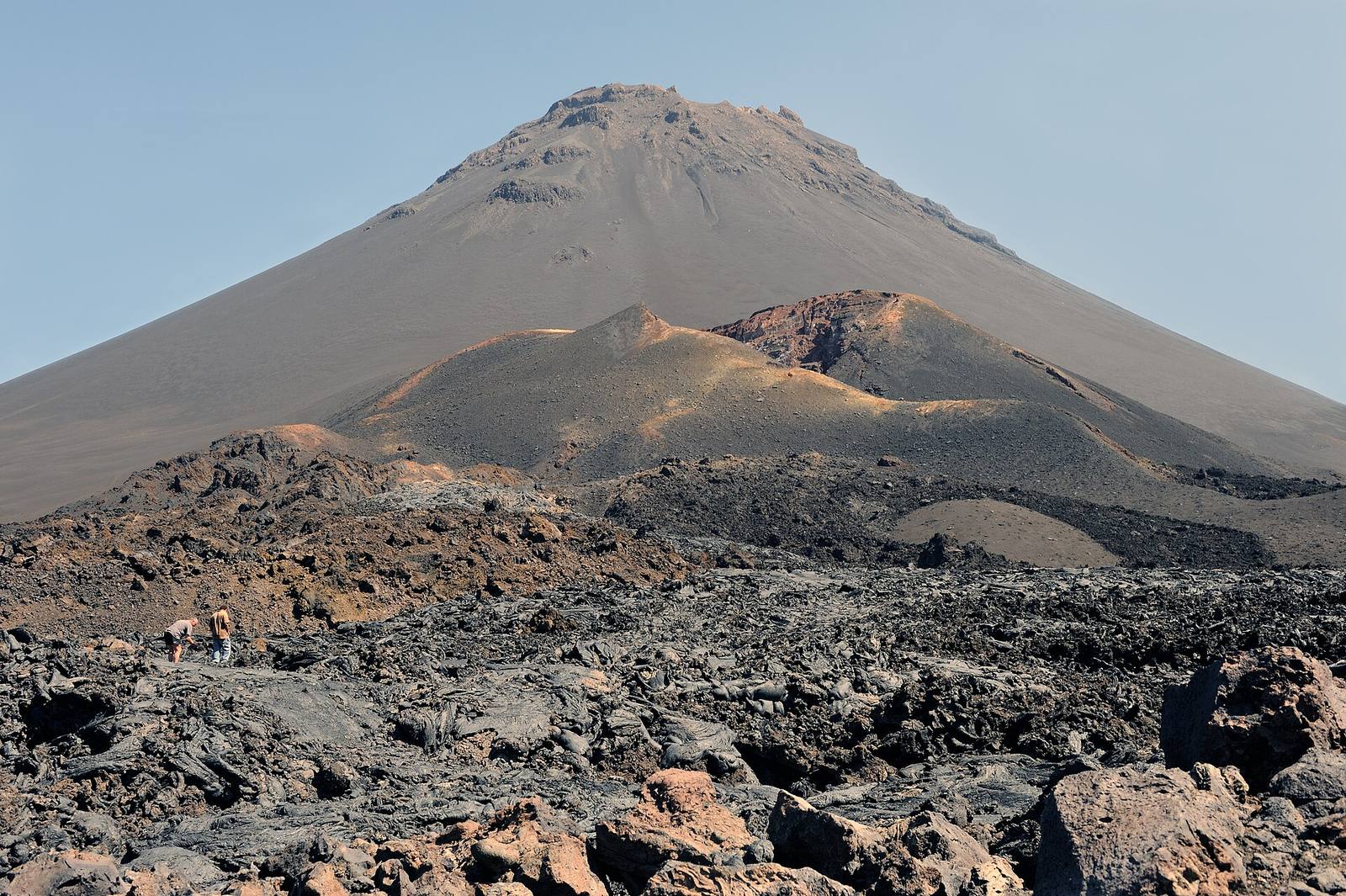
The ascent of **Pico do Fogo** starts early from Chã das Caldeiras and takes around three to four hours up a steep slope of loose cinder and rock, then a fast, fun run down the scree. Hire a licensed local guide: the route is not well marked and conditions change. Wear sturdy boots, carry plenty of water and sun protection, and turn back if fog or wind sets in. Shorter walks to **Pico Pequeno**, the vent of the recent eruption, suit those not up to the summit.
Coffee and the coast
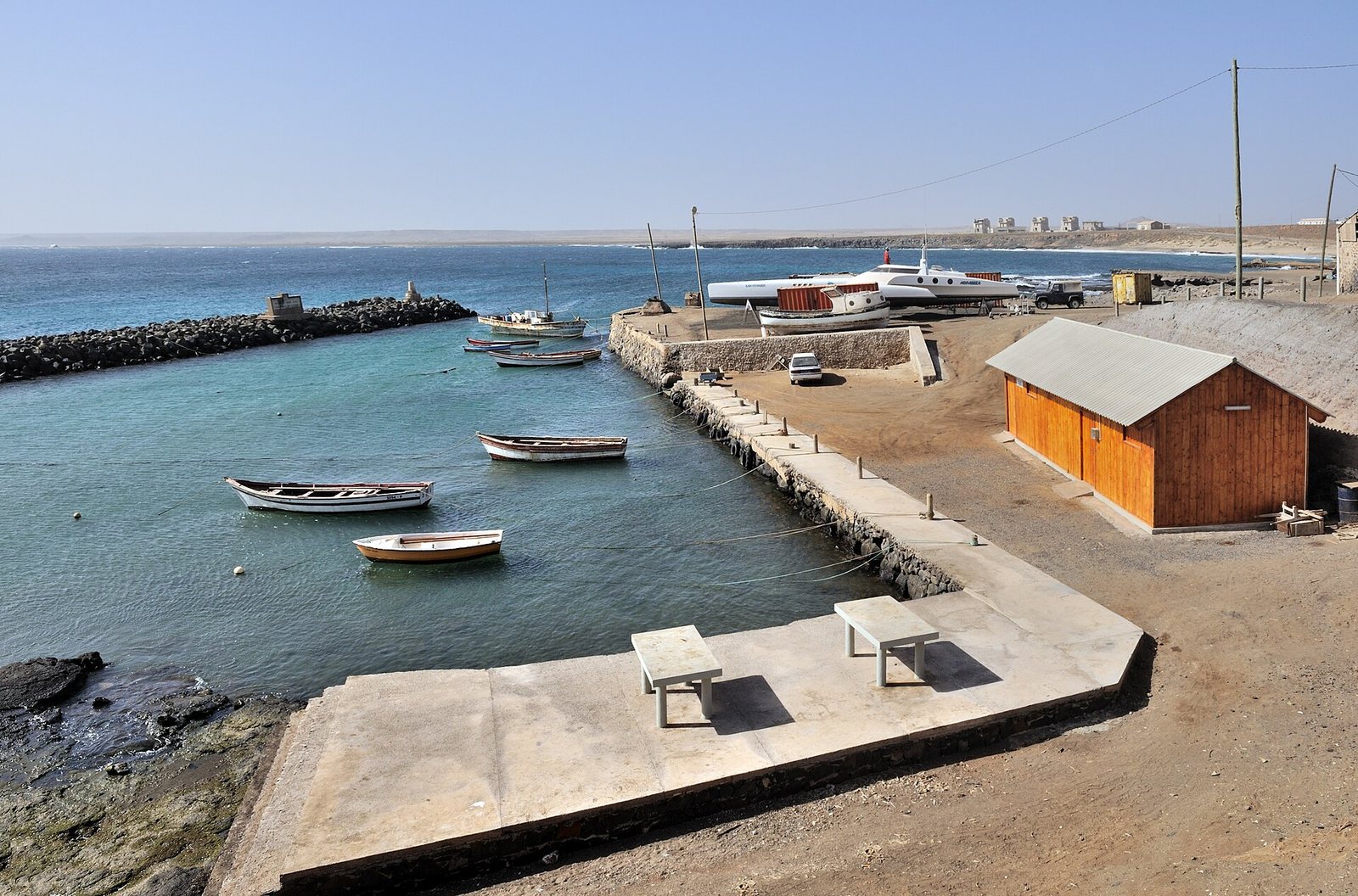
Fogo coffee, grown on the green north eastern slopes around **Mosteiros**, is prized. Some farms welcome visitors. The road around the island passes vineyards, cliffs and villages. Natural swimming spots are few, but at **Ponta da Salina** there are lava rock pools.
Getting there
Fogo has a small domestic airport near São Filipe, linked to Praia, and ferries run from Praia and to neighbouring **Brava**. Schedules change often, so check close to the date and allow a spare day. Aluguers run from São Filipe to Chã das Caldeiras mostly around midday, returning early in the morning.
Who it suits
Fogo is for adventurous travellers who enjoy walking, landscapes and slow village life. Combine it with Praia and Cidade Velha for a culture and volcano trip. Check volcanic activity advice from official sources before climbing, and use places to visit for guesthouses.
A suggested few days
Day one, explore São Filipe on foot, watching the sunset over Brava from the clifftop. Day two, ride an aluguer up to Chã das Caldeiras, taste wine and cheese and sleep in the crater. Day three, climb Pico do Fogo at dawn with a guide, run down the scree and rest in the afternoon. Day four, return to the coast via Mosteiros and the coffee slopes, or make a day trip by ferry to Brava, the smallest inhabited island, known for its flowers, cool climate and deep ties to New England.
Respect the landscape
The crater is a protected natural park. Keep to paths, take rubbish away with you and ask before photographing people in their homes and fields.
Questions about Fogo
Can I climb Pico do Fogo without a guide?
It is strongly advised to go with a licensed local guide. The route is steep and unmarked in places, and weather changes fast.
Is Fogo volcano still active?
Yes. It last erupted in 2014 to 2015. Check official advice on volcanic activity before you travel.
How do I get to Fogo?
By domestic flight from Praia to São Filipe or by ferry from Praia. Both depend on weather and schedules, so build in a spare day.
Can I swim on Fogo?
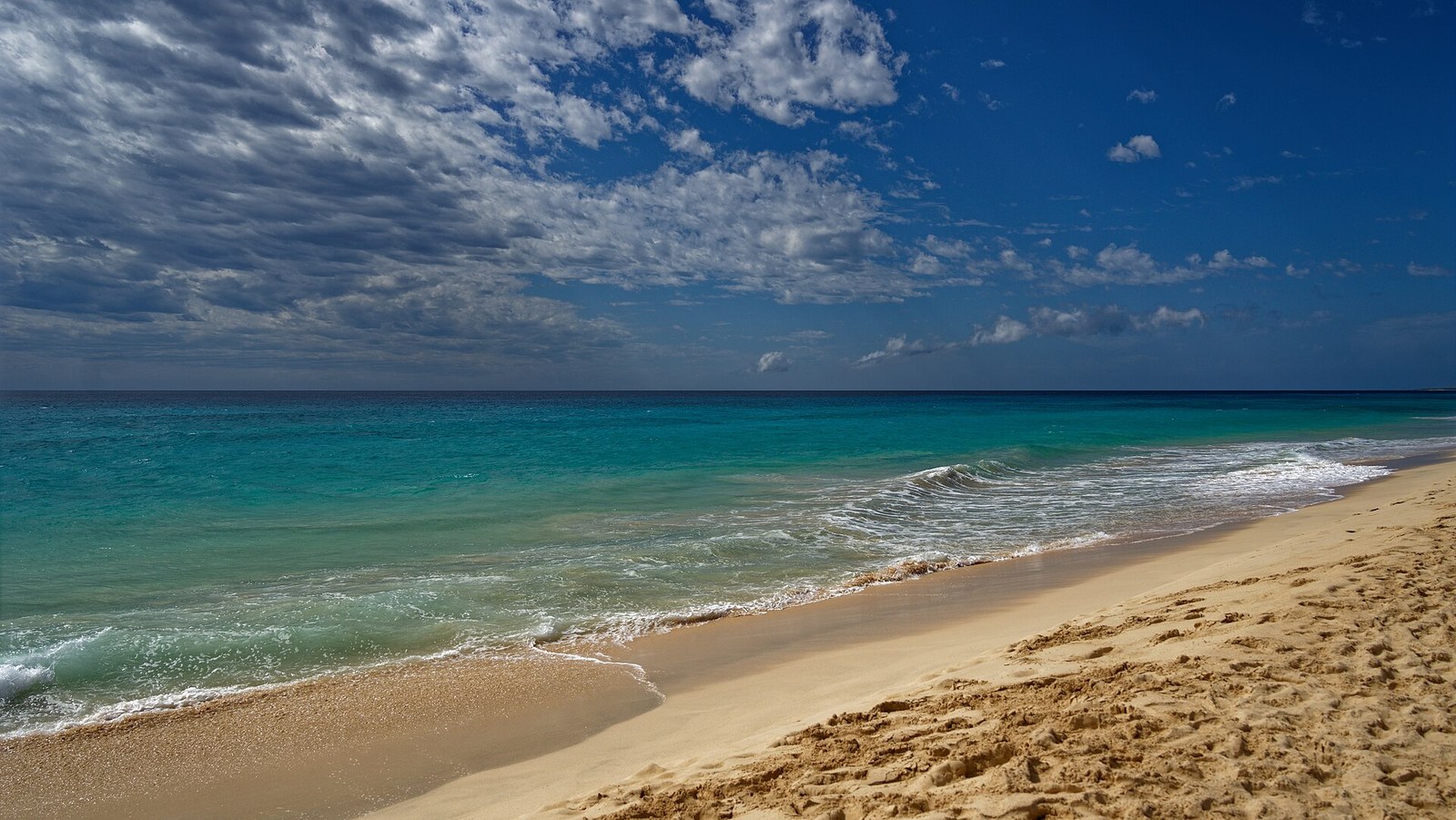
The black sand beaches usually have strong waves. Swim only in calm conditions or natural pools and ask locally first.
Facts checked . Fees, schedules and entry rules change, so always confirm the latest with the official source.