The capital
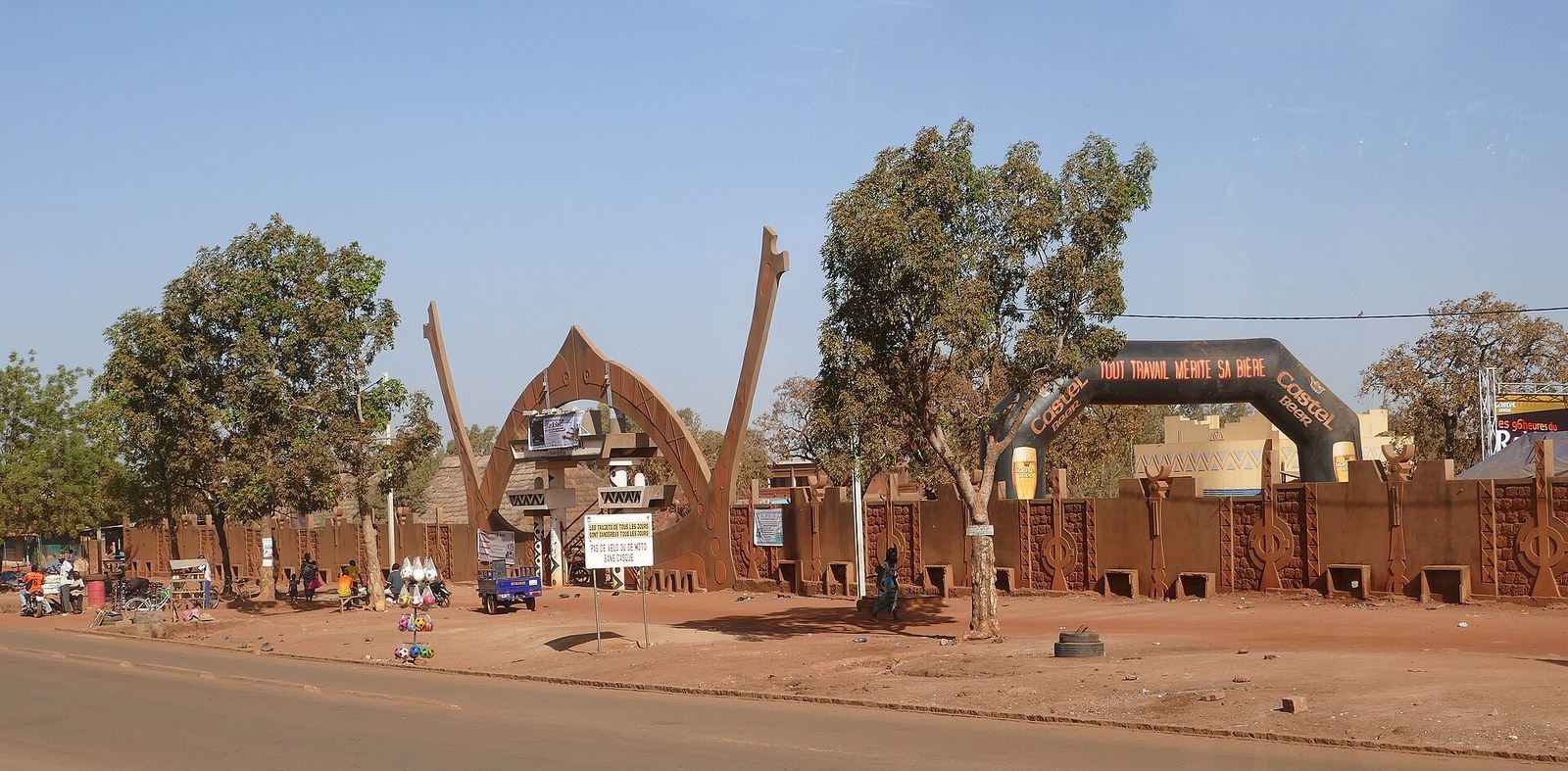
Ouagadougou, usually shortened to Ouaga, is where almost every trip starts and where most visitors now spend their time. It is the seat of government, home to the main international airport and the host of FESPACO, the great African film festival. Expect wide boulevards, busy markets, lively maquis and a strong arts scene, with tighter security than anywhere else in the country.
The cultural second city
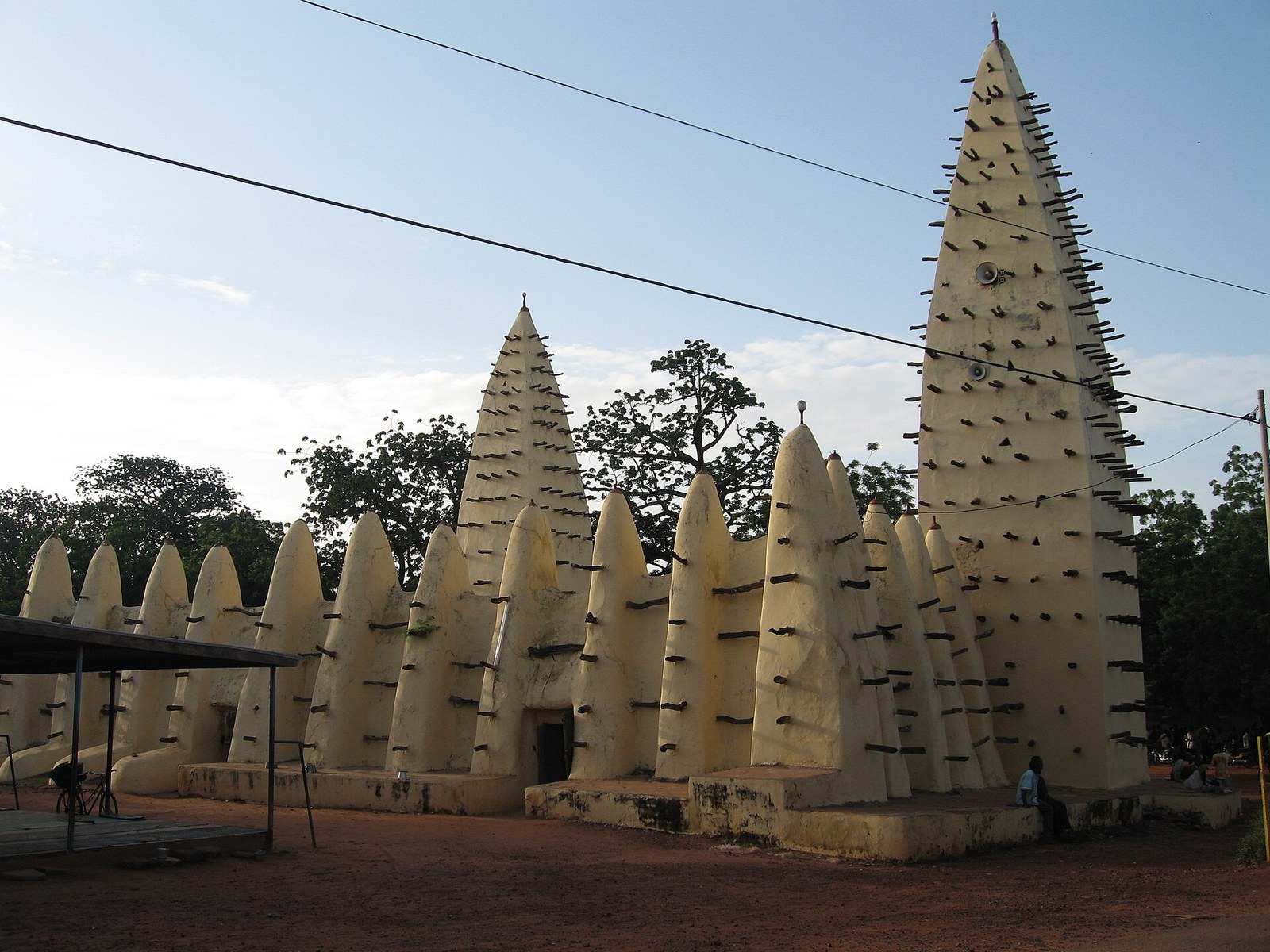
Bobo-Dioulasso, in the west, is greener and more relaxed than the capital. Its Grand Mosque, built of mud brick in the Sudano-Sahelian style, and the old Kibidwé quarter are its best-known sights, and the city is famous for balafon and djembe music. Check current advice on the road from Ouagadougou before planning to travel there.
The green southwest
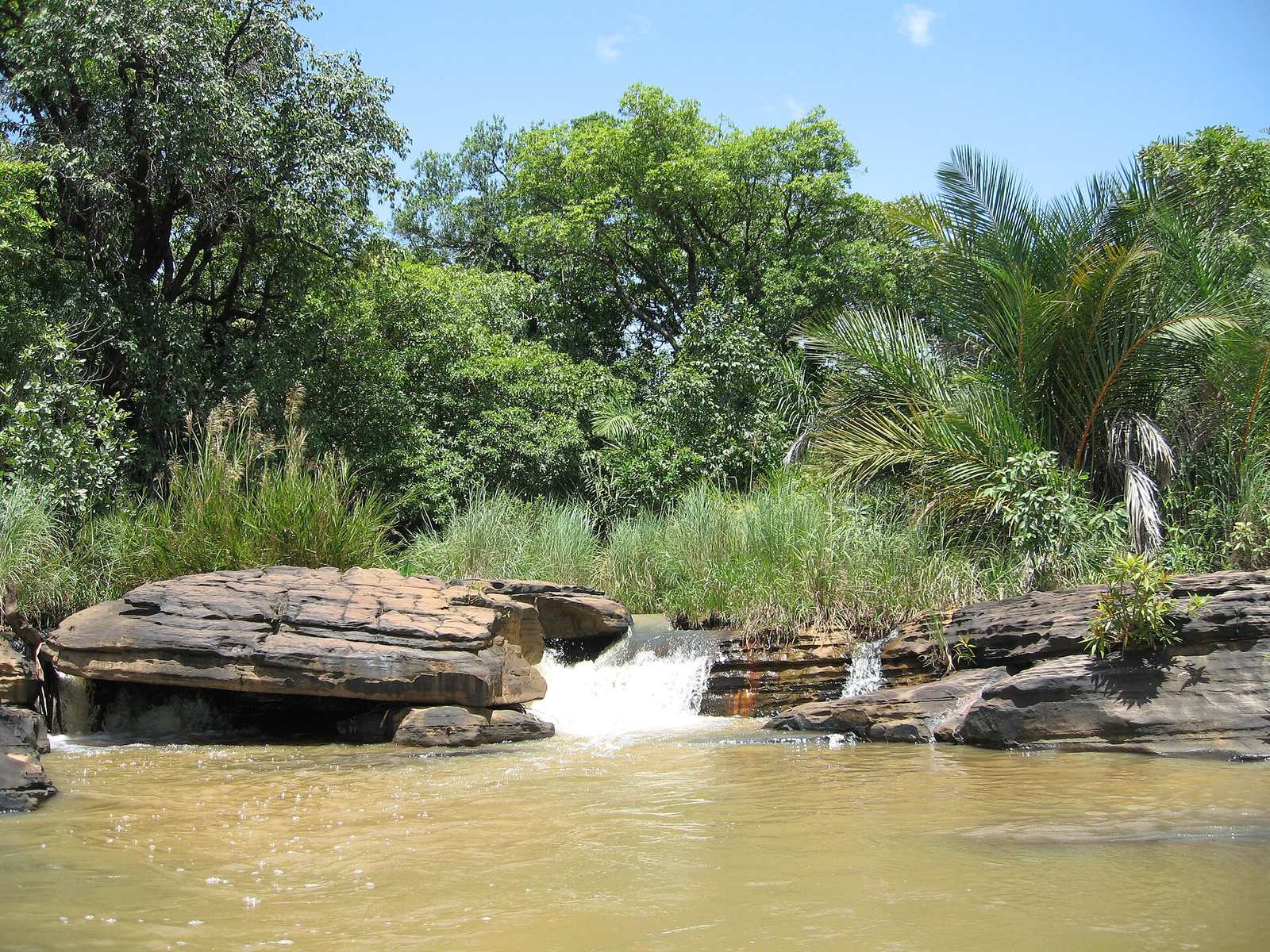
Banfora, capital of the Cascades region, was once the country's favourite nature escape: the Karfiguéla waterfalls, the Domes of Fabédougou, Lake Tengréla with its hippos and, further west, the Sindou Peaks. Several governments now advise against travel here, so this guide explains what the area offers and what to check first.
The painted houses of the south
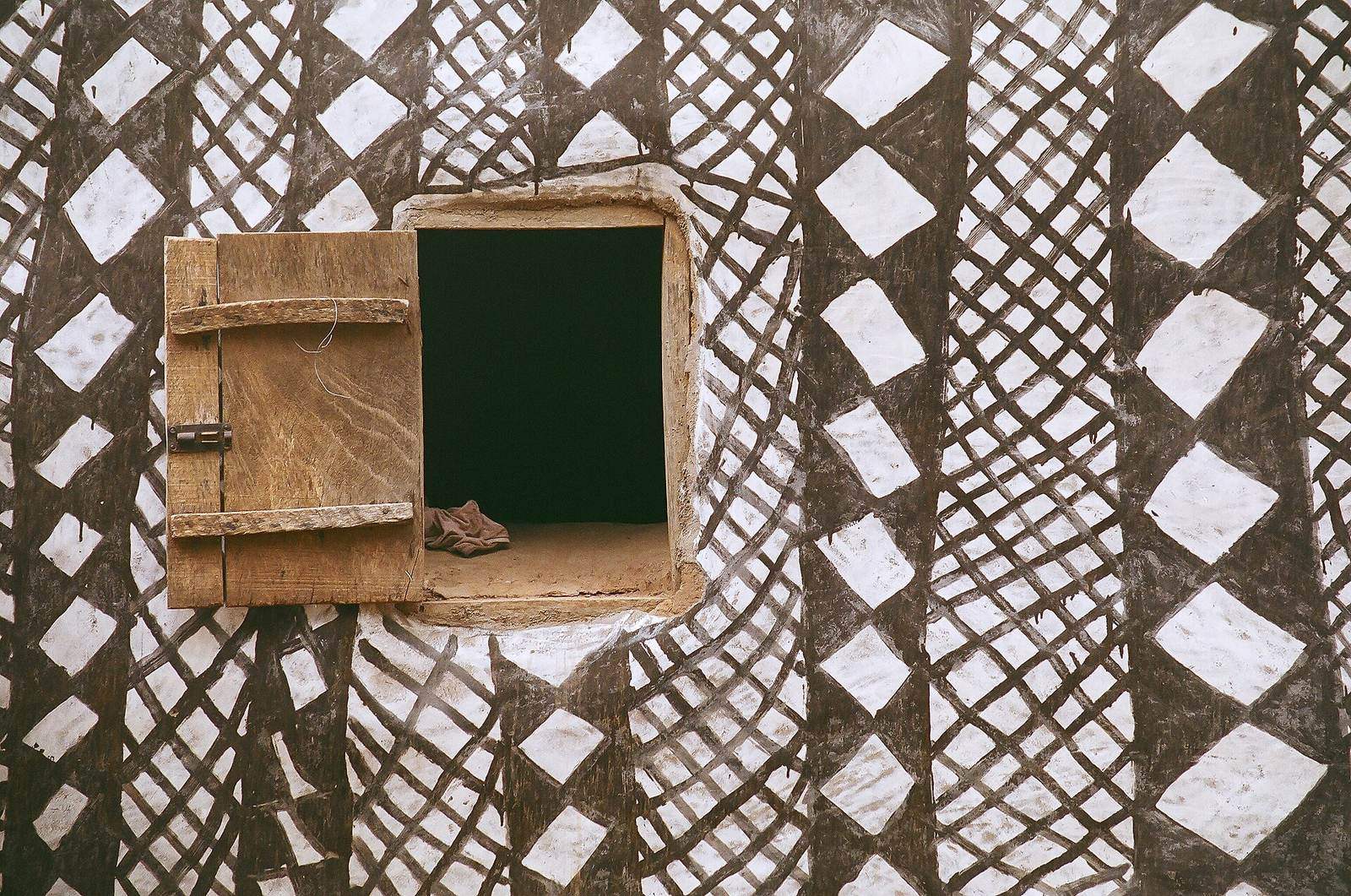
Tiébélé, close to the Ghana border, is home to the royal court of the Kassena people, whose earthen houses are painted by women in bold geometric designs. It is one of the most photographed places in West Africa, and current travel advice for the area is strict, so treat it as a place to read about until conditions change.
Planning around the advice
Travel advice for Burkina Faso changes often, and large parts of the north and east are off limits for any visitor. Before you choose where to go, read your government's advice, check your insurance and keep plans flexible. Our free trip planner can help you build a realistic plan, and you can see food, culture and stays on our places to visit page.