At a glance
- Best for
- Food, museums, nightlife and visiting family
- Gateway
- Guarulhos (GRU) for long haul, Congonhas (CGH) for domestic flights
- Time needed
- Two to four days
- Best season
- April to October, though the city works all year
- Getting around
- Metro, trains and ride apps
- Local name
- Locals are called paulistanos
The neighbourhoods to know
- **Avenida Paulista** is the main artery, lined with banks, cultural centres and the MASP museum. On Sundays it closes to cars and becomes a giant street party.
- **Jardins** is the smart area just south of Paulista, with leafy streets, boutiques and fine dining.
- **Pinheiros and Vila Madalena** are the creative neighbourhoods, full of bars, street art, independent shops and live music.
- **Liberdade** is the historic Japanese district, now home to Chinese and Korean communities too, with lantern lined streets and a weekend street food fair.
- **Centro** holds the old cathedral, the Municipal Market, the Copan building and the Theatro Municipal. It is fascinating by day but best explored with care.
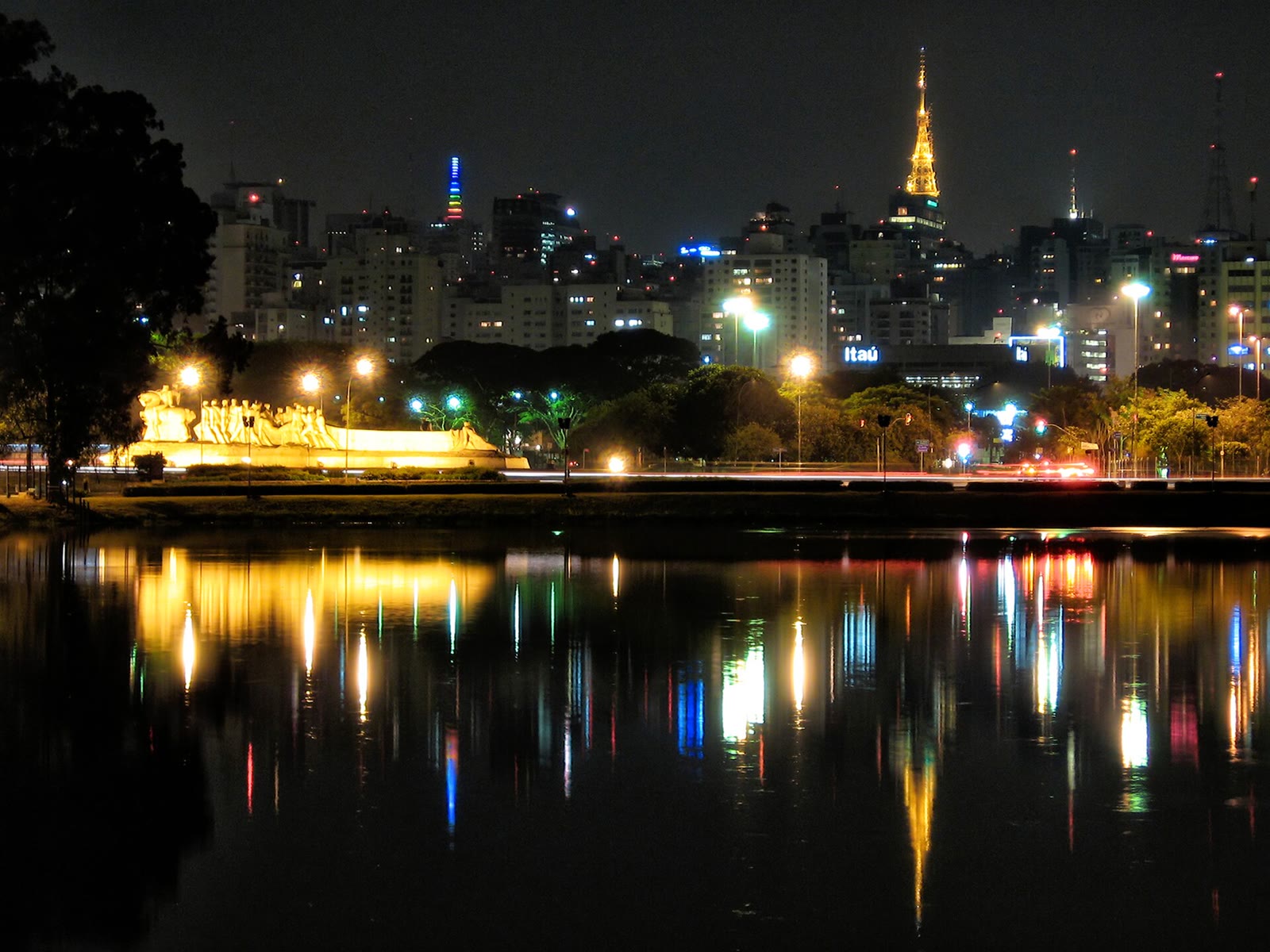
- **Ibirapuera** is the great park, ringed by museums and Niemeyer buildings.
What to do
Eat. São Paulo has a restaurant for every cuisine and every budget, from the famous mortadella sandwich at the Mercado Municipal to some of the most celebrated tasting menus in Latin America. Try a pizza, which paulistanos take extremely seriously, a Japanese meal in Liberdade and a classic Brazilian lunch of rice, beans and steak at a neighbourhood lanchonete.
Between meals, see the MASP collection, the Pinacoteca, the Museu Afro Brasil and the interactive Museu do Futebol. Wander the street art of Beco do Batman, spend a morning running or cycling in Ibirapuera, and catch live samba, jazz or electronic music at night. On Sundays, browse the antiques market under MASP and join the crowds on Paulista.
Getting around
The metro and suburban trains are efficient, clean and the best way to beat traffic, which can be extreme at rush hour. Ride apps are cheap and convenient, especially at night. Guarulhos airport is a long way from the centre, so allow plenty of time, and use the airport train link or a ride app.
Staying safe
As in any huge city, petty crime is the main risk. Keep phones out of sight on the street, be careful around the centre, Luz and Praça da Sé after dark, and use ride apps rather than walking empty streets at night. Read your government's travel advice before you go.
A day in São Paulo
Start with coffee and pão de queijo in Pinheiros, take the metro to the Mercado Municipal for a mortadella sandwich, then walk to the Pinacoteca and Jardim da Luz. In the afternoon, see MASP on Avenida Paulista and stroll into Jardins. Finish with dinner in Vila Madalena and live samba at a neighbourhood bar.
When to visit
São Paulo works all year. Summer brings afternoon storms, winter can be cool at night. The Pride march, the São Paulo Biennial in some years and the Formula One Grand Prix at Interlagos are big events.
Where to stay
First-timers usually stay around Avenida Paulista, Jardins or Pinheiros, close to the metro and the best restaurants. Vila Madalena suits a younger, nightlife focused stay. See our places to visit for food and drink picks, and use the free trip planner to fit the city into your route.
Questions about São Paulo
Is São Paulo worth visiting?
Yes, especially for food, art and nightlife. It has no beaches, but many travellers find it more rewarding than they expected.
How many days should I spend in São Paulo?
Two to three days covers the main museums, neighbourhoods and a good spread of restaurants. Stay longer if you are visiting family or love food.
How do I get from Guarulhos airport to the city?
Use the airport train link, an official airport taxi or a ride app. Traffic can make the trip long, so leave extra time for your return flight.
Is São Paulo safe?
The main risk is phone snatching and petty theft. Stay in well known areas such as Paulista, Jardins and Pinheiros, and use ride apps at night.
Where can I go near São Paulo?
Popular escapes include the beaches of Ilhabela and Ubatuba on the north coast, and the mountain town of Campos do Jordão.
Facts checked . Fees, schedules and entry rules change, so always confirm the latest with the official source.