At a glance
- Best for
- Palaces, museums, music, coffeehouse culture and food
- Main airport
- Vienna International (VIE), about sixteen minutes by City Airport Train
- Time needed
- Three to four days
- Best season
- April to June, September to October, and late November to December for Christmas markets
- Getting around
- U-Bahn, trams, buses and walking
- Good base for
- The Wachau valley, Bratislava, Baden and the Vienna Woods
Why go
Vienna rewards slow travel. In a single day you can walk through the Hofburg, the winter palace of the Habsburgs, stand under the roof tiles of St Stephen's Cathedral, see Klimt's The Kiss at the Belvedere and finish with a glass of local white wine in a vineyard tavern on the city's edge. Few capitals mix grandeur and everyday comfort so well.
The Innere Stadt and the Ring
The **Innere Stadt** (first district) is the old centre, ringed by the **Ringstrasse**, the grand boulevard built in the nineteenth century where the city walls once stood. Inside are St Stephen's Cathedral, the Graben and Kärntner Strasse shopping streets, the Hofburg with the Imperial Apartments, the Sisi Museum and the Spanish Riding School, and the Albertina gallery. Along the Ring sit the State Opera, the Parliament, the City Hall and the twin museums of art and natural history around Maria-Theresien-Platz. Tram lines 1 and 2 circle much of the Ring and make a cheap, easy sightseeing ride.
Palaces and museums
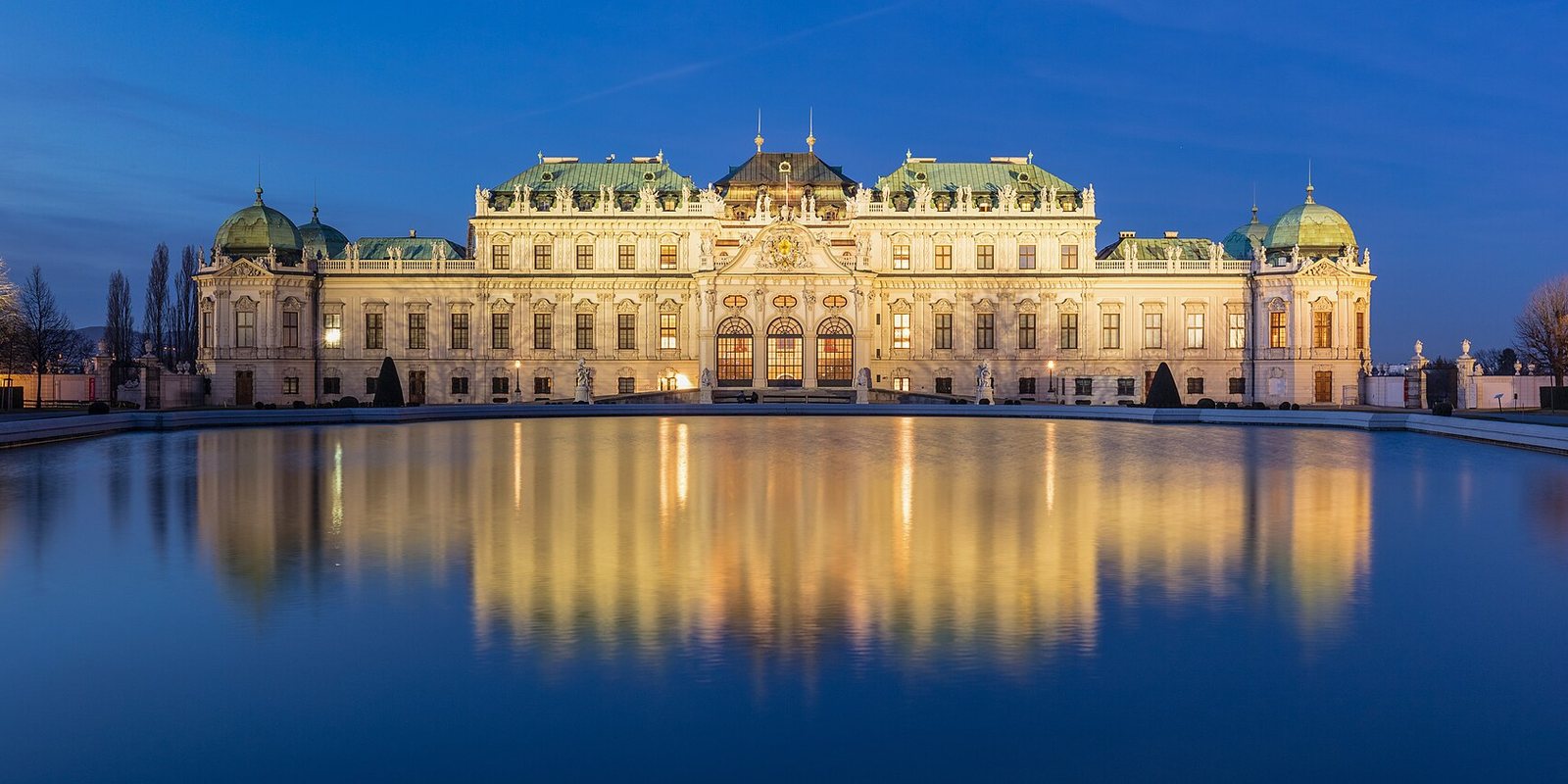
**Schönbrunn Palace**, the Habsburg summer residence, is the most visited sight in the country. Book a timed ticket online, then leave time for the free gardens and the climb to the Gloriette for the view. The **Belvedere** holds the largest Klimt collection in the world. The **MuseumsQuartier** gathers the Leopold Museum, famous for Egon Schiele, and the modern art museum mumok around lively courtyards. The **Kunsthistorisches Museum** is one of Europe's great old master galleries, with a café under its dome.
Coffeehouses, markets and food
Viennese coffeehouse culture is listed by UNESCO as intangible heritage. Order a melange, read the papers and stay as long as you like at classics such as Café Central, Café Hawelka or Café Sperl. The **Naschmarkt** is the city's best known market, lined with stalls and small restaurants, and on Saturdays a flea market spreads out beyond it. For lunch, look for the Mittagsmenü, a set lunch that is good value. Try Wiener Schnitzel, Tafelspitz (boiled beef with apple horseradish), Sachertorte and a sausage from a Würstelstand late at night.
Beyond the centre
The **Prater** park has the giant Ferris wheel from 1897, a funfair and long tree-lined avenues. The **Danube Island** is the city's summer beach. In the hills of **Grinzing**, **Nussdorf** and **Stammersdorf**, family wine taverns called Heurigen serve their own young wine with cold buffets. Take tram D to Nussdorf and walk up through the vineyards for a view over the whole city. The **Naschmarkt** area, **Neubau** (seventh district) and **Leopoldstadt** across the canal are good for independent shops, bars and modern restaurants.
Music
Vienna is the city of Mozart, Beethoven, Haydn, Schubert and Strauss. The State Opera sells cheap standing places on the day for most performances, and the Musikverein and Konzerthaus host concerts most nights from autumn to spring. Avoid the costumed sellers on the street offering concert tickets: buy from the venue's official site.
Where to stay
First-timers do well in the first district or just outside the Ring in **Neubau**, **Mariahilf** or **Wieden**, close to the U-Bahn. **Leopoldstadt** near the Prater is a good mid-range option. Vienna charges a city tourist tax per night, added by your hotel.
Getting around
The U-Bahn, trams and buses run by Wiener Linien are frequent, clean and simple. Buy a 24, 48 or 72 hour ticket or a weekly pass, and validate single tickets before you board. Ticket checks are common and fines are issued on the spot. From the airport, choose the express City Airport Train or the cheaper ÖBB S-Bahn and Railjet trains. Plan your days with the free trip planner and browse our places to visit for cafés and Heurigen.
Questions about Vienna
How many days do I need in Vienna?
Three full days covers the palaces, the old centre, a museum or two and a Heuriger evening. Four or five days lets you add a day trip to the Wachau valley or Bratislava.
Is Vienna expensive?
It is mid-range for a Western European capital. Public transport passes, set lunches and free sights such as the Schönbrunn gardens help keep costs reasonable.
Is Vienna safe at night?
Yes, it is one of the safest capitals in Europe. Watch for pickpockets on busy U-Bahn lines and around Karlsplatz and Praterstern, and keep your phone secure in crowds.
When are the Vienna Christmas markets?
They usually open in mid to late November and run until just before or after Christmas. The Rathausplatz and Schönbrunn markets are the best known; check each market's own dates.
Facts checked . Fees, schedules and entry rules change, so always confirm the latest with the official source.