At a glance
- Best for
- Lakes, hiking, swimming, photography and village life
- Nearest airports
- Salzburg, then Linz and Vienna
- Time needed
- Two to three days
- Best season
- May to October, with quieter weeks in spring and autumn
- Getting around
- Regional trains, post buses, lake ferries and cable cars
- Good base for
- Hallstatt, Bad Ischl, St Wolfgang, Gosau and the Dachstein caves
Why go
Clear lakes you can swim in, villages with onion-domed churches, cable cars to high plateaus and a salt-mining history that goes back seven thousand years: the Salzkammergut has a lot packed into a small area. It works in every season, from summer swims to misty autumn walks and snowy Advent markets.
Hallstatt
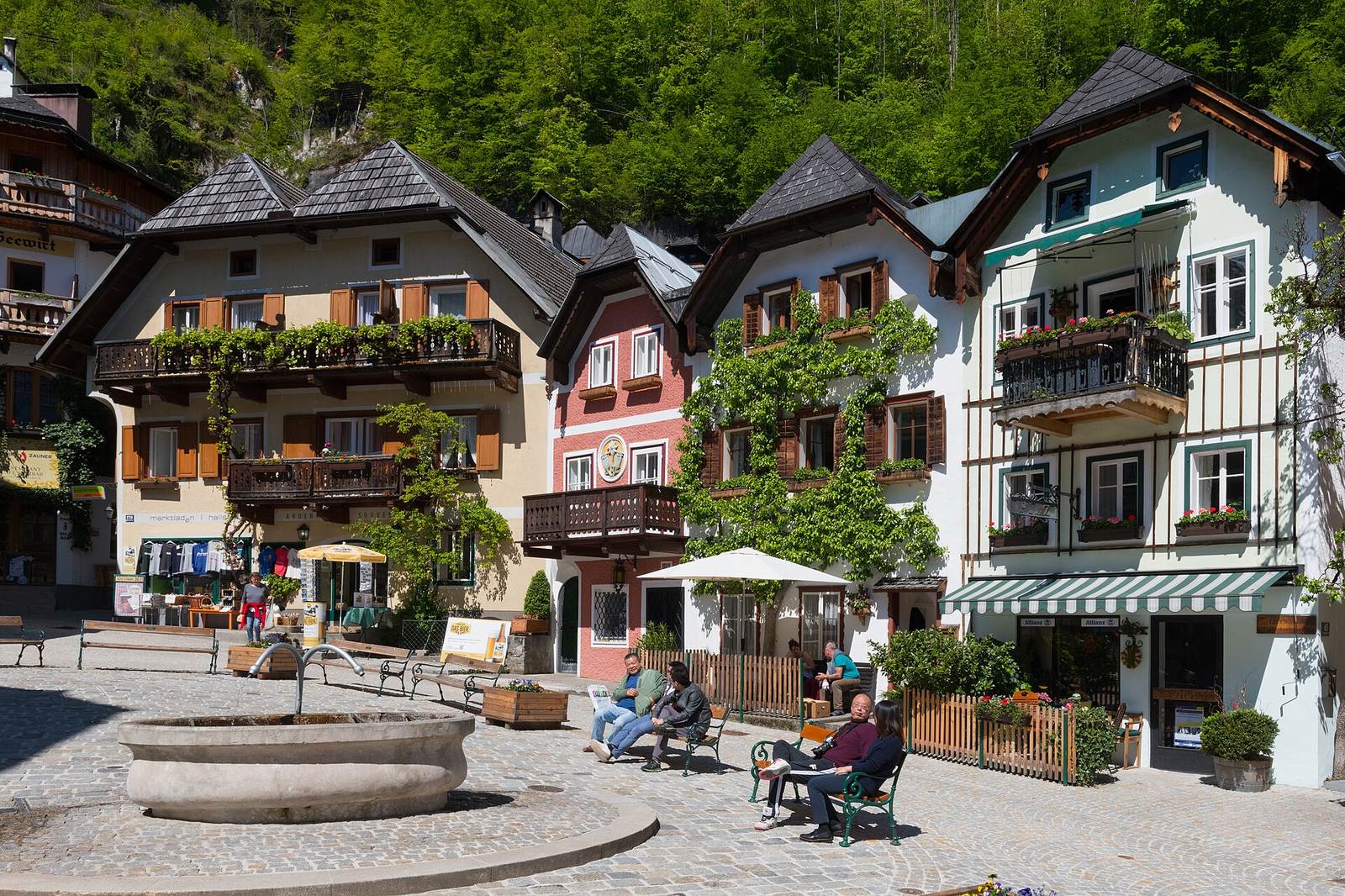
**Hallstatt** sits on a narrow strip of shore below steep mountains. It became so famous on social media that day visitors crowd its few lanes from late morning, and the village has introduced measures to manage coach traffic. Go early or late, or stay the night, to see it calm. Ride the funicular up to the **Salzwelten** salt mine, among the oldest in the world, with miners' slides and an underground lake, and walk the **Skywalk** platform for the view over the lake. The small **Beinhaus**, a charnel house with painted skulls, and the **Hallstatt Museum** tell the village's long story. Please respect residents: private homes are not attractions, and drones are restricted.
Dachstein and Obertraun
Across the lake at **Obertraun**, the Dachstein Krippenstein cable car climbs to the **Giant Ice Cave**, the **Mammoth Cave** and the **Five Fingers** viewing platform, which juts out over a sheer drop with Hallstatt far below. The caves open from spring to autumn and are cold inside, so bring a warm layer.
Bad Ischl, St Wolfgang and the other lakes
**Bad Ischl** was the summer home of Emperor Franz Joseph and Empress Sisi; visit the **Kaiservilla** and eat cake at **Konditorei Zauner**. It is a convenient transport hub. **St Wolfgang** on the Wolfgangsee has a pilgrimage church with a famous Gothic altar and the cogwheel railway up the **Schafberg**, where on a clear day you can count a dozen lakes. **St Gilgen** and **Strobl** share the same shore. **Gosau** has a lake with a classic view of the Dachstein glacier, and **Gmunden** on the Traunsee is known for its painted ceramics and the lake castle Schloss Ort. The **Altaussee** and **Grundlsee** lakes in Styria are quieter and loved by locals.
Food
Look for fresh lake fish, especially **Reinanke** (whitefish) and **Saibling** (char), often grilled or smoked. Bad Ischl and Gmunden are good for traditional cakes and pastries.
Getting there and around
Hallstatt's railway station is across the lake; a small ferry meets most trains. From Salzburg, take post bus 150 to Bad Ischl and connect to the regional train, or go by train via Attnang-Puchheim. Post buses and lake ferries link the villages, but services thin out in winter, so check timetables. Parking near Hallstatt is limited and fills fast in summer. Browse our places to visit and use the free trip planner to fit the lakes into a route with Salzburg.
Tips for a smooth visit
Plan at least one night in the region and use buses and ferries rather than driving into Hallstatt. Many cable cars and caves close in winter, but the lakes are beautiful under snow, and Advent markets on the water are magical. Bring swimwear in summer and good shoes for lake paths. Buy a regional guest card if your accommodation offers one, as it often includes buses and discounts on boats and lifts.
Questions about Hallstatt and the Salzkammergut
Is Hallstatt worth visiting with the crowds?
Yes, if you plan around them. Arrive before nine or stay overnight, and spend the busy middle of the day at the salt mine or the Dachstein caves.
How do I get to Hallstatt without a car?
By train to Hallstatt station and then the short ferry across the lake, or by post bus from Salzburg or Bad Ischl. Check timetables, especially in winter.
Can you swim in the Salzkammergut lakes?
Yes. Many lakes have public bathing areas, called Strandbad, and the water warms up nicely in July and August.
Which Salzkammergut lake is quietest?
Altaussee, Grundlsee and Gosau feel calmer than Hallstatt and Wolfgangsee, especially on weekdays.
Facts checked . Fees, schedules and entry rules change, so always confirm the latest with the official source.