At a glance
- Best for
- Shopping, old town history, food and an easy first base
- Nearest airports
- Barcelona and Toulouse, about three hours by coach
- Time needed
- One to two days
- Best season
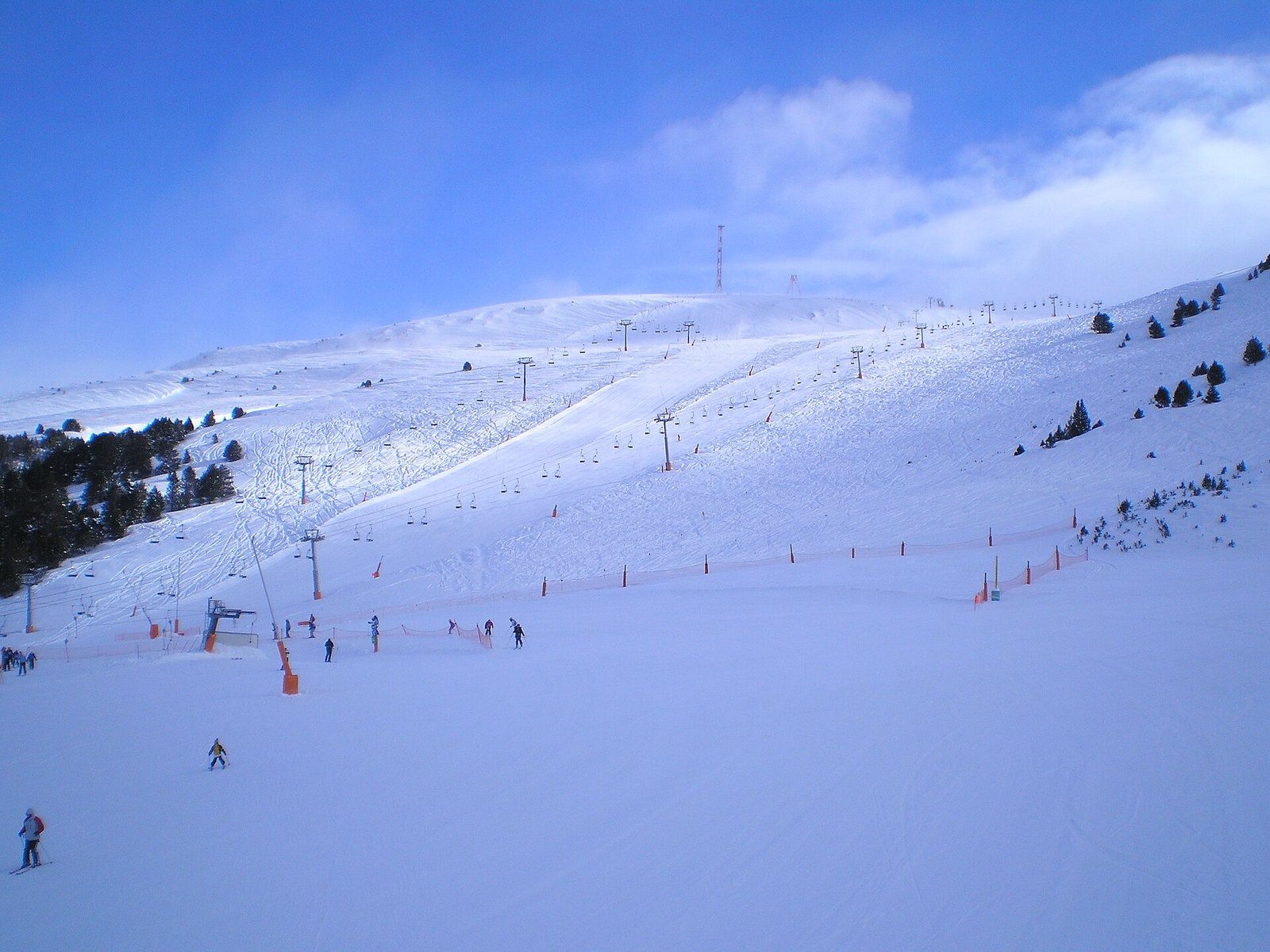
- June to September for walking, December to March for ski trips
- Getting around
- Walking, national buses and taxis
- Good base for
- Caldea, Santa Coloma, the Madriu valley and day trips to every parish
Why go
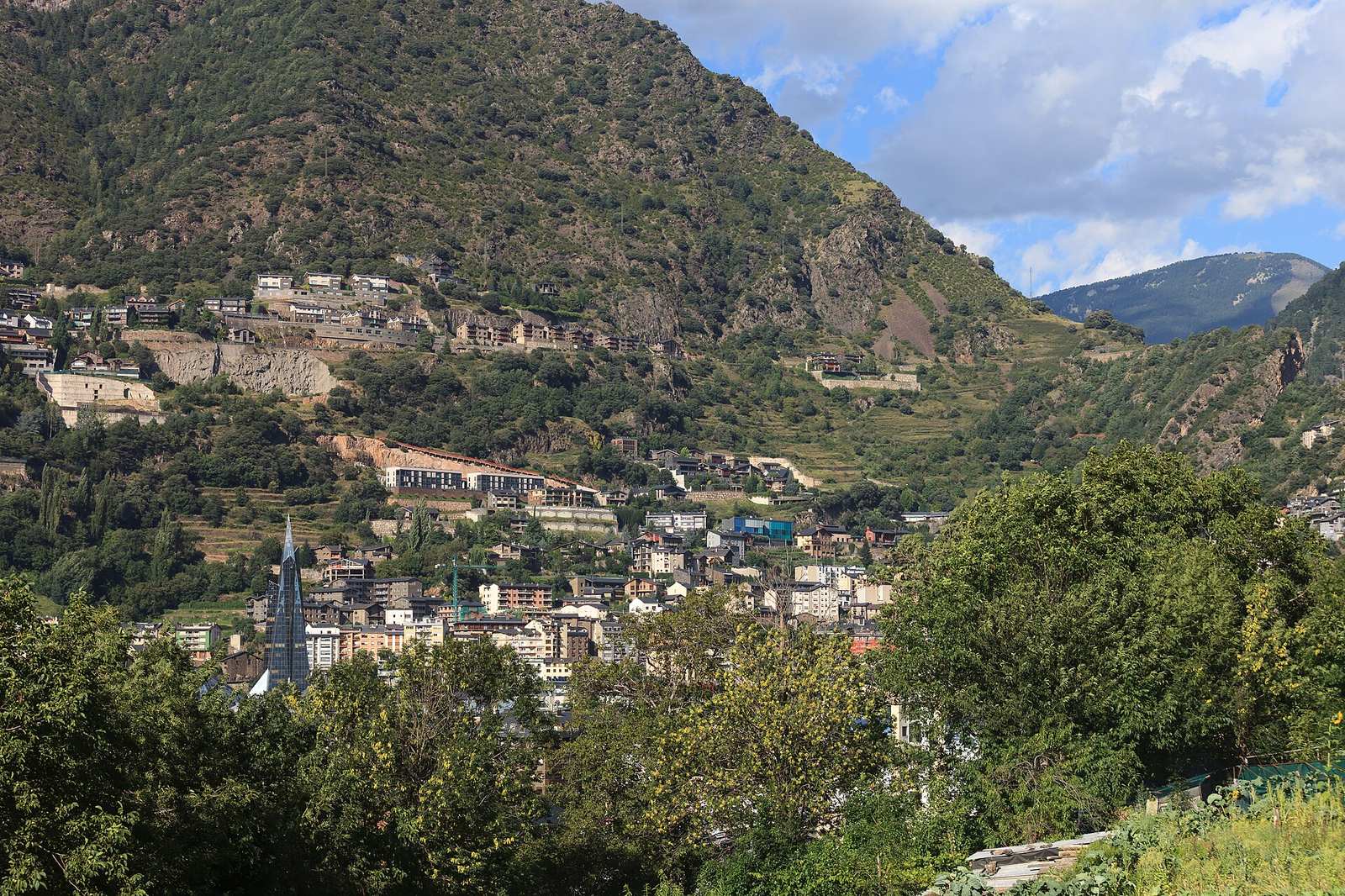
Most visitors pass through Andorra la Vella, and it is worth slowing down. Within a few streets you can see the old stone parliament house, walk lanes that have hardly changed in centuries, browse tax-free shops, eat a mountain lunch in a converted barn and be on a forest trail within half an hour. It is also the easiest base if you are arriving by coach without your own transport, since the main bus station is here and national buses fan out to every parish.
The old town
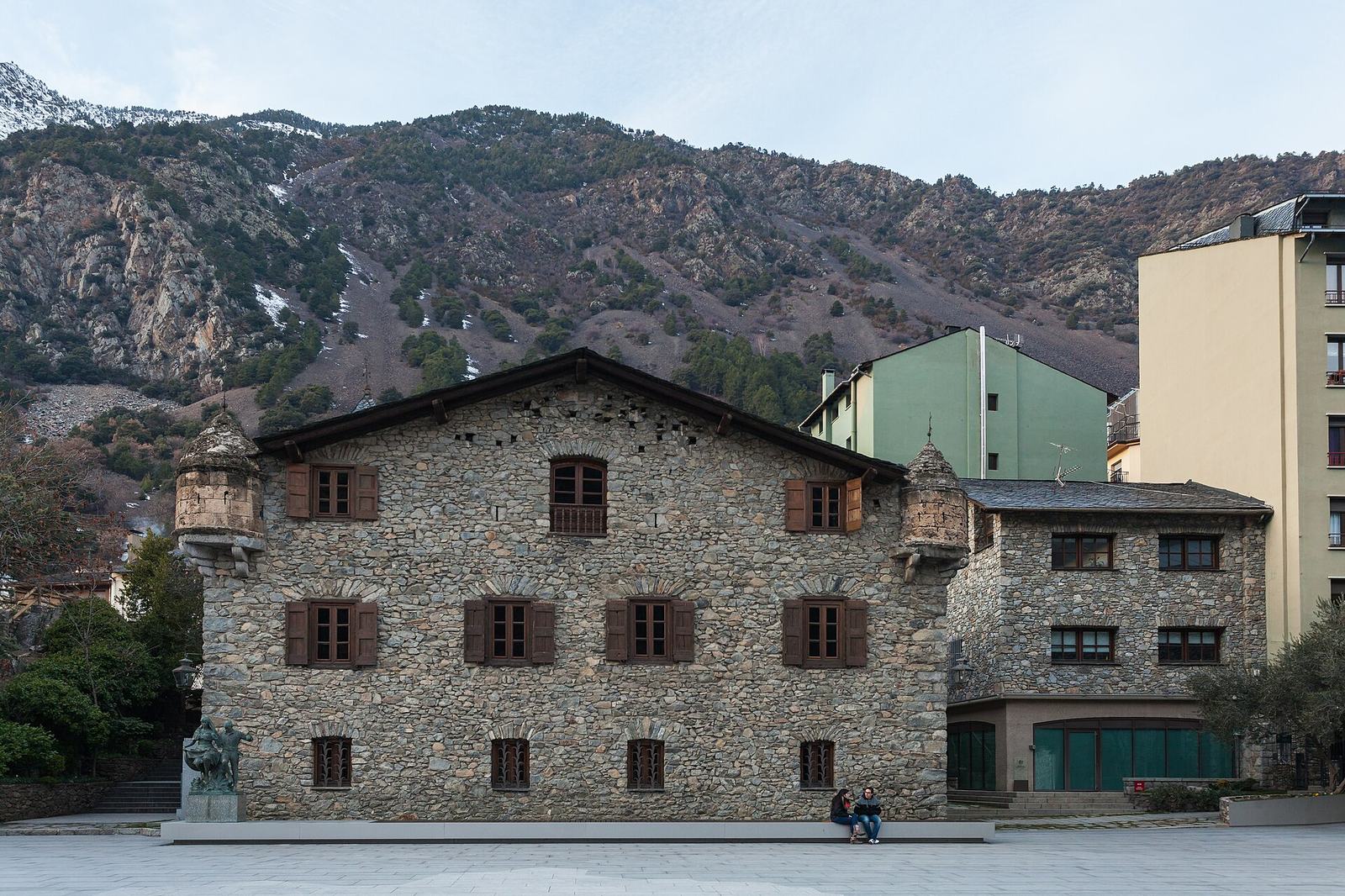
The **Barri Antic** is the oldest part of the capital: a cluster of stone houses, slate roofs and narrow streets on the slope above the river. Its centrepiece is the **Casa de la Vall**, a sixteenth century fortified house that served as the seat of Andorra's parliament, the Consell General, for centuries. Guided visits show the old council chamber, the kitchen and the famous cupboard of the seven keys, one for each parish. Nearby, the church of **Sant Esteve** mixes Romanesque and later work, and the **Plaça del Poble**, built on the roof of a government building, gives wide views across the valley.
Shopping streets
**Avinguda Meritxell** and its continuation into Escaldes form one long shopping street, lined with perfume shops, electronics, sports and outdoor gear, fashion and department stores such as **Pyrénées**. Andorra's low indirect tax makes some goods cheaper than in Spain or France, but not everything: compare carefully, keep receipts and remember that customs allowances apply when you leave. Near the river, look out for Salvador Dalí's sculpture **La Noblesse du Temps**, a melting clock on a tree trunk.
Churches and quiet corners
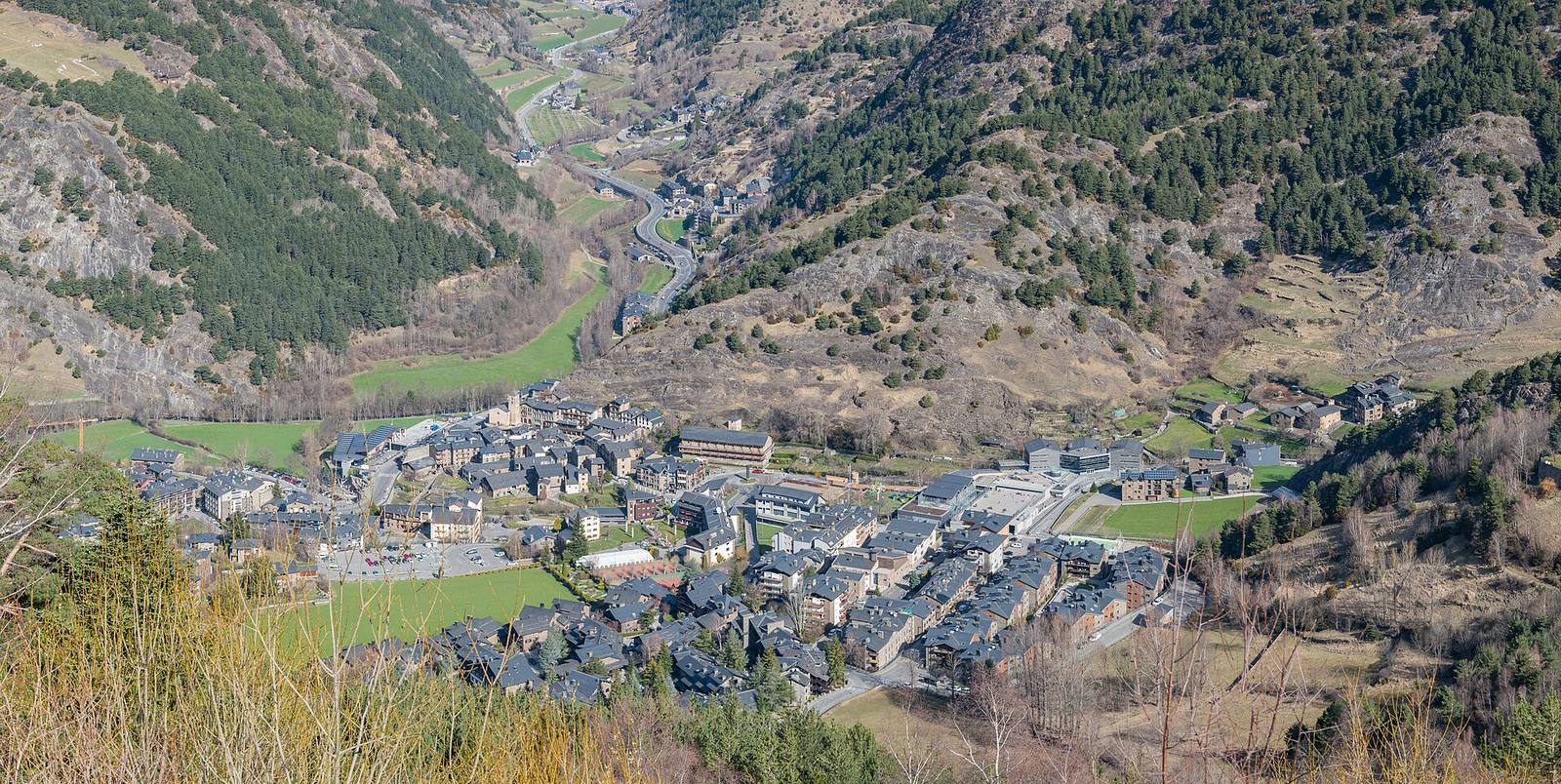
A short bus ride west, the church of **Santa Coloma** is one of the oldest in Andorra, with a rare round bell tower. Above the town, the **Rec del Solà** path follows an old irrigation channel across the sunny slope, almost flat and with views over the whole valley. It is a gentle walk for anyone, and a good way to see how the capital sits in its mountains.
Food
Try the mountain classics: **trinxat**, a fried cake of cabbage, potato and bacon; **escudella**, a hearty winter stew; **cargols a la llauna**, snails cooked in a tray; and grilled meats with allioli. The most atmospheric places to eat are **bordes**, old stone barns turned into restaurants, such as Borda Estevet on the road to La Comella. In the old town, small restaurants serve Catalan home cooking at lunchtime menus that are good value.
Festivals
The capital's **Festa Major** fills early August with concerts, dances and fireworks. On the night of Sant Joan in June, the **falles** fire festival sees locals swing burning torches through the streets, part of a Pyrenean tradition recognised by UNESCO. In summer a Cirque du Soleil production is usually staged in the city, and December brings a Christmas market.
Where to stay
Central hotels put you within walking distance of shops, restaurants and the bus station; quieter hotels sit on the slopes above town with views and gardens. Prices rise in ski season, during Spanish and French holidays and around big events, so book ahead for those dates.
Practical tips
The city is compact but steep, so wear comfortable shoes. Traffic can be heavy on weekends and holidays, when day trippers arrive to shop, and queues at the border on the way out can be long on Sunday evenings. Many shops stay open on Sundays. Cards are accepted almost everywhere, and the euro is the currency.
Questions about Andorra la Vella
How many days do I need in Andorra la Vella?
One day covers the old town, the Casa de la Vall and the shopping streets. Add a second day for Caldea, Santa Coloma and a walk on the Rec del Solà path.
Is Andorra la Vella worth visiting?
Yes, as a base and for its old town, mountain food and shopping. Pair it with the valleys and lakes around it for the full Andorra experience.
How do I get to Andorra la Vella from Barcelona?
Direct coaches run from Barcelona airport and the city centre to the capital's bus station, taking roughly three hours depending on traffic and border queues.
Is Andorra la Vella safe?
Yes, it is a very safe city. Watch your belongings in crowded shops and take care on icy pavements in winter.
Facts checked . Fees, schedules and entry rules change, so always confirm the latest with the official source.