At a glance
- Best for
- Museums, food, theatre, skyline views and neighbourhood walks
- Airports
- JFK, Newark (EWR) and LaGuardia (LGA)
- Time needed
- Four to six days
- Best season
- April to June and September to early December
- Getting around
- Subway, buses, ferries and walking
- Good base for
- Washington, D.C., Philadelphia, Boston and the Hudson Valley
Why go
Few cities pack so much into a walkable grid. In a single day you can stand under the lights of Times Square, see Van Gogh's Starry Night, cross the Brooklyn Bridge and eat dumplings in Flushing. New York is also easy for first-timers: the subway runs all night, English and many other languages are spoken everywhere, and almost every neighbourhood has its own character worth exploring on foot.
Top things to do
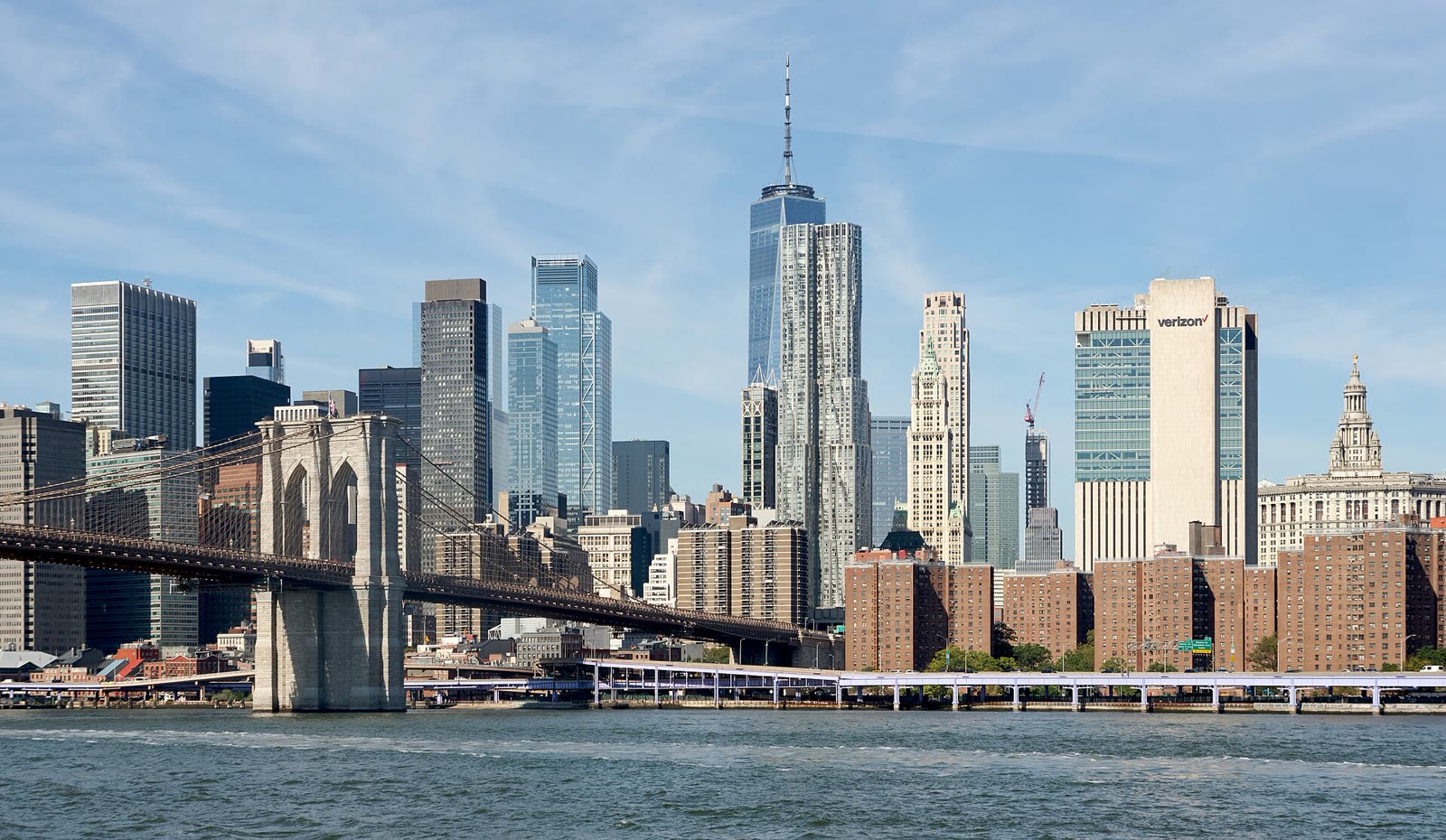
Start with the **Statue of Liberty and Ellis Island**, reached only by the official ferry from Battery Park; the Ellis Island museum is especially moving for families whose ancestors arrived here. Nearby, the **9/11 Memorial** pools sit where the Twin Towers stood. Walk the **Brooklyn Bridge** early in the morning for the skyline without crowds, then explore DUMBO's cobbled streets.
The **Metropolitan Museum of Art** and the **American Museum of Natural History** face each other across **Central Park**, which deserves at least half a day of its own: Bethesda Terrace, the Bow Bridge, Strawberry Fields and the Reservoir loop. The **Museum of Modern Art** in Midtown holds one of the world's great modern collections. For views, the observation decks at the Empire State Building, Top of the Rock, One World Observatory and Summit each have fans; pick one, and go near sunset.
The **High Line** park on an old elevated railway leads from Chelsea Market to Hudson Yards. An evening at a **Broadway** show is a highlight for many visitors; buy from official box offices or reputable sellers and be wary of street touts.
Neighbourhoods worth your time
**Greenwich Village** and the **West Village** have leafy streets, jazz clubs and cafés. The **Lower East Side** keeps its immigrant history in the Tenement Museum and old delis. **Harlem** is the heart of African American culture in New York, with Sunday gospel services, the Apollo Theater and soul food. In Brooklyn, **Williamsburg** and **Prospect Heights** bring markets, bars and the Brooklyn Botanic Garden. In Queens, **Flushing** and **Jackson Heights** are two of the most diverse food neighbourhoods in the country.
Food
New York's signature foods are simple: a folded slice of pizza, a bagel with cream cheese and smoked salmon, pastrami on rye from a Jewish deli, and a hot dog from a street cart. Beyond that, you can eat almost any cuisine on earth. Food halls and markets such as Chelsea Market and Smorgasburg are an easy way to try several things. See our places to visit list for specific suggestions.
Getting around
The **subway** is the fastest way to travel. Tap a contactless bank card or phone at the turnstile with the OMNY system, and fares cap automatically after a set number of rides in a week. Yellow taxis and ride-hailing apps are everywhere, but traffic is slow in Manhattan. Walking is often quickest for short distances. From JFK, the AirTrain links to the subway and the Long Island Rail Road; from Newark, AirTrain Newark links to NJ Transit and Amtrak trains into Penn Station.
Where to stay
Midtown is central and close to theatres, but busy and impersonal. The Upper West Side is calmer and good for families near Central Park. Lower Manhattan and the Financial District are quiet in the evenings with good transport. Brooklyn neighbourhoods such as Williamsburg and Downtown Brooklyn can be better value and feel more local. Hotel rooms in New York are small by American standards, and city and state taxes are added to the room rate.
Practical tips
Book timed tickets for the Statue of Liberty, popular observation decks and some museums ahead. Pickpocketing happens in crowds, so keep phones and wallets secure in Times Square and on busy trains. Weekends and the holiday season from late November to New Year are the busiest and most expensive times. Use the free trip planner to pace your days.
Questions about New York City
How many days do I need in New York City?
Four to six days lets you see the main sights in Manhattan and spend time in Brooklyn or Queens without rushing.
Is the New York subway safe?
Millions of people use it every day without trouble. Ride in busy carriages at night, keep belongings close, and stand back from the platform edge.
What is the best way to get from JFK to Manhattan?
The AirTrain to Jamaica station, then the subway or the Long Island Rail Road, is the usual public transport route. Official yellow taxis run from the taxi rank outside arrivals.
Is New York good for children?
Yes. Central Park, the Natural History Museum, the Staten Island Ferry and the Bronx Zoo all suit families, and many museums have special programmes for children.
Facts checked . Fees, schedules and entry rules change, so always confirm the latest with the official source.