Tongatapu: the capital and the main island
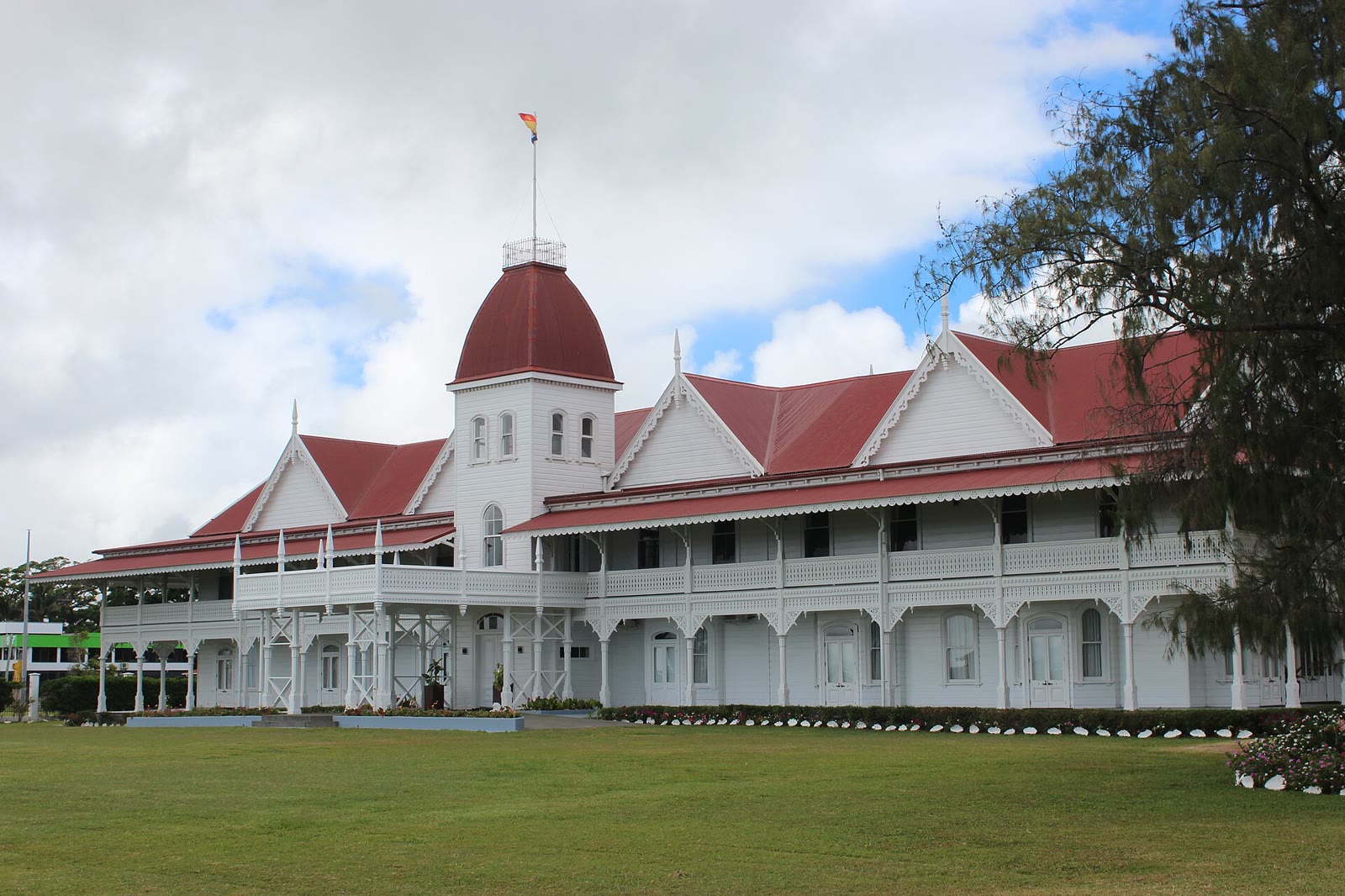
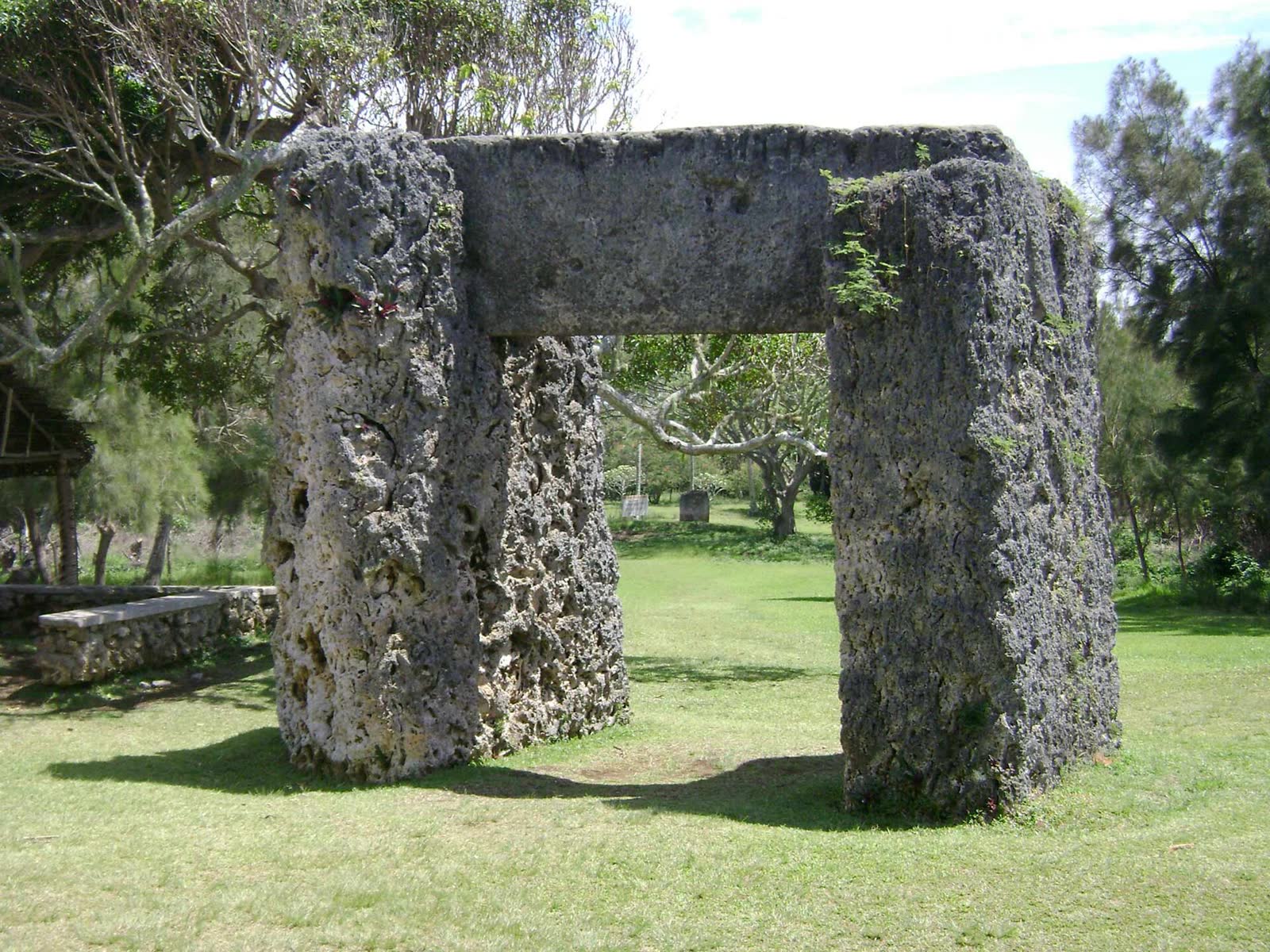
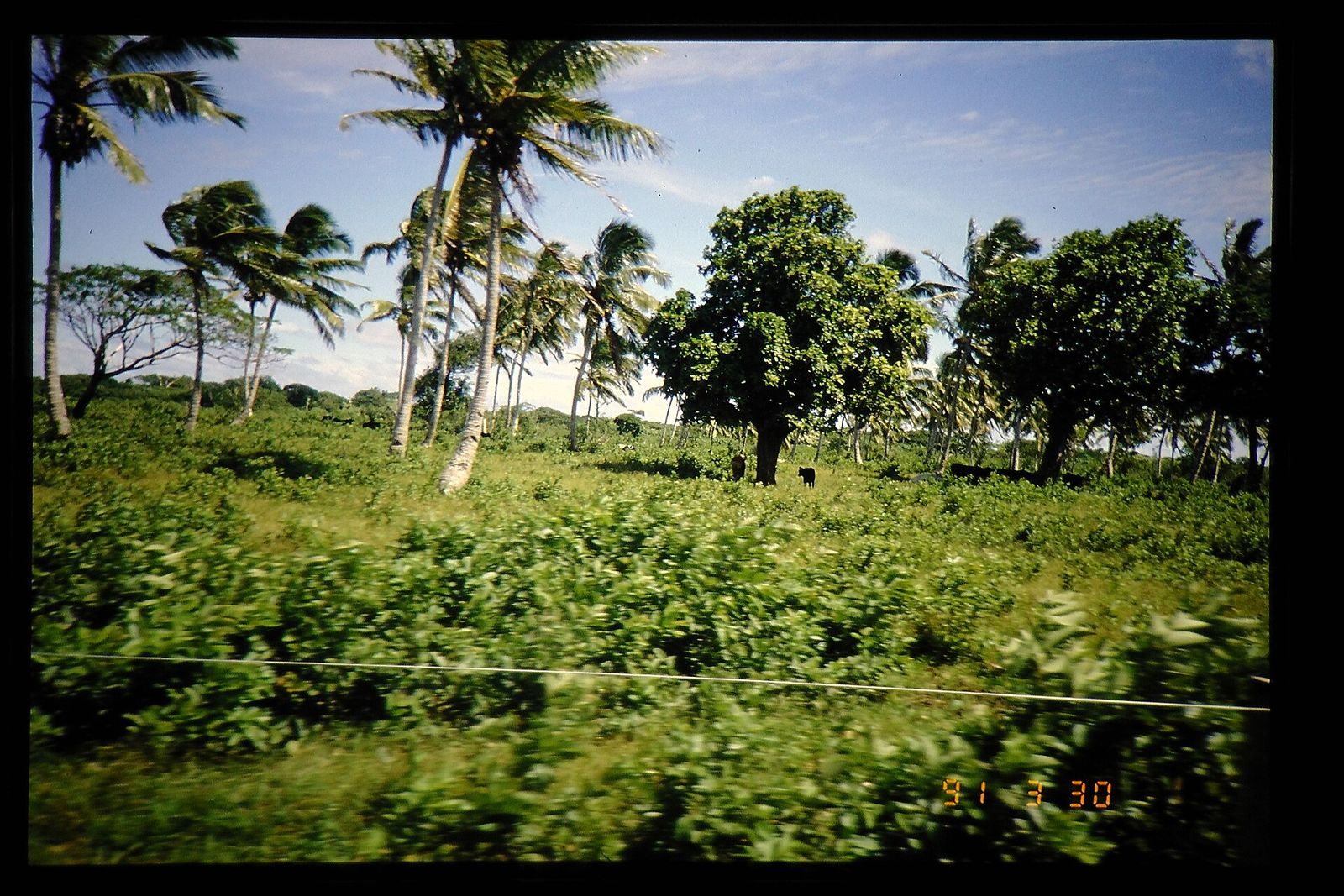
Almost every trip begins on Tongatapu, the largest and flattest island, where the international airport sits. Nukuʻalofa is the capital: a low, friendly harbour town with the Royal Palace, Talamahu Market, grand churches and most of the country's cafés, banks and services. Beyond it, the rest of Tongatapu holds the ancient trilithon at Haʻamonga, the royal tombs of Lapaha, the Mapu ʻa Vaea blowholes and quiet beaches on the western tip. Two or three days is enough to see the highlights.
ʻEua: the hiking island
A short flight or ferry ride south east of Tongatapu, ʻEua is older, higher and wilder than the rest of the kingdom. It has rainforest, caves, sinkholes and sheer cliffs where you can watch whales from above. It suits walkers and anyone who wants quiet.
Haʻapai: the sandy middle
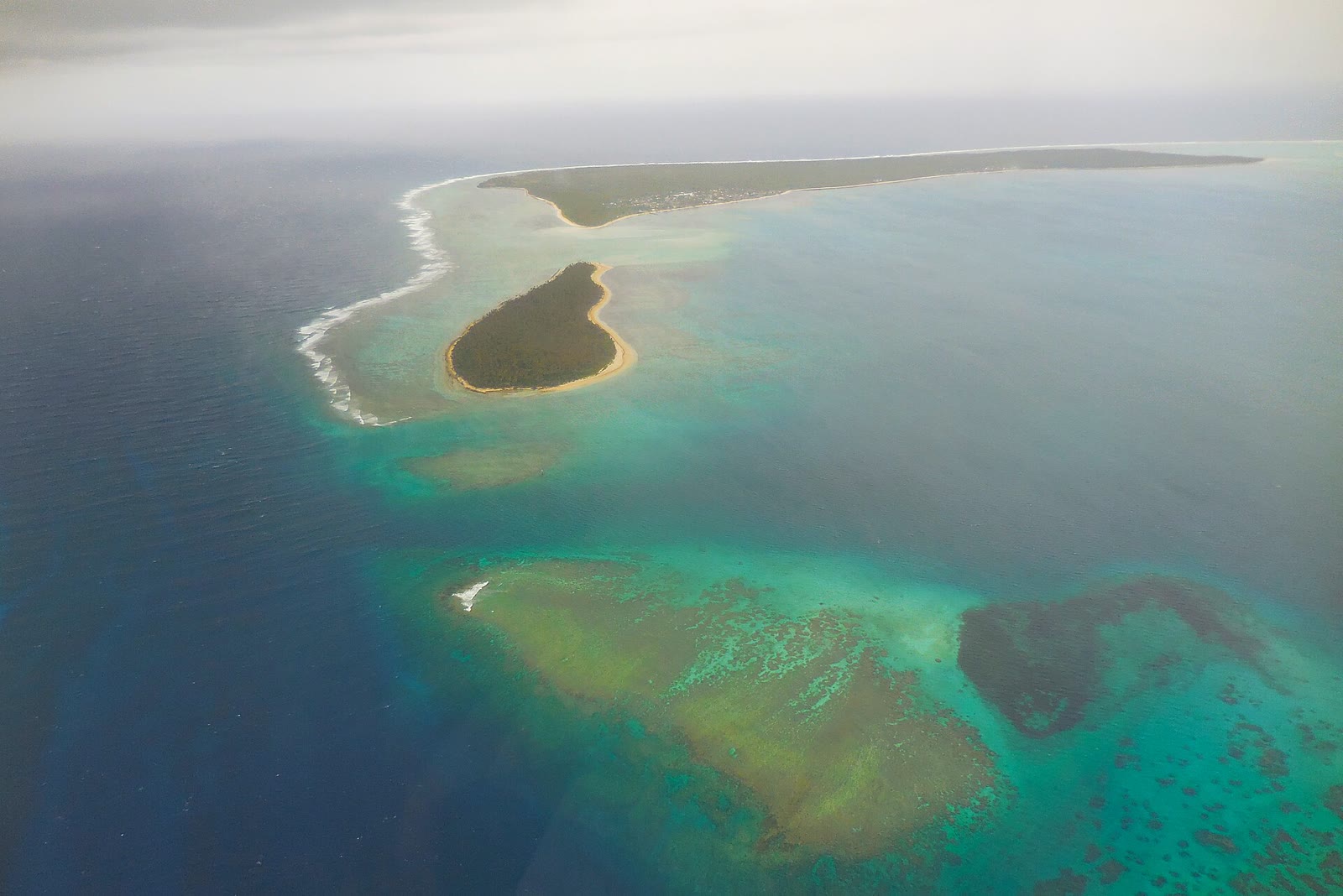
In the middle of the kingdom, Haʻapai is a scatter of low coral islands with white beaches, a sleepy capital at Pangai and whale waters with far fewer boats. Volcanic Tofua and Kao rise on the western horizon. It is the place to switch off completely.
Vavaʻu: whales and sailing
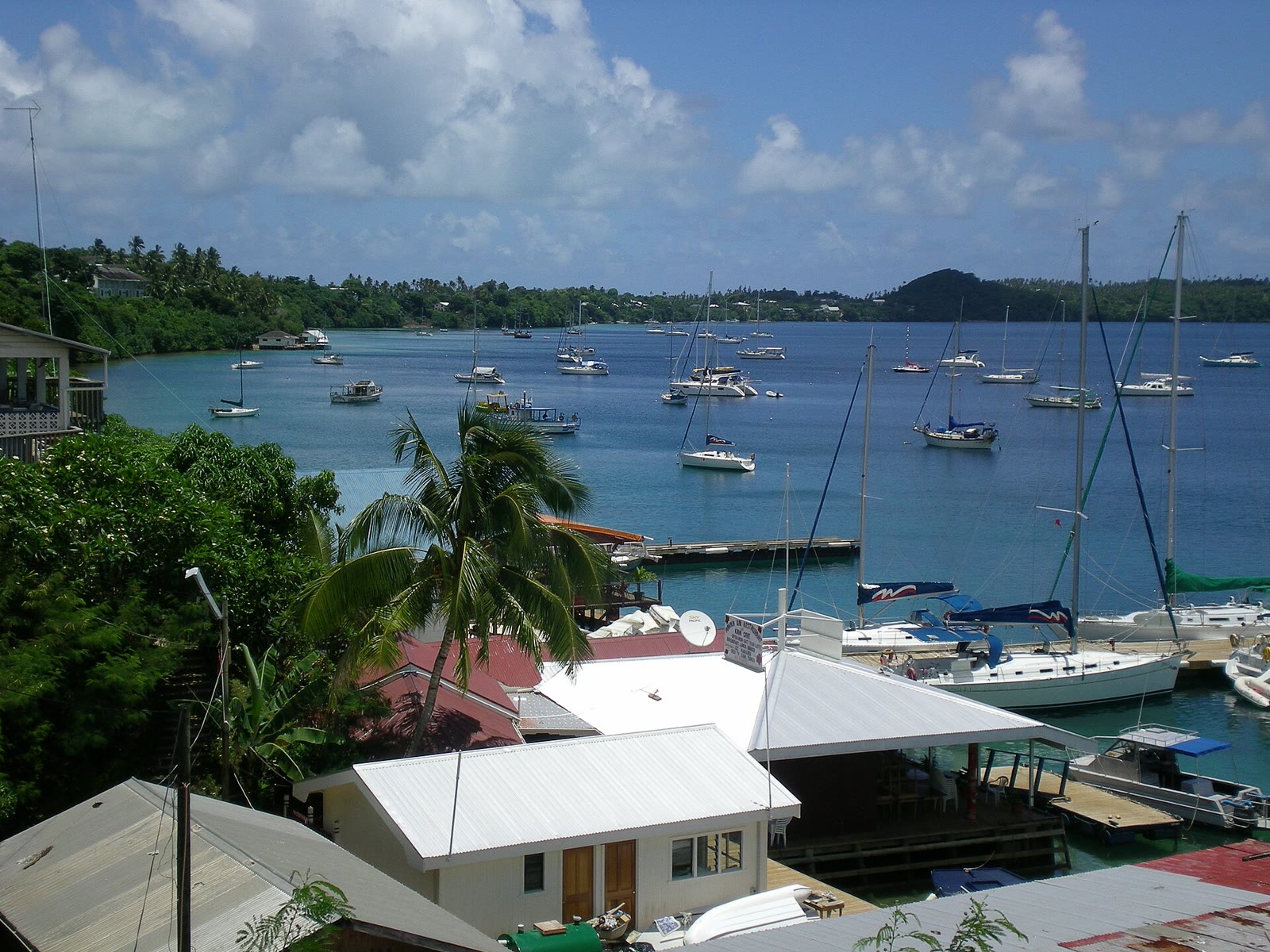
In the north, Vavaʻu is a maze of steep green islands around the sheltered Port of Refuge at Neiafu. It is Tonga's busiest base for whale swimming, sailing, kayaking and caves, with the widest choice of cafés and guesthouses outside the capital.
Putting it together
With a week, pair Tongatapu with either Vavaʻu or ʻEua. With two weeks, add Haʻapai. Allow buffer days, because flights and ferries are weather dependent and almost nothing moves on Sunday. Our free trip planner can help you link the islands at a realistic pace.