At a glance
- Best for
- Hawker food, temples, heritage streets and bars
- Airport
- Singapore Changi Airport (SIN), about half an hour away
- Time needed
- One day, plus an evening for food and drinks
- Getting around
- Walking, with Chinatown, Maxwell and Outram Park MRT
- Don't miss
- Chicken rice at Maxwell Food Centre
- Good to know
- Dress modestly for temples and remove shoes where asked
Why visit Chinatown
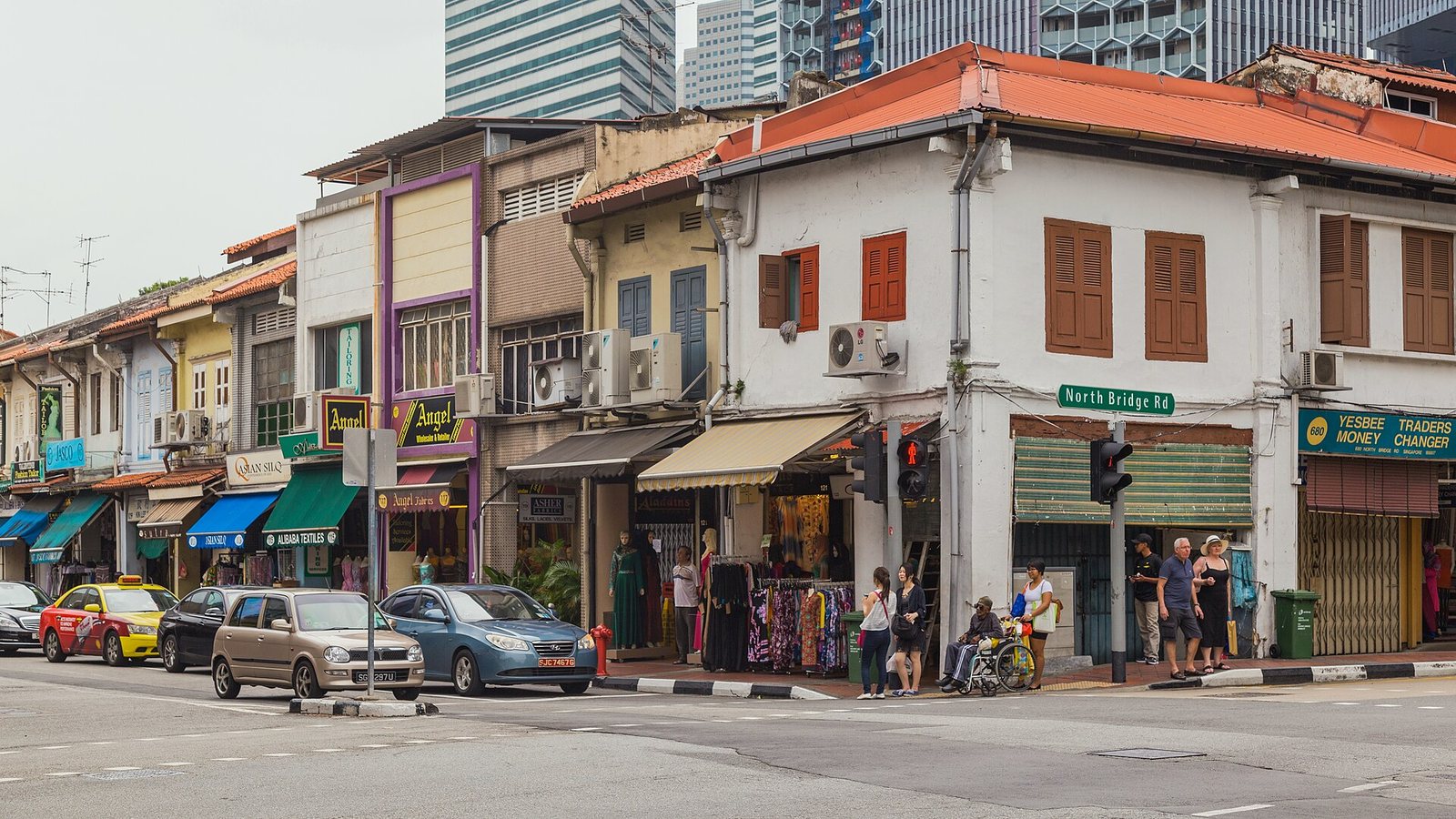
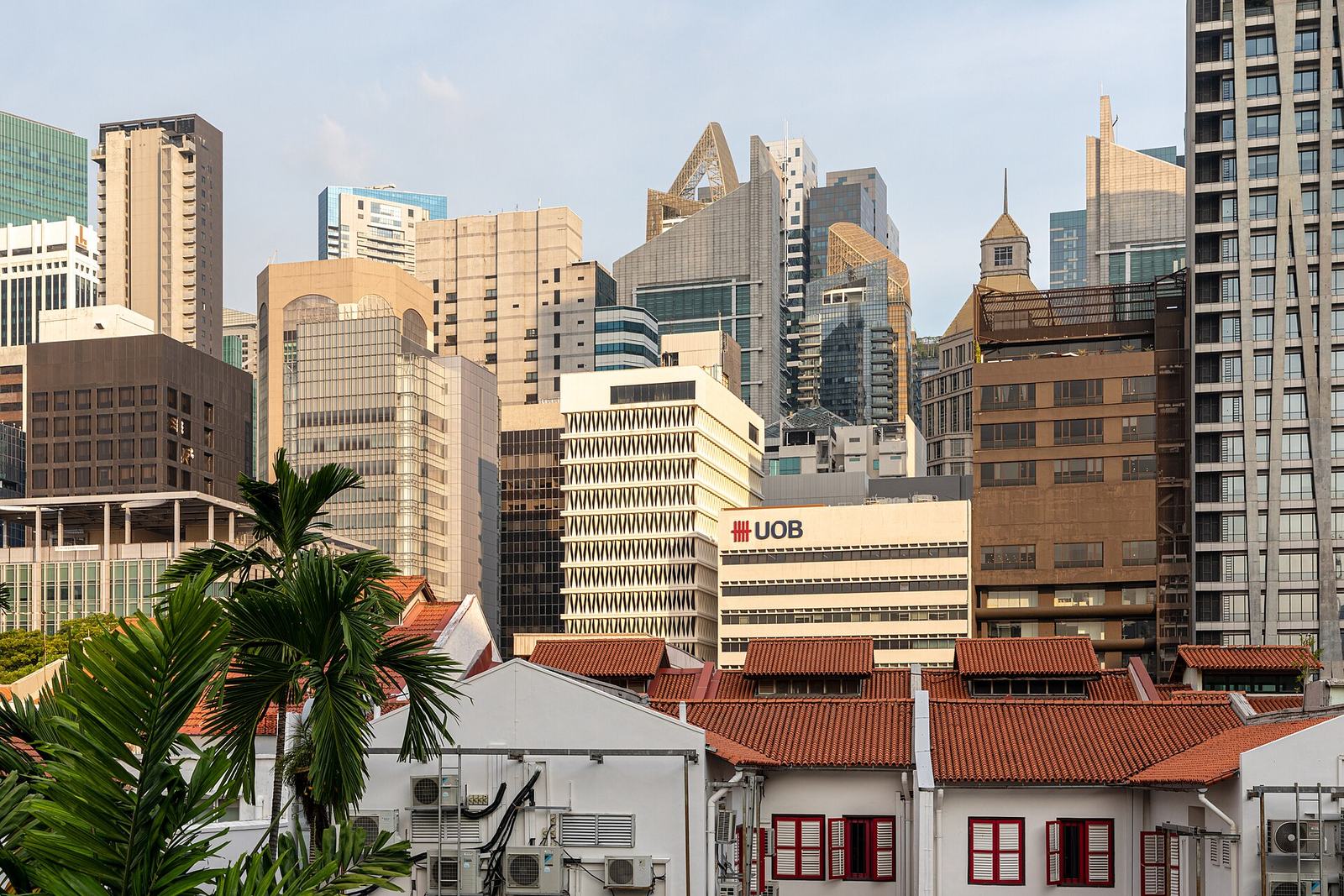
When Singapore became a British trading post in 1819, the area south of the river was set aside for the Chinese community. Today the old shophouses are painted in bright colours and filled with restaurants, bars and small shops, but the temples, clan associations and traditional medicine halls are still in daily use. It is busy, friendly and easy to explore on foot.
Temples of three faiths
South Bridge Road is a lesson in Singapore's harmony. The Buddha Tooth Relic Temple is a large, richly decorated temple with a museum and a quiet rooftop orchid garden. A few steps away, the Sri Mariamman Temple, the city's oldest Hindu temple, has a gateway tower covered in colourful deities. Nearby stands the Jamae Mosque, built by Tamil Muslims. On Telok Ayer Street, the Thian Hock Keng Temple was built by Hokkien sailors to give thanks for safe arrival, and it is one of the most beautiful buildings in the city. Dress modestly, remove your shoes where asked, and keep quiet during prayers.
Hawker centres
Chinatown is the perfect place to learn how hawker centres work. Maxwell Food Centre is home to Tian Tian Hainanese chicken rice, and the queues move quickly. Chinatown Complex Food Centre, above a wet market, is the biggest hawker centre in Singapore and has hundreds of stalls, including claypot rice cooked over charcoal. Hong Lim Market and Food Centre is a favourite with office workers at lunch. Hawker food culture is recognised by UNESCO, and eating here is one of the best value ways to enjoy the city. Reserve a table by leaving a packet of tissues on it, as locals do, and return your tray when you finish.
Heritage and museums
The Chinatown Heritage Centre recreates the cramped rooms early migrants lived in, which helps the streets outside make sense. The Singapore City Gallery near Maxwell has a huge model of the city and explains its planning. For something different, the Pinnacle at Duxton is a public housing estate with a skybridge open to visitors, offering a view across the port and the skyline.
Tiong Bahru
A short walk or one MRT stop west, Tiong Bahru is a 1930s art deco housing estate with curved balconies and quiet streets. Its market has an excellent hawker centre upstairs, and the surrounding blocks hold independent cafés, bakeries and bookshops. It is one of the most charming corners of the city and feels a world away from the crowds.
Evenings
After dark, the lanes around Ann Siang Hill, Club Street and Keong Saik Road fill with diners and drinkers in restored shophouses. Jigger and Pony on Amara Hotel's ground floor is one of the city's best loved cocktail bars. During Chinese New Year and the Mid-Autumn Festival, Chinatown's streets are hung with lanterns and lights, and festive markets sell snacks and decorations.
Where to stay
Chinatown has a good spread of boutique hotels in old shophouses, from budget hostels to stylish small hotels around Keong Saik Road and Tanjong Pagar. It is a central base, with quick MRT links to Marina Bay, Little India and Sentosa.
Getting there
Chinatown MRT station sits under Pagoda Street, and Maxwell, Outram Park and Telok Ayer stations are close by. From Changi Airport the MRT takes under an hour. Use the free trip planner to fit Chinatown into a wider plan.
Questions about Chinatown
What should I eat in Chinatown?
Hainanese chicken rice at Maxwell, claypot rice and char kway teow at Chinatown Complex, and bak kut teh, a peppery pork rib soup.
Can I visit the temples as a tourist?
Yes. Dress modestly, cover shoulders and knees, remove shoes where asked and avoid disturbing worshippers.
Is Chinatown a good place to stay?
Yes. It is central, full of food and has many boutique hotels, with quick MRT links to the rest of the city.
Is Tiong Bahru worth visiting?
Yes, especially for breakfast. Its art deco blocks, hawker market and cafés make a relaxed half day.
Facts checked . Fees, schedules and entry rules change, so always confirm the latest with the official source.