At a glance
- Best for
- History, photography, birding and music
- Gateway
- By road from Dakar, about four to five hours
- Time needed
- Two to three days
- Best season
- November to May; birds best December to March
- Getting around
- On foot on the island, taxis and calèches beyond
- Language
- Wolof and French
The island
The heart of Saint-Louis is the island itself, small enough to explore on foot in a morning. Wander the streets of the north and south quarters, with their ochre and pastel houses, iron balconies and shady courtyards. Highlights include the **Governor's Palace**, the old **Cathedral**, the **Place Faidherbe** and the riverfront. The **CRDS Museum** at the southern tip covers the history of the region.
Horse drawn **calèches** wait near the bridge and offer short tours of the island and the mainland quarters. Agree the route and the cost before you set off.
Faidherbe Bridge
The iron **Faidherbe Bridge** links the island to the mainland district of Sor. Opened in 1897, it is the city's symbol and is especially beautiful lit up at night.
Guet Ndar and the Langue de Barbarie
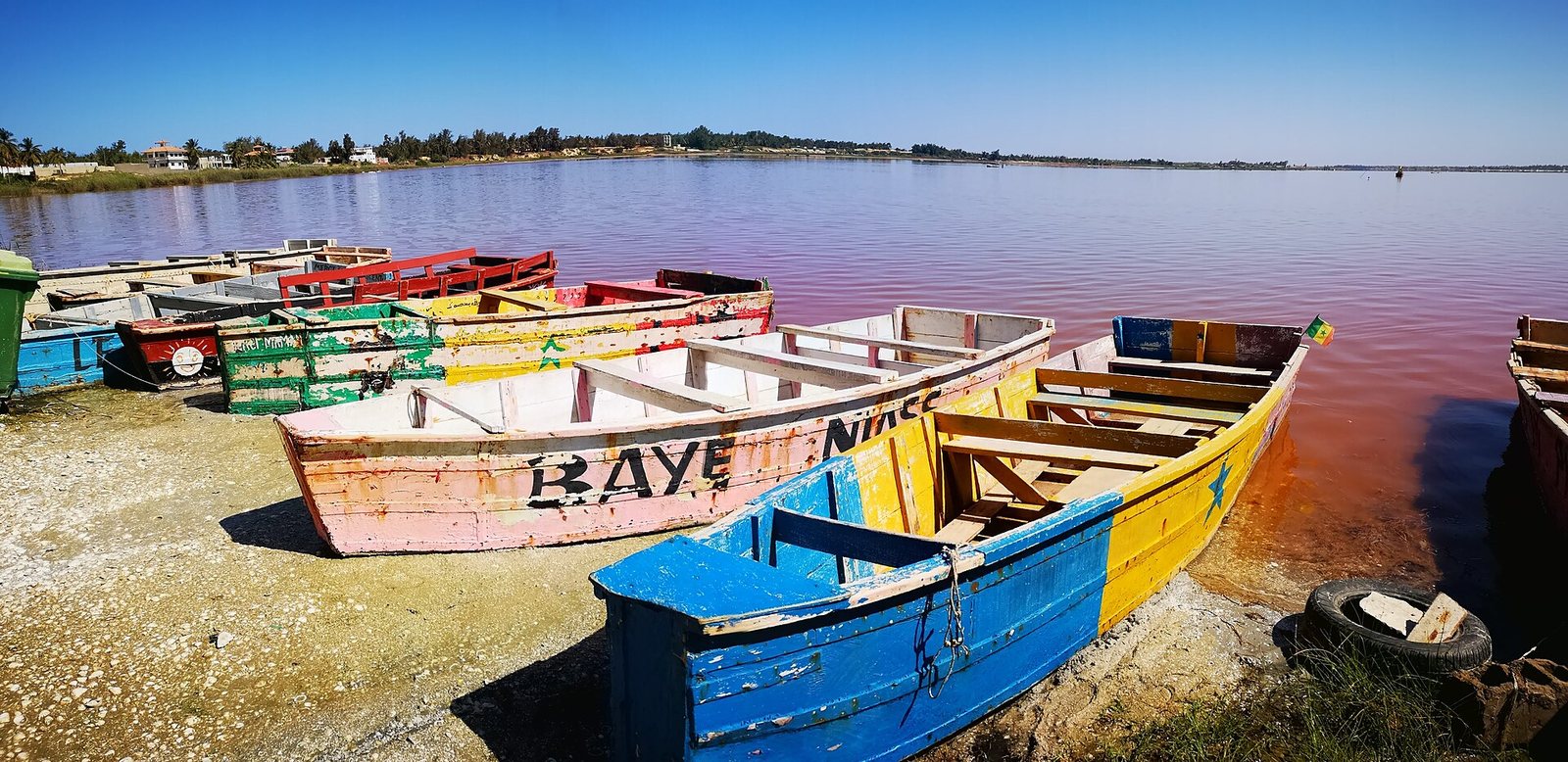
A short bridge connects the island to the **Langue de Barbarie**, the long sand spit between river and ocean. Here lies **Guet Ndar**, one of the most densely populated fishing communities in Africa, where hundreds of brightly painted pirogues line the beach. Come in the late afternoon when the boats return. It is a working, crowded place: ask before photographing people and consider going with a local guide.
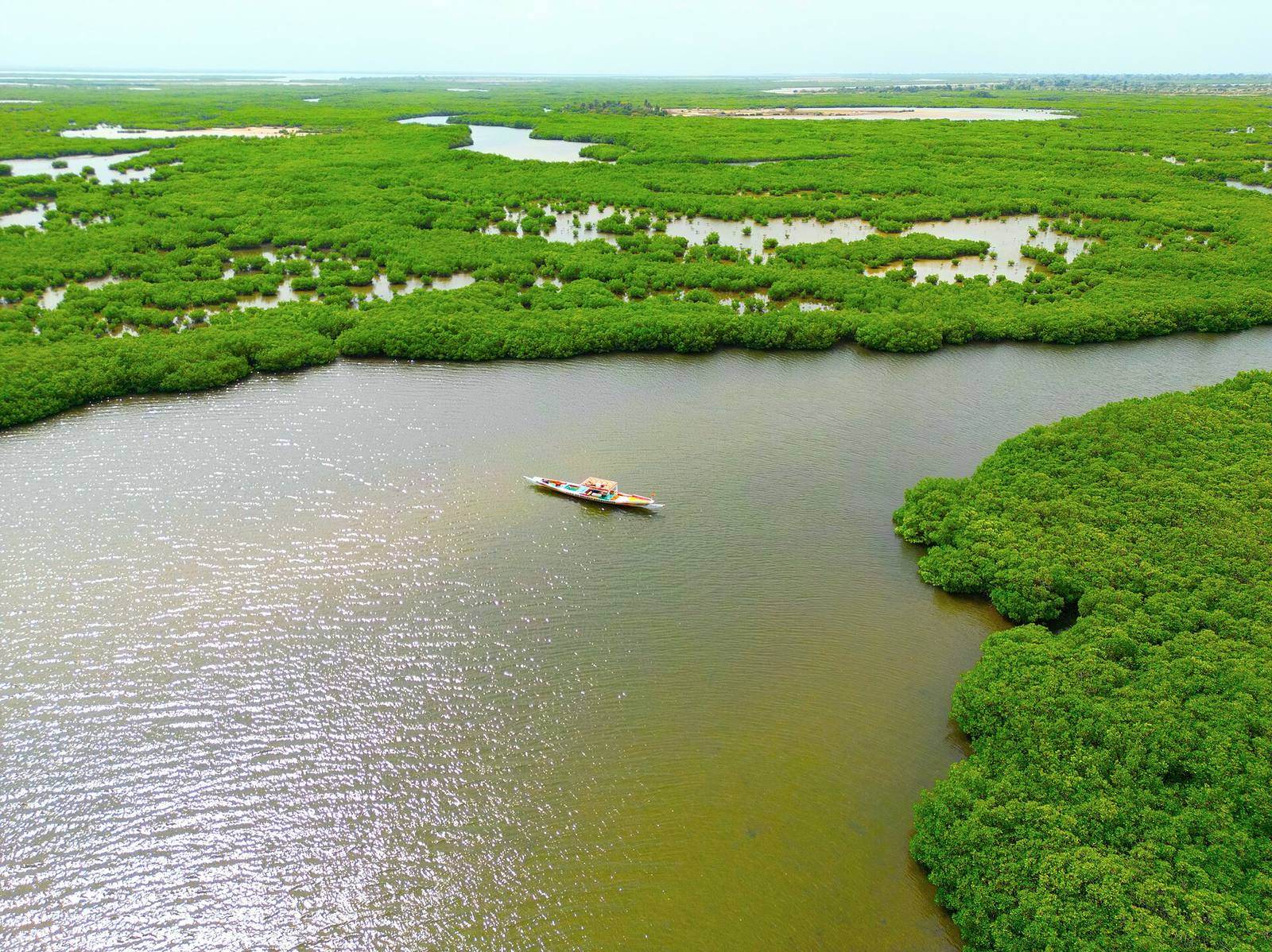
Further south, the **Langue de Barbarie National Park** protects the spit and the river mouth, with nesting terns, gulls and pelicans in season, and turtles on the beaches. Pirogue trips run from the lodges near Gandiol. The spit has been changing shape since a channel was cut through it in 2003, and some old campements have been lost to the sea, so check what is open.
Djoudj National Bird Sanctuary
About sixty kilometres north, **Djoudj** is one of the most important wetlands in the world for migrating birds and another UNESCO World Heritage Site. From roughly November to April, flocks of pelicans, flamingos, herons and ducks gather in astonishing numbers, and boat trips take you close to the great white pelican colonies. Go with a guide or an organised trip and leave very early.
Festivals and music
The **Saint-Louis Jazz Festival**, usually held around late May or early June, is one of Africa's oldest jazz festivals and fills the town with concerts, street music and visitors. Book rooms well ahead if you plan to attend. Outside festival time, a handful of bars and hotels host live music at weekends.
Food
Saint-Louis is said to be the birthplace of **thieboudienne**, Senegal's national dish of rice and fish cooked in tomato sauce with vegetables, and many locals will tell you it is best here. Look for small family restaurants on the island and fresh grilled fish along the river.
Getting there
Most visitors come by road from Dakar, by bus, sept-place shared taxi or private transfer, a journey of around four to five hours depending on traffic leaving the capital. Saint-Louis has a small airport, but scheduled flights are limited and change often.
Practical tips
The island is calm and generally safe, but guides and touts can be persistent near the bridge. Evenings are cool and breezy in the dry season, so bring a light layer. The mainland side, Sor, has the bus station, banks and markets.
Questions about Saint-Louis
How many days do I need in Saint-Louis?
Two days covers the island, Guet Ndar and a boat trip on the Langue de Barbarie. Add a third for an early morning trip to Djoudj in the birding season.
When is the best time to see birds at Djoudj?
From about November to April, with the biggest numbers usually from December to March. Many birds leave once the rains approach.
Is Saint-Louis worth the trip from Dakar?
Yes. Its colonial architecture, river setting, fishing quarter and birdlife make it one of the most distinctive places in West Africa.
When is the Saint-Louis Jazz Festival?
It is usually held around late May or early June, but dates change from year to year. Check the festival's announcements before you plan around it.
Facts checked . Fees, schedules and entry rules change, so always confirm the latest with the official source.