At a glance
- Best for
- City life, music, food, art and history
- Gateway
- Blaise Diagne International Airport (DSS) at Diass, about an hour away
- Time needed
- Three to four days
- Best season
- November to May
- Getting around
- Taxis, ride hailing apps, the BRT and the TER train
- Language
- Wolof and French
Neighbourhoods to know
**Plateau** is the old administrative and business centre at the southern tip, with the Presidential Palace, Independence Square, Kermel Market and the Dakar Cathedral. It is busy by day and quiet at night.
**Medina** and **Fass** are dense, lively residential quarters with tailors, bakeries and street food. **Point E**, **Fann** and **Mermoz** are calmer, leafier areas with good cafes and restaurants.
On the northwest coast, **Almadies**, **Ngor** and **Yoff** are where many visitors stay. Almadies has upmarket hotels and restaurants; Ngor village has a fishing beach and boats to Ngor Island; Yoff is a traditional Lebou fishing community with a beautiful shoreline mosque nearby at Cambérène. **Ouakam** sits beneath the Mamelles hills, home to the lighthouse and the African Renaissance Monument.
What to see in Dakar
- **African Renaissance Monument**: a huge bronze statue on a hill in Ouakam. Love it or not, the view from the top is wide.
- **Mamelles Lighthouse**: a short climb for sunset over the ocean.
- **Museum of Black Civilisations**: a striking modern museum near the Grand Theatre, devoted to African and diaspora cultures.
- **IFAN Museum of African Arts (Theodore Monod)**: masks, textiles and instruments from across West Africa.
- **Village des Arts** and the many galleries of the city, especially during the Dak'Art Biennale, held in even numbered years.
- **Soumbedioune**: the fish market and craft village on the Corniche, best in the late afternoon when the pirogues land.
- **Mosque of the Divinity** in Ouakam, right on the shore.
Goree Island
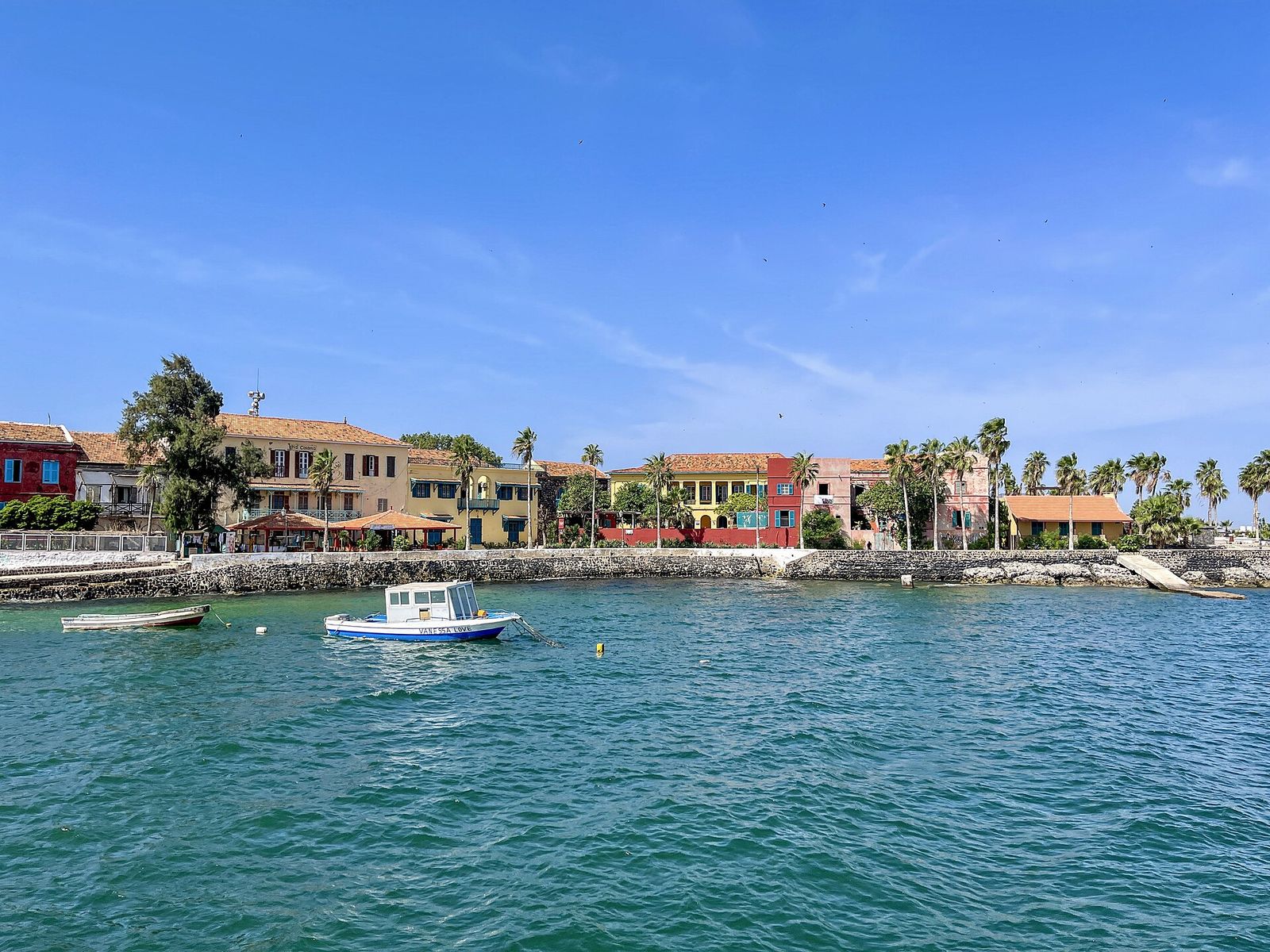
Goree is a twenty minute ferry ride from the port in Plateau. The island is car free, quiet and lovely, with bougainvillea, painted houses and small beaches, but its history is heavy. The **House of Slaves** and its Door of No Return are a memorial to the Atlantic slave trade, visited by presidents, pilgrims and many members of the African diaspora. Historians debate how many captives passed through this particular house, but the island as a whole is a UNESCO World Heritage Site and a powerful place of remembrance. Also see the **Castel** at the top of the island, the **Historical Museum** in the old fort and the **Women's Museum**. Go early to beat the crowds and stay for lunch.
Beaches and surf
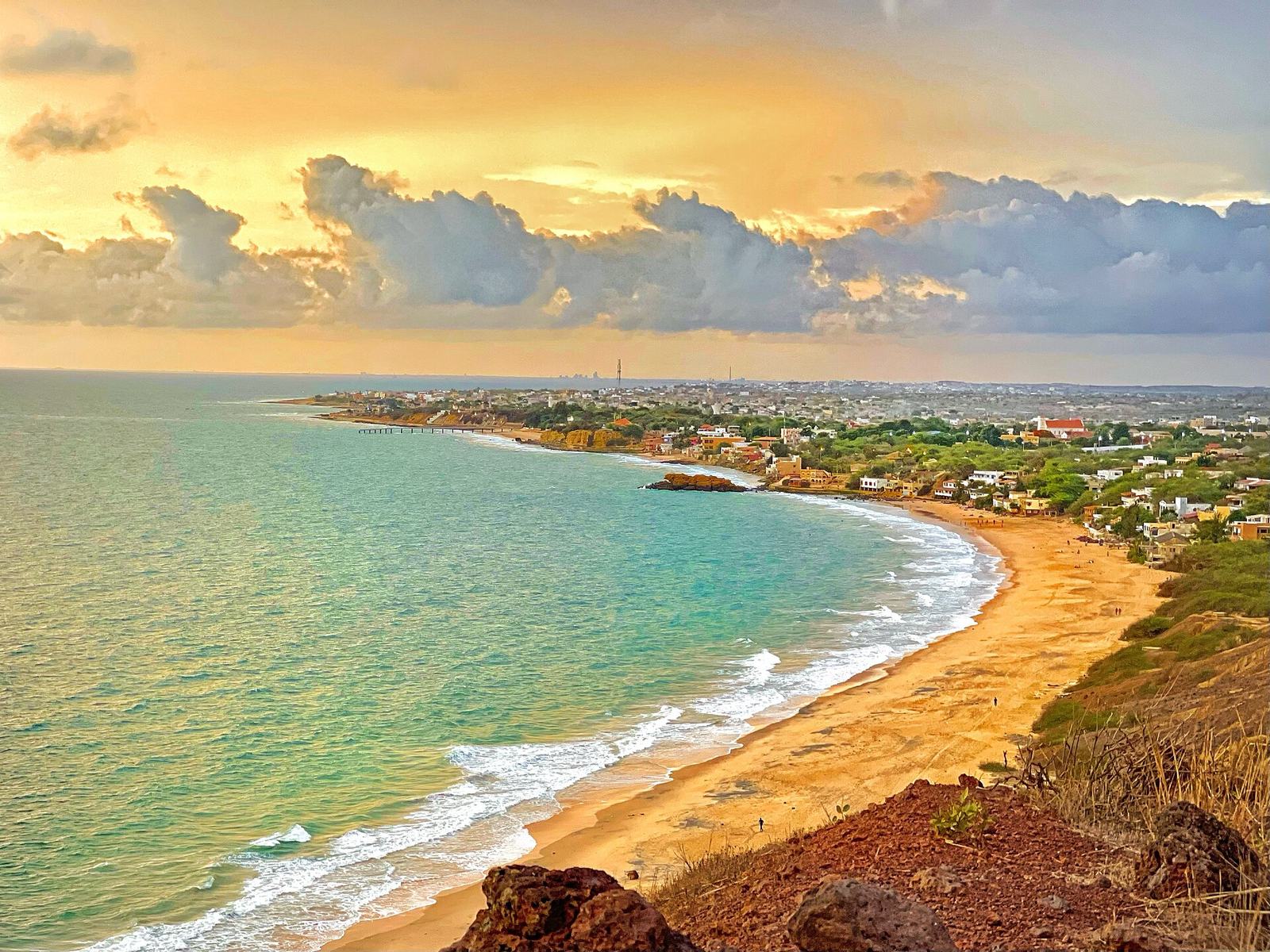
Dakar is one of Africa's best surf cities. **Ngor Right** off Ngor Island and the reef breaks around **Ouakam** and **Secret Spot** draw surfers year round, and there are surf schools at Yoff and Ngor for beginners. For swimming, take a pirogue to **Ngor Island** or head to the beaches at Yoff. Currents can be strong, so swim where locals do and ask about conditions.
Music and nights out
Dakar's mbalax scene, made famous by Youssou N'Dour, is the heart of its nightlife. Clubs and bars in Almadies, Ngor and Plateau host live bands late into the night, often starting after midnight at weekends. Ask locally who is playing.
Getting there and around
Blaise Diagne International Airport is at Diass, about forty five kilometres from the city. The motorway is fast outside rush hour, and the TER train links the city centre with Diamniadio. Inside the city, use taxis agreed in advance or ride hailing apps, and the new BRT bus line runs between the suburbs and the centre. Traffic is heavy at peak hours, so allow time.
Staying safe
Pickpocketing and bag snatches happen in markets, at Sandaga and around the port, sometimes from motorbikes. Keep phones out of sight on the street, use taxis at night and be firm but polite with touts at the ferry terminal and on Goree.
Questions about Dakar and Goree Island
How long should I spend in Dakar?
Three to four days covers the main sights, a half day on Goree, a surf or beach day and a night of live music. Add more if you are visiting family or want to explore galleries.
Can I stay overnight on Goree Island?
Yes. There are a few small guesthouses, and staying after the last day visitors leave is the best way to feel the island's calm. Book ahead in the dry season.
Which area of Dakar is best for first-time visitors?
Almadies and Ngor are popular for their sea views, restaurants and calmer streets, while Plateau suits short business stays. Point E and Mermoz are good, central and less touristy.
Is it easy to get from the airport to Dakar?
Yes. Official airport taxis, shuttle buses and ride hailing apps serve the city. The trip takes about an hour depending on traffic.
Facts checked . Fees, schedules and entry rules change, so always confirm the latest with the official source.