At a glance
- Best for
- Big Five safari, boat trips and birding
- Managed by
- African Parks with the Rwanda Development Board
- From Kigali
- About two and a half hours by road
- Time needed
- One to two nights
- Best season
- June to September, the long dry season
- Getting around
- Self-drive or guided game drives
Why visit Akagera
Akagera shows a very different Rwanda from the green hills and volcanoes. Once nearly emptied of wildlife, the park has been transformed since African Parks began co-managing it with the Rwanda Development Board in 2010. Lions returned in 2015, eastern black rhinos in 2017 and white rhinos in 2021. Today you can see elephants, buffalo, giraffe, zebra, hippos and many antelope, and with luck lions, leopards and rhinos, often without another vehicle in sight.
Game drives
You can drive yourself on the park's tracks with a map, hire a guide to ride along, or take a guided game drive in an open vehicle. The north of the park has the most open savannah and the best chance of big game, while the south has lakes and woodland. Night drives offer a chance of leopards, hyenas and bush babies.
Lake Ihema boat trips
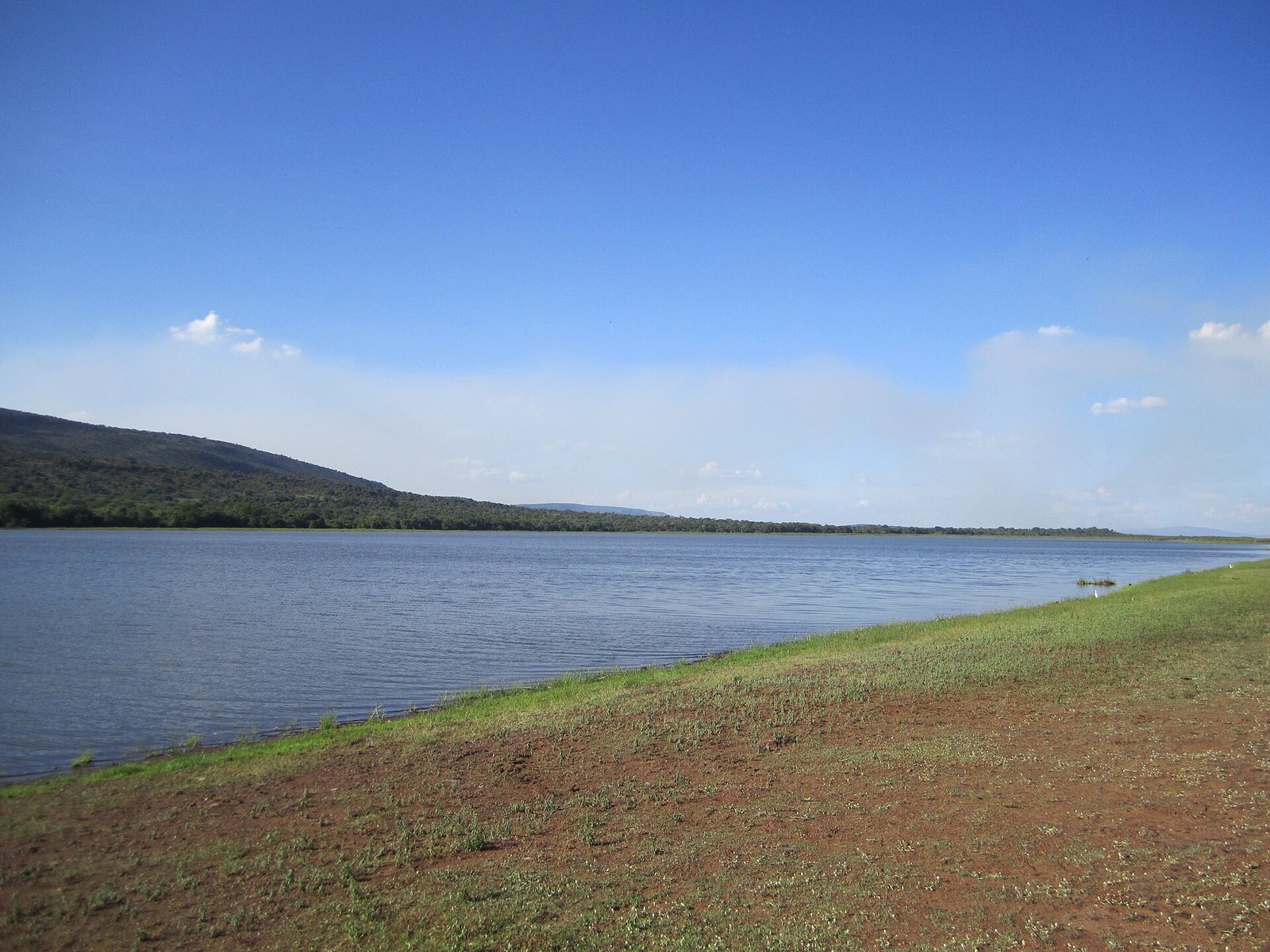
A boat trip on Lake Ihema is a highlight: hippos surface around the boat, crocodiles bask on the banks and fish eagles call from the trees. Sunset trips are especially lovely.
Birds and wetlands
Akagera has hundreds of bird species. Wetland specialists, including the elusive shoebill, live in the papyrus swamps, though shoebill sightings are rare and need patience.
Other experiences
- **Behind the scenes tour:** learn how rangers, the canine unit and community programmes work.
- **Sport fishing:** catch and release on Lake Shakani.
- **Community visits:** meet beekeepers and craft cooperatives at the park edge.
- **Walking safaris:** guided walks are offered in some areas, ask at the gate.
Where to stay
There is a range of options, from a luxury tented camp on a private lakeshore in the north to a family lodge with a pool and simple campsites near the lakes. Book ahead in the dry season. See our places to visit list for ideas.
Getting there
From Kigali, the road east takes about two and a half hours to the southern gate. Many visitors do a long day trip, but one or two nights let you see the north and enjoy dawn and dusk. Park fees and vehicle fees apply, check them on the official park website.
When to go
The long dry season from June to September brings animals to the lakes and makes tracks easy. The short dry season around December to February is also good. Grass grows tall in the rains, making game harder to spot, but the park is green and quiet.
Plan your trip
Pair Akagera with Kigali at the start or end of your trip, before heading to the volcanoes. Use the free trip planner to fit it into your route.
Tips for a great visit
Enter as early as you can, since animals are most active in the cool of the morning. Bring water, snacks and binoculars, as facilities inside the park are limited. Keep to the tracks, stay in your vehicle unless at a marked spot, and leave the park or reach your lodge before the gates close at dusk.
Questions about Akagera National Park
Can I see the Big Five in Akagera?
Yes, all five live in the park, though leopards and rhinos can be hard to find. Lions, elephants and buffalo are seen fairly often in the north.
Can I self-drive in Akagera?
Yes. Many visitors drive themselves with a park map, and a ranger guide can join you for a fee. A high clearance vehicle is best, especially in the wet season.
Is Akagera worth it after Kenya or Tanzania?
It is smaller and has fewer animals than the great plains parks, but it is quiet, scenic and an inspiring conservation story. As part of a Rwanda trip it is well worth a night or two.
Is a day trip to Akagera possible?
Yes, with a very early start from Kigali. You will see the south and centre, but staying overnight gives far better wildlife viewing.
Facts checked . Fees, schedules and entry rules change, so always confirm the latest with the official source.