At a glance
- Best for
- Beaches, seafood, history and day trips
- Airport
- Agostinho-Neto International Airport (PNR)
- Time needed
- Two to three days
- Best season
- June to September, dry and cooler
- Languages
- French and Kituba
- Getting there
- Domestic flight from Brazzaville
Why visit Pointe-Noire
Where Brazzaville is political and musical, Pointe-Noire is commercial and coastal. The city is easy to get around, has a good range of hotels thanks to the oil industry, and puts you within an hour of red canyons, quiet bays and the old kingdom of Loango. It is also the departure point for Conkouati-Douli National Park and the chimpanzee sanctuary at Tchimpounga.
Beaches
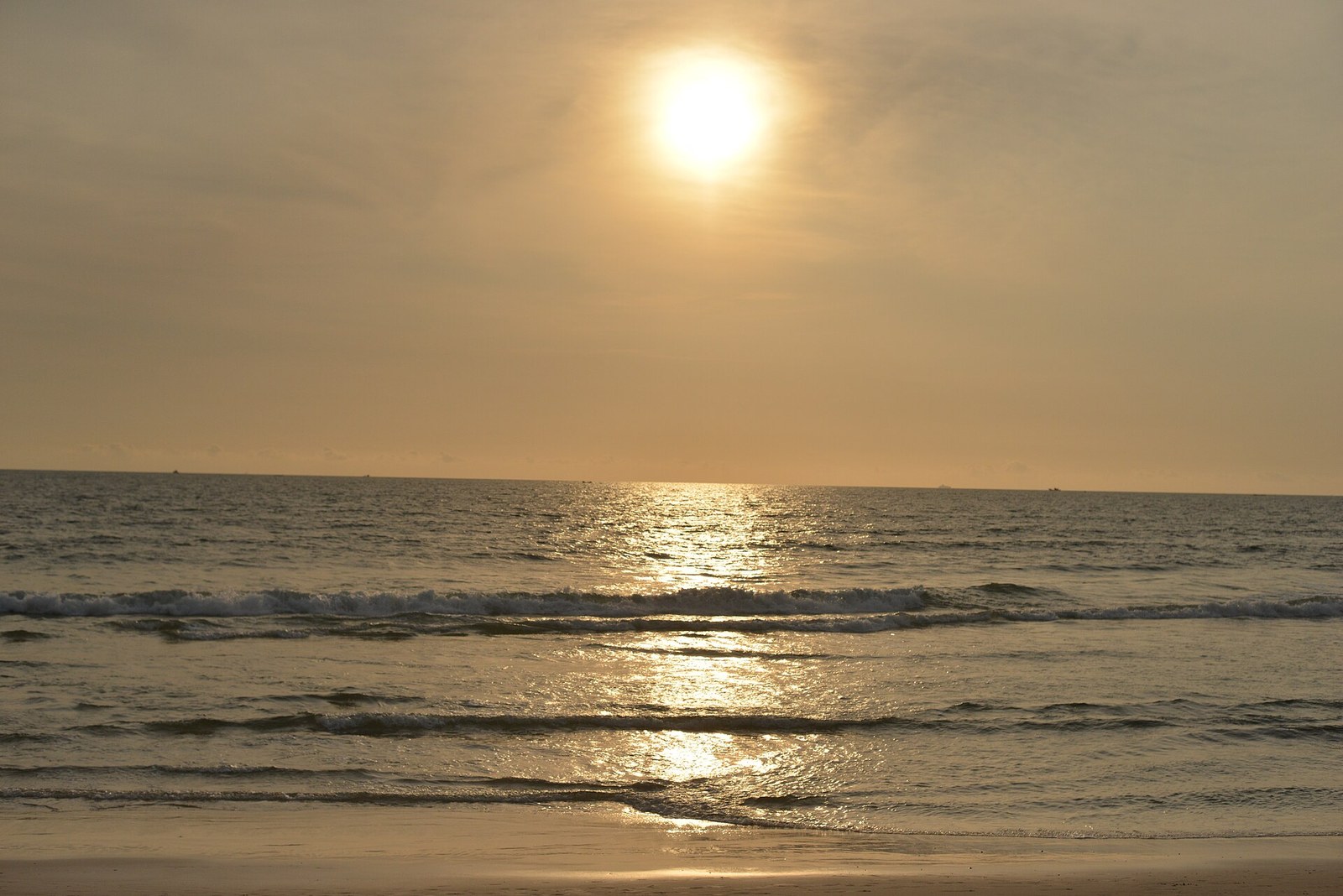
The **Côte Sauvage** is the wild Atlantic beach west of the centre. Locals come in the evening to walk, play football and buy grilled fish, and the sunsets are superb. The waves and currents are strong, so swim only where locals do and never alone. The **Côte Mondaine**, near the port, is calmer and lined with beach bars and restaurants. North of the city, **Pointe-Indienne** is quieter, with fishing villages along the sand.
Loango and Diosso
About half an hour north, the **Loango** coast was the heart of a powerful kingdom and one of the main points from which enslaved Africans were shipped across the Atlantic. A memorial stands near the old embarkation point on the bay, and a walk along the slave route to the shore is a quiet, sobering experience, especially for visitors from the Americas and the Caribbean. Nearby, the **Musée Ma-Loango** at Diosso occupies the former royal residence, with displays on the kingdom and its trade.
Just beyond, the **Gorges de Diosso** are a spectacular amphitheatre of eroded red and orange cliffs dropping into green forest. Late afternoon light is best.
In the city
The **Gare de Pointe-Noire**, the colonial-era railway station at the end of the Congo-Océan line, is the city's most elegant building. The **Grand Marché** and the market at **Tié-Tié** are full of fabric, fish and fruit. The Institut Français hosts films, concerts and exhibitions.
Food and drink
This is the place for seafood. Look for grilled fish with chili and plantain on the Côte Sauvage, prawns and lobster in beach restaurants, and **maboké**, fish steamed in leaves. Tié-Tié is the district for brochettes and late-night music.
Getting there and around
Most visitors fly from Brazzaville, a short domestic hop. The road between the two cities, the RN1, is long, and the train is slow; check current conditions before choosing either. In town, use taxis recommended by your hotel and agree fares in advance.
Staying safe
Pointe-Noire is generally calmer than many port cities, but petty theft occurs on beaches and in markets. Leave valuables at your hotel when you go to the beach, take a taxi after dark and follow your government's current travel advice.
A suggested two days
On day one, explore the Grand Marché in the morning, admire the railway station, have a seafood lunch on the Côte Mondaine and finish with sunset on the Côte Sauvage. On day two, drive north to Loango for the memorial and the slave route walk, visit the Musée Ma-Loango at Diosso, then stand at the edge of the Diosso gorges in the afternoon light. Add a third day for Pointe-Indienne, a slow beach day or a trip towards Conkouati. Families visiting relatives often base themselves in Pointe-Noire for longer, mixing beach days with time at home. For more ideas see our places to visit list, or plan your days with the free trip planner.
Questions about Pointe-Noire
Can I swim at the Côte Sauvage?
Be careful. The Atlantic surf and currents are strong. Many people paddle rather than swim. The Côte Mondaine is calmer, but there are rarely lifeguards anywhere.
How far is Loango from Pointe-Noire?
Loango and Diosso are roughly half an hour to an hour north by road, so a half-day or full-day trip covers the memorial, the museum and the gorges.
Should I fly or drive from Brazzaville?
Most visitors fly, as it is quick and avoids a very long road journey. If you want to go overland, check current road conditions and travel advice first.
Can I visit the Tchimpounga chimpanzees?
Visits are limited because the sanctuary's priority is the animals' welfare. Contact the Jane Goodall Institute well in advance to ask about current arrangements.
Facts checked . Fees, schedules and entry rules change, so always confirm the latest with the official source.