At a glance
- Best for
- Pilgrimage, history, street art and village walks
- Nearest airport
- Ben Gurion Airport (TLV), via Jerusalem
- Time needed
- Two to three days
- Best season
- March to May, September to November, and Christmas
- Getting around
- Walking, local taxis and shared minibuses
- Dress
- Shoulders and knees covered in churches and mosques
Why visit Bethlehem
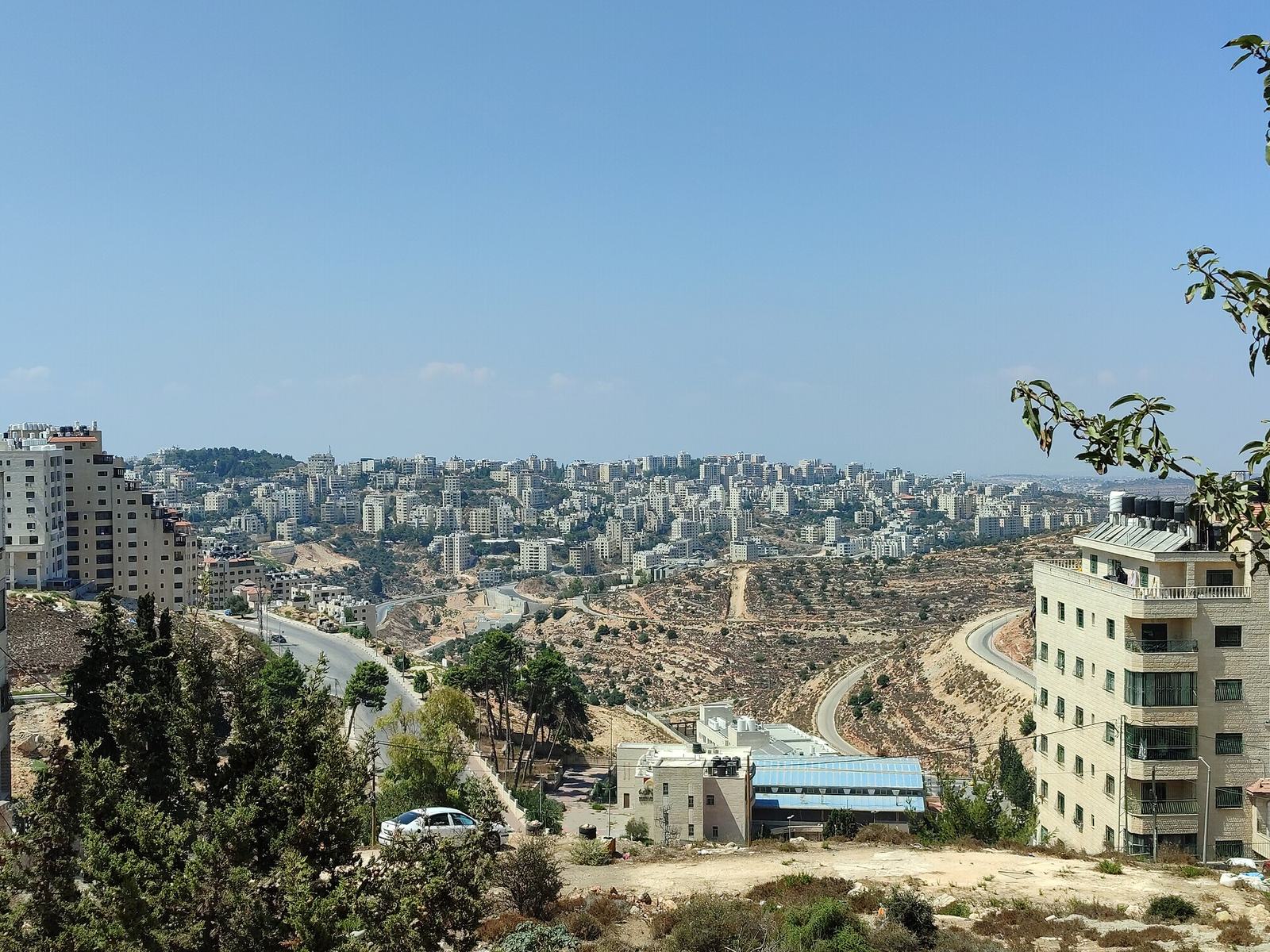
Bethlehem is one of the most famous small towns on Earth, and it is far more than a single church. It is a working Palestinian town of stone houses, family bakeries, olive wood workshops and busy shared taxis, with a Christian community that has lived here since the faith began and a Muslim majority that shares its squares and holidays. Tourism is the town's lifeblood, so visitors are welcomed warmly, and hotels, guides and restaurants are used to first-time travellers.
Manger Square and the Church of the Nativity
Everything begins in Manger Square. On one side stands the Mosque of Omar, on the other the fortress like front of the Church of the Nativity, which UNESCO lists as a World Heritage Site. You stoop through the tiny Door of Humility into a basilica built in the sixth century on foundations from the fourth, with restored mosaics glinting high on the walls. Steps lead down to the Grotto of the Nativity, where a silver star marks the traditional birthplace of Jesus. Queues can be long at Christmas and Easter, so come early in the morning. Next door, the Franciscan Church of St Catherine is where the Christmas midnight Mass is broadcast to the world.
The old town and Star Street
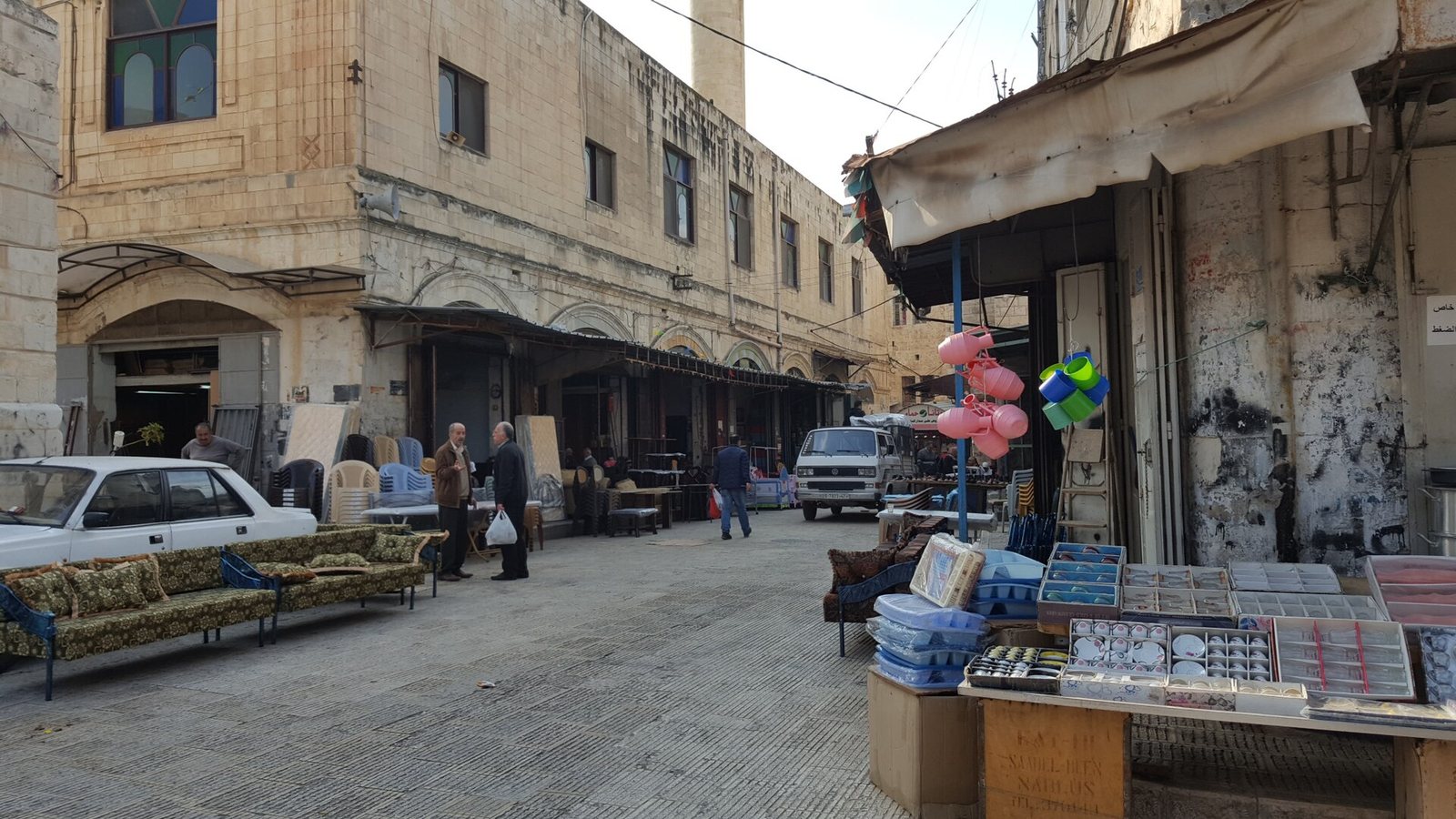
Climb from the square up through the old souq, where traders sell spices, olive oil, cheese, sesame bread and vegetables brought in from the villages. Star Street follows the old pilgrim route into the square and has been carefully restored, with stone arches and small craft shops. The Milk Grotto, a short walk away, is a peaceful chapel cut into soft white rock. Afteem, near the square, is the classic stop for falafel, hummus and musabaha.
The wall and the camps
The concrete separation wall cuts into the northern edge of town near Rachel's Tomb. Its surface is covered with murals and graffiti, including several works by Banksy, and walking a stretch of it from Hebron Road towards Aida Refugee Camp is one of the most powerful experiences in the West Bank. Community centres in Aida and Dheisheh camps offer talks and visits; going with a local guide helps you understand what you are seeing and keeps the visit respectful.
Beit Sahour and Beit Jala
Beit Sahour, to the east, is home to Shepherds' Field, where tradition says the angels announced the birth of Jesus, and to many olive wood carving families. Beit Jala, on the western hill, has steep lanes, old churches and the Cremisan Monastery, where monks make wine. Both feel quieter and more local than central Bethlehem.
Day trips from Bethlehem
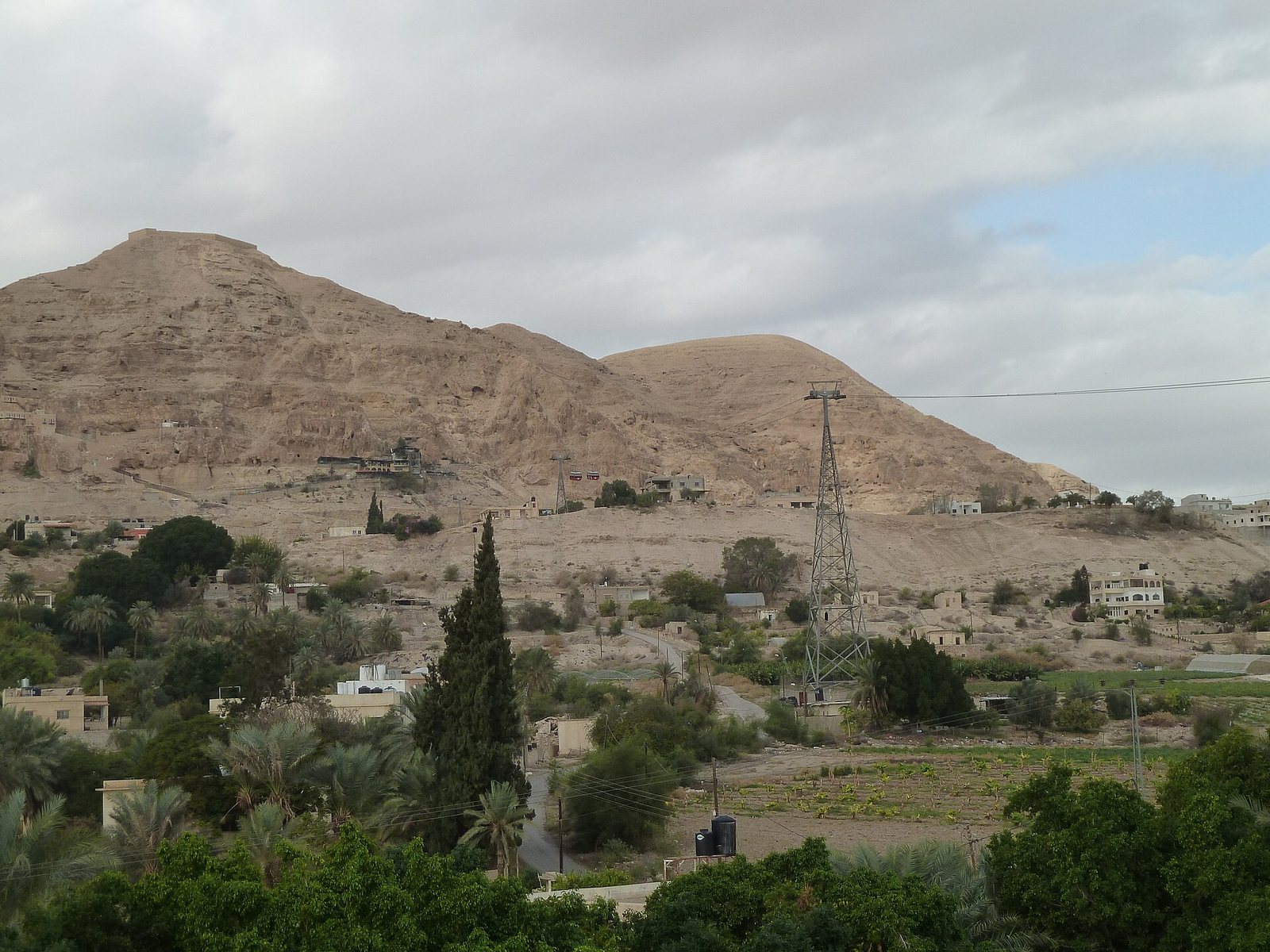
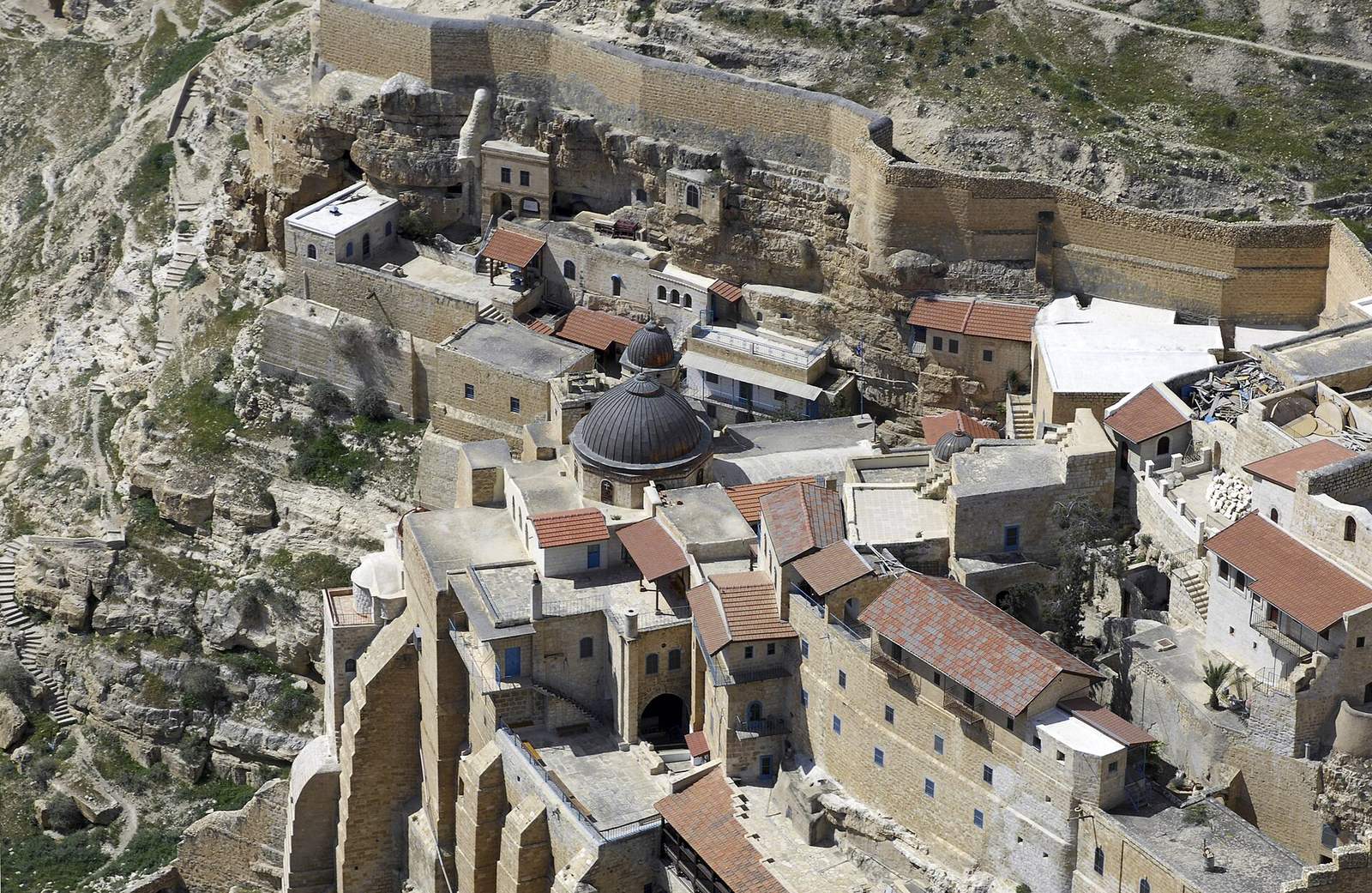
The terraced village of Battir, another World Heritage Site, is a lovely half day walk through Roman era irrigation channels and vegetable gardens. Herodion, Herod's hilltop palace fortress, rises from the desert to the southeast, and beyond it the Greek Orthodox monastery of Mar Saba clings to a cliff in the Kidron Valley; only men may enter, but everyone can admire it from the opposite rim. Solomon's Pools and the green valley of Artas are close by. Jericho, Hebron and Jerusalem are all within easy reach when roads are open.
Where to stay
Most hotels sit along Manger Street, Hebron Road and in Beit Jala and Beit Sahour. Choose the old town for character and walking distance to the square, or a larger hotel on the edge of town for parking and views. Guesthouses in restored Ottoman houses give the most memorable stays. Book well ahead for Christmas, Easter and pilgrimage seasons.
Getting there and around
From Jerusalem, Arab buses run from the stations near Damascus Gate towards Bethlehem, and many visitors walk through the Checkpoint 300 crossing on foot, then take a local taxi into town. Allow extra time for the checkpoint, especially on the way back into Jerusalem, and carry your passport. Within Bethlehem you can walk between most sights, and yellow taxis are cheap and plentiful; agree the fare before you set off.
Staying safe
Bethlehem has often been one of the calmer parts of the West Bank, but clashes can happen near the wall, the camps and Rachel's Tomb, and closures can stop traffic without warning. Check your government's travel advice before each day's plans, avoid demonstrations, and ask your hotel about conditions in the morning. When in doubt, use the free trip planner to shape a calmer route, or ask us a question.
Questions about Bethlehem
How many days do I need in Bethlehem?
Two days covers the Church of the Nativity, the old town, the wall and Beit Sahour. Three days lets you add Battir, Herodion and Mar Saba at an easy pace.
Is Bethlehem safe for tourists?
Bethlehem has often been calmer than other parts of the West Bank and is used to visitors, but clashes and closures do happen, particularly near the wall and the camps. Read your government's current travel advice and ask your hotel about conditions each day.
Can I visit Bethlehem as a day trip from Jerusalem?
Yes. Buses run from near Damascus Gate and the journey is short when the checkpoint is quiet. Staying overnight lets you see the square at dusk and supports local businesses.
What is Christmas like in Bethlehem?
In normal years Manger Square fills with lights, scout bands and processions, and midnight Mass is held at St Catherine's. In recent years celebrations have been scaled back to prayers, so check what is planned before you travel.
Facts checked . Fees, schedules and entry rules change, so always confirm the latest with the official source.