At a glance
- Best for
- Business, family visits and a calm first landing
- Gateway
- Nnamdi Azikiwe International Airport (ABV)
- Time needed
- Two to three nights
- Best season
- November to February
- Getting around
- Ride apps and booked drivers
- Language
- English, Hausa and Pidgin
Why Abuja is worth your time
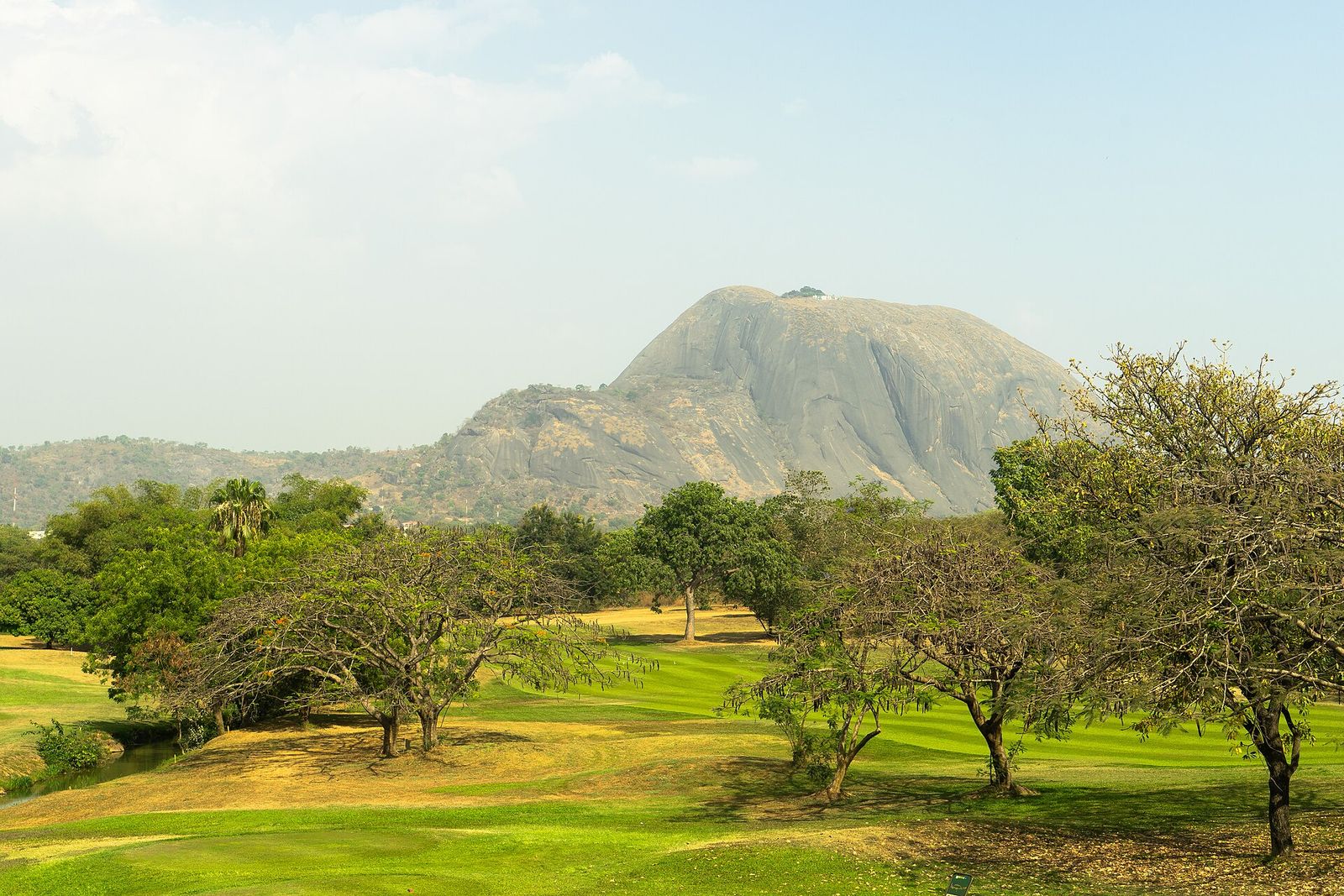
Abuja is not a sightseeing city in the classic sense, but it is a pleasant one. You come for the space, the order, the landscape and the people. The city sits beneath Aso Rock, a huge granite monolith, and on the road in you pass Zuma Rock, a giant dome often called the gateway to Abuja. The buildings reflect the idea of a united Nigeria, with landmarks representing many faiths and regions.
The main areas
**Maitama** and **Asokoro** are the upmarket districts, home to embassies, top hotels and leafy residential streets. Asokoro sits close to Aso Rock and the presidential complex.
**Wuse 2** is the lively heart for visitors, packed with restaurants, cafés, bars and shops. Many people find it the most enjoyable base.
**Central Area** holds the National Mosque, the National Christian Centre, government buildings and the Ceddi Plaza mall.
**Garki** and **Jabi** are busier, with markets, malls and the lakeside promenade at Jabi Lake.
Things to do
Start with the landmarks. The National Mosque, with its golden dome and minarets, is striking, and the National Christian Centre faces it across the city centre, a visible statement of coexistence. Visits inside depend on rules at the time, so dress modestly and ask politely.
Spend an afternoon in Millennium Park in Maitama, the city's largest green space, or at Jabi Lake, where families take boat and horse rides at weekends. Unity Fountain and the Abuja City Gate are popular photo stops.
Zuma Rock is best admired from the roadside on the way to or from the airport side of town. Usuma Dam in the hills makes a scenic drive. For art, visit Thought Pyramid Art Centre in Wuse 2.
Shopping ranges from the busy Wuse Market and Garki Market, good for fabric and tailors, to modern malls like Jabi Lake Mall.
What to eat
Abuja is a crossroads of Nigeria's food. Try suya and kilishi, the dried spiced meat of the north, tuwo shinkafa with miyan kuka, pepper soup, and the southern classics of jollof and pounded yam with egusi. Mama Cass and Nkoyo are easy places to start, and Wuse 2 has a wide range of international restaurants too.
Getting around
Abuja is spread out and not made for walking between areas. Ride apps such as Uber and Bolt work well, and hotels can arrange drivers. Traffic is far lighter than in Lagos, though rush hours into the city can be slow.
Staying safe
Abuja is generally calmer than Lagos, but your government's advice covers some risks, including occasional security incidents. Stay in established hotels or well reviewed apartments, avoid travelling by road outside the city at night, and do not travel by road to neighbouring states with travel warnings. The rail line to Kaduna has also been affected by security incidents, so check advice first.
Combining Abuja
Most visitors pair Abuja with Lagos using one of the many daily domestic flights. If you have family elsewhere in the north or centre, check your government's advice carefully before planning road journeys. Use our free trip planner or browse places to visit for more ideas.
Day trips
With a trusted driver and by day, you can visit Zuma Rock up close at its viewpoint, explore the hills around Bwari and Usuma Dam, or relax at one of the city's lakeside clubs. Check advice before going further.
Questions about Abuja
Is Abuja better than Lagos for first-timers?
It is calmer and easier, with lighter traffic and less pressure. Lagos has more to do, so many people visit both.
Where should I stay in Abuja?
Maitama and Wuse 2 are the most popular bases, with Asokoro and Central Area also good choices.
How do I get from Lagos to Abuja?
Fly. There are many daily flights of about an hour, while the road takes most of a day and passes through areas with travel warnings.
Can I climb Aso Rock?
No. It sits in a secure government area, so admire it from viewpoints around the city.
Facts checked . Fees, schedules and entry rules change, so always confirm the latest with the official source.