At a glance
- Best for
- History, crafts, views and a day trip
- Gateway
- Lagos, around two hours by road
- Time needed
- A day or one night
- Best season
- November to March
- Getting around
- Booked drivers and taxis
- Language
- Yoruba and English
Why Abeokuta is worth your time
Abeokuta is the easiest real taste of Yoruba heritage outside Lagos. In one day you can climb a historic rock with sweeping views, watch indigo cloth being dyed by hand, and see the palace of the Alake of Egbaland. It is calmer than Lagos and close enough for a day trip.
Olumo Rock
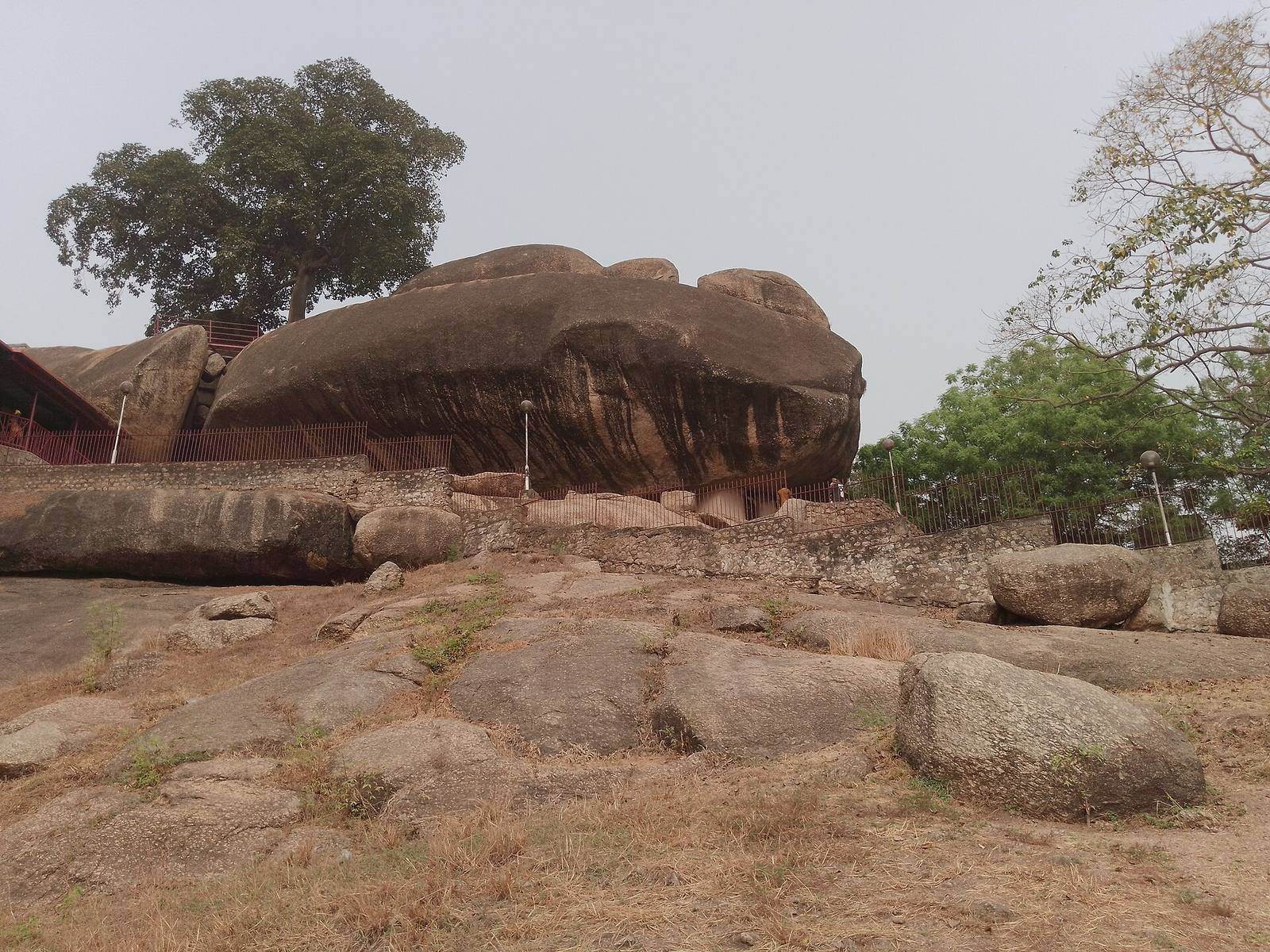
Olumo Rock is the town's symbol. During the intertribal wars of the 1800s, the Egba people sheltered among its caves and crevices. Guides lead you up carved steps past shrines, hiding places and old dwellings, with stories of the town's founding. There is also a lift for those who prefer not to climb the full way. From the top, the rust coloured roofs of Abeokuta spread out below, with the Ogun River beyond. Go early in the day to avoid the heat.
Adire cloth at Itoku
Abeokuta is the heart of adire, the Yoruba craft of resist dyed indigo cloth. At Itoku market, rows of stalls are piled with fabric in deep blues and bold patterns, and you can often watch women dyeing cloth by hand in pits of indigo. It is one of the best places in Nigeria to buy textiles directly from the makers, and some workshops will let you try making your own piece. Bargain politely and buy from the makers where you can.
Palaces and history
The Ake Palace, seat of the Alake of Egbaland, is a centre of tradition and ceremony. Nearby, Centenary Hall was built in 1930 to mark the town's centenary. The Olusegun Obasanjo Presidential Library on Oke Mosan has exhibitions on modern Nigerian history and a wildlife park. Abeokuta is also where Fela Kuti grew up, and Wole Soyinka's childhood memoir Ake: The Years of Childhood is set here, a lovely book to read before you go.
Festivals
The Lisabi Festival celebrates the Egba hero who led the fight for freedom from the Oyo Empire. Dates vary, so check locally before planning around it.
What to eat
Try ofada rice with its spicy green pepper stew, amala, and local bukas near the markets. Fresh roasted corn and plantain from street stands make good snacks on the go.
Getting there and around
Abeokuta is around two hours from Lagos by road, often more with traffic. The Lagos to Ibadan railway also stops at Abeokuta, which can be a comfortable way to arrive. Travel by day, hire a trusted driver, and use taxis or your driver to move around town.
Staying safe
Ogun State is generally calm, but follow normal care: avoid road travel after dark, keep valuables out of sight and read your government's advice before travelling.
Use our free trip planner to combine Abeokuta with Lagos and Osogbo, or browse places to visit.
Combining Abeokuta
Many travellers visit Abeokuta on the way to Ibadan or Osogbo, or as a day out from Lagos by train. Staying one night lets you see the rock in the cool morning light.
Where to stay
Abeokuta has a handful of mid-range hotels and guesthouses. Choose one with security and backup power, and ask your hotel to recommend a trusted driver for the day.
Questions about Abeokuta
Can I visit Abeokuta as a day trip from Lagos?
Yes. Leave early, climb Olumo Rock in the morning, visit the adire market and the palace, and return before dark.
How hard is the Olumo Rock climb?
It is a moderate climb on carved steps with some uneven sections. A lift covers part of the way for those who need it.
What is adire?
Adire is Yoruba indigo resist dyed cloth, made by tying, stitching or painting starch on fabric before dyeing. Abeokuta is its heartland.
Can I take the train to Abeokuta?
The Lagos to Ibadan railway stops at Abeokuta. Check the Nigerian Railway Corporation for current schedules.
Facts checked . Fees, schedules and entry rules change, so always confirm the latest with the official source.