At a glance
- Best for
- Museums, food, coffee, craft beer and film culture
- Airport
- Wellington Airport (WLG)
- Time needed
- Two to three days
- Best season
- November to April
- Getting around
- On foot, buses and the cable car
- Good to know
- It is famously windy, so pack a jacket
Why visit Wellington
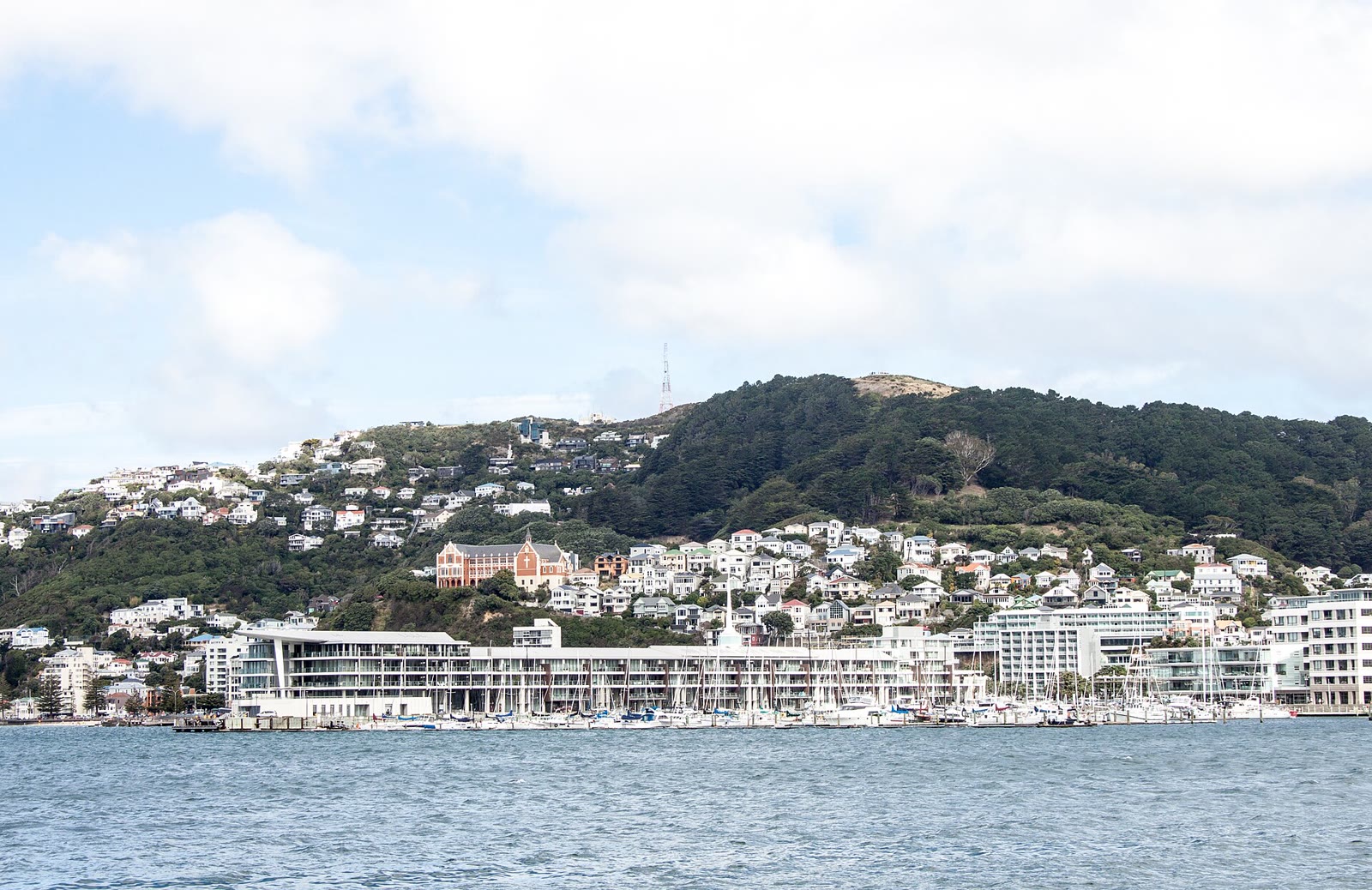
Wellington has the national museum, the national Parliament and a creative streak that shows up in its cafés, galleries, small theatres and film industry. Because the centre is so compact, you can see a great deal in two days without a car, and it makes a natural stop on a route between Auckland and the South Island.
Te Papa and the waterfront
Te Papa Tongarewa, the Museum of New Zealand, is free to enter and sits right on the harbour. It covers Māori culture, with a working marae, New Zealand's natural history, including a colossal squid, and the country's history, including a powerful exhibition on Gallipoli made with giant sculptures by Wētā Workshop. Give it at least half a day.
The waterfront promenade runs from Te Papa past Frank Kitts Park and Queens Wharf, where the Wellington Museum tells the story of the city and its harbour. On Sunday mornings the Harbourside Market fills the car park beside Te Papa with fresh produce and street food.
Views and nature
The red Wellington Cable Car climbs from Lambton Quay to Kelburn in a few minutes. At the top there are views and the Botanic Garden, which you can walk down through to the city. For a full panorama, walk or drive up Mount Victoria.
Zealandia Te Māra a Tāne, in the suburb of Karori, is a fenced ecosanctuary where native birds such as kākā, tūī and takahē live in a restored forest valley. The night tours, with a chance to see little spotted kiwi, are a highlight. On the south coast, the Red Rocks walk leads to a seal colony that is home to fur seals in the cooler months.
Neighbourhoods
Cuba Street is the bohemian heart of the city, a pedestrian strip of vintage shops, record stores, coffee roasters, bars and the famous Bucket Fountain. Courtenay Place is the main nightlife area. Lambton Quay is the business and shopping street. Aro Valley and Mount Victoria are hilly residential neighbourhoods of wooden villas, and Miramar on the eastern peninsula is home to Wētā Workshop and the film studios.
Food, coffee and craft beer
Wellington claims more cafés per head than New York and takes its coffee very seriously; a flat white here is a must. The city is also a centre of New Zealand craft beer, with breweries such as Garage Project in Aro Valley. In winter, the Wellington On a Plate festival brings special menus to restaurants across the city.
Politics and history
Free guided tours take you through Parliament, including the round Beehive building, and explain how New Zealand's government works. Nearby, the National Library has exhibitions, and the Old St Paul's church is a beautiful wooden Gothic church.
Getting around and onward
The centre is walkable, and Metlink buses run to the suburbs and airport. The Interislander and Bluebridge ferries cross Cook Strait to Picton in around three and a half hours, a scenic trip through the Marlborough Sounds. Book ahead in summer and check for weather cancellations, since the strait can be rough.
Planning tips
Wellington weather can change quickly and the wind is real, so bring layers. Weekdays suit Parliament tours and weekends suit markets. See places to visit for our favourite cafés, bars and walks, and use the free trip planner to time the ferry crossing.
Questions about Wellington
How many days do I need in Wellington?
Two days covers Te Papa, the cable car, the waterfront, Cuba Street and Zealandia. Add a day for the south coast, Wētā Workshop or a day trip to the Wairarapa wine region.
Is Te Papa free?
General entry to Te Papa is free for everyone. Some special exhibitions charge an entry fee, so check the museum's website before you go.
Why is Wellington so windy?
The city sits beside Cook Strait, a gap between the North and South Islands that funnels strong westerly winds. Calm, sunny days are glorious, but pack a windproof jacket.
Should I take the ferry or fly to the South Island?
The ferry is a scenic trip through the Marlborough Sounds and is ideal if you plan to travel around the top of the South Island. Flying is quicker if you are heading straight to Christchurch or Queenstown.
Facts checked . Fees, schedules and entry rules change, so always confirm the latest with the official source.