At a glance
- Best for
- Harbour life, island day trips, food and Pacific culture
- Airport
- Auckland Airport (AKL)
- Time needed
- Two to four days
- Best season
- November to April
- Getting around
- Ferries, buses and trains with an AT HOP card or contactless
- Good to know
- About a third of New Zealanders live here
Why visit Auckland
Auckland is often treated as a place to land and leave, but it rewards a few days. It is the largest Polynesian city in the world, with strong Māori, Samoan, Tongan, Cook Islands and Asian communities, and that mix shows in its markets, festivals and food. The harbour is the city's playground: ferries run from the downtown terminal to Devonport, Waiheke Island and Rangitoto, and on a summer weekend the water is full of sails.
The city centre and waterfront
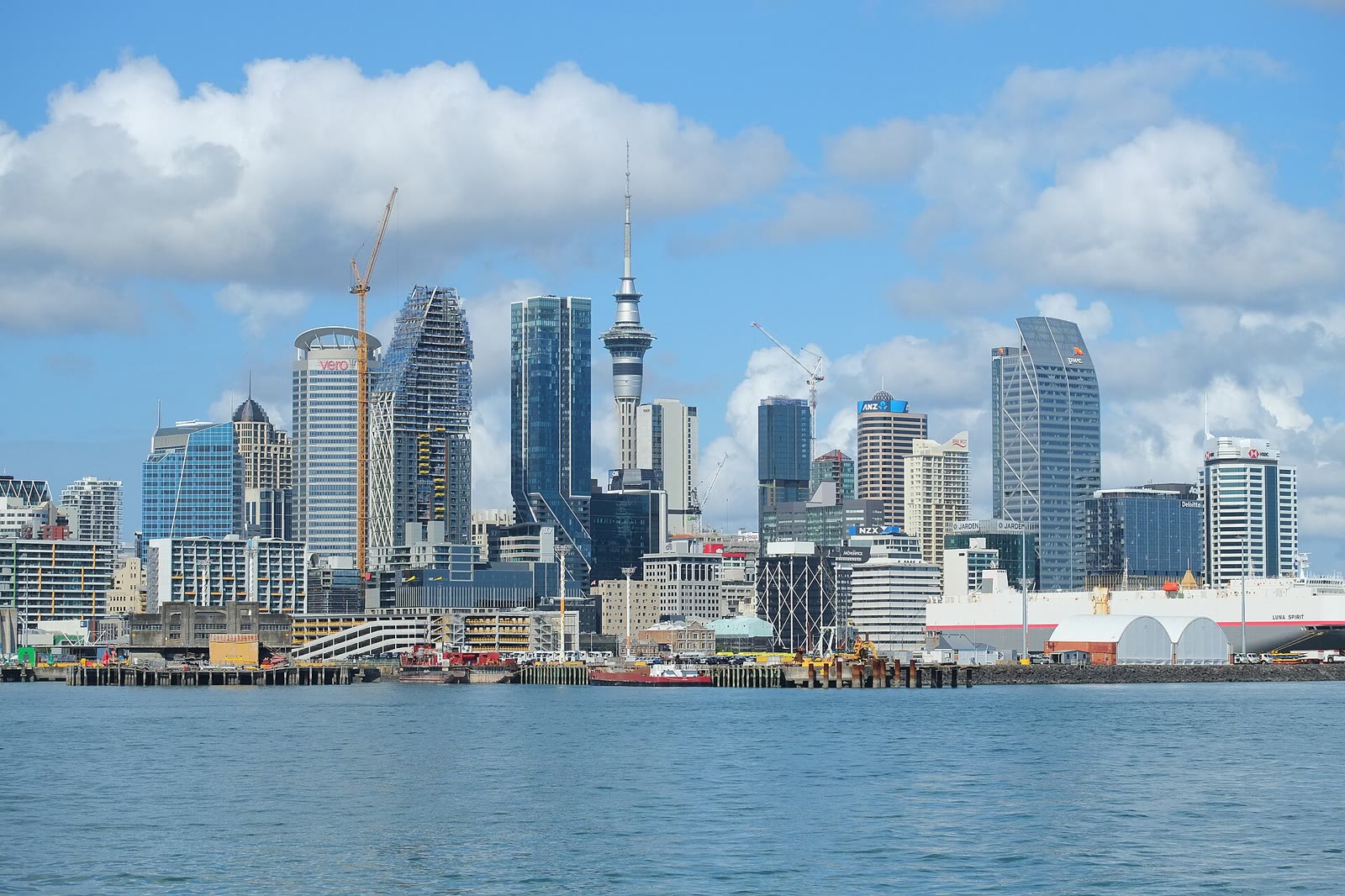
The compact centre runs from Queen Street down to the waterfront. Britomart, a cluster of restored heritage buildings by the ferry terminal, is full of cafés, restaurants and boutiques. To the west, the Viaduct Harbour and Wynyard Quarter have waterfront bars, a fish market and playgrounds, with views of the Harbour Bridge. The Sky Tower rises above it all for the best overview of the city.
The Auckland Art Gallery Toi o Tāmaki sits beside Albert Park, and a short walk or bus ride away, the Auckland War Memorial Museum crowns the Domain, with one of the finest collections of Māori and Pacific treasures in the world and a daily cultural performance.
Volcanoes and views
Climbing a volcanic cone is the classic Auckland activity. Maungawhau Mount Eden has a deep, grassy crater and sweeping views, and is closed to vehicles, so you walk up. Maungakiekie One Tree Hill rises from Cornwall Park, where sheep graze in the middle of the city. Many cones are sacred to Māori and are now co-managed by iwi, so stay on paths and do not walk into the craters.
Neighbourhoods
Ponsonby and Grey Lynn are leafy villa suburbs with the city's best café and dining strips. Parnell, one of the oldest suburbs, has boutiques and the rose gardens. Mount Eden village is relaxed and close to the volcano. Devonport, a short ferry ride across the harbour, is a seaside village with Victorian villas and two small volcanic lookouts. South Auckland is the heart of Pacific Auckland, with the Saturday Otara Market a good introduction.
Islands and beaches
Waiheke Island, around forty minutes by ferry, has vineyards, olive groves, art galleries and sandy beaches; a hop-on bus or e-bike makes it easy to explore. Rangitoto, the youngest of Auckland's volcanoes, is a short ferry ride, with a walk to the summit through lava fields. Tiritiri Matangi is a predator-free island sanctuary where rare birds like takahē and saddleback are easy to see.
On the west coast, Piha, Karekare and Muriwai are dramatic black sand beaches below the Waitākere Ranges. They are beautiful but have powerful surf and rips. Only swim between the red and yellow flags when lifeguards are on patrol.
Food and drink
Auckland eats well across every budget. Dominion Road is known for Chinese dumplings and noodles, Sandringham for Indian food, and food halls like Ponsonby Central and the Britomart precinct suit groups who want different things. Try fresh fish, green-lipped mussels, Pacific dishes such as raw fish in coconut cream, and a pavlova for dessert.
Getting around
Auckland Transport runs buses, trains and ferries. Use an AT HOP card or tap a contactless bank card on most services. The city is spread out and traffic can be heavy, so allow time. From the airport, the AirportLink bus connects to the train network, and taxis and ride-hailing apps are widely available.
Planning tips
Two full days cover the city, a volcano and one island; four days let you add Waiheke and the west coast beaches. Many visitors then head south to Rotorua or north to the Bay of Islands. Browse places to visit for our picks, or use the free trip planner to fit Auckland into a wider route.
Questions about Auckland
How many days do I need in Auckland?
Two to three days covers the waterfront, a volcano, the museum and one island. Add a day for Waiheke or the west coast beaches.
How do I get from Auckland Airport to the city?
The AirportLink bus connects the airport to Puhinui station, where trains run into the city. Taxis, shuttles and ride-hailing apps are also available. Allow extra time at rush hour.
Is Waiheke Island worth visiting?
Yes, especially in summer. It has vineyards, beaches, galleries and walking tracks, and the ferry ride across the gulf is part of the pleasure. Book winery lunches ahead on weekends.
Is it safe to swim at Auckland's west coast beaches?
Only between the red and yellow flags when lifeguards are on duty. The surf and rips at Piha, Karekare and Muriwai are strong and have caught out many visitors.
Facts checked . Fees, schedules and entry rules change, so always confirm the latest with the official source.