At a glance
- Best for
- Mantas, snorkelling, honeymoons and families
- Airport
- Velana International Airport (MLE), then seaplane or domestic flight
- Transfer
- Seaplane, or flight to Dharavandhoo
- Time needed
- Four to seven nights
- Best season
- June to November for mantas; December to April for calm seas
- Protected
- UNESCO Biosphere Reserve since 2011
Why go
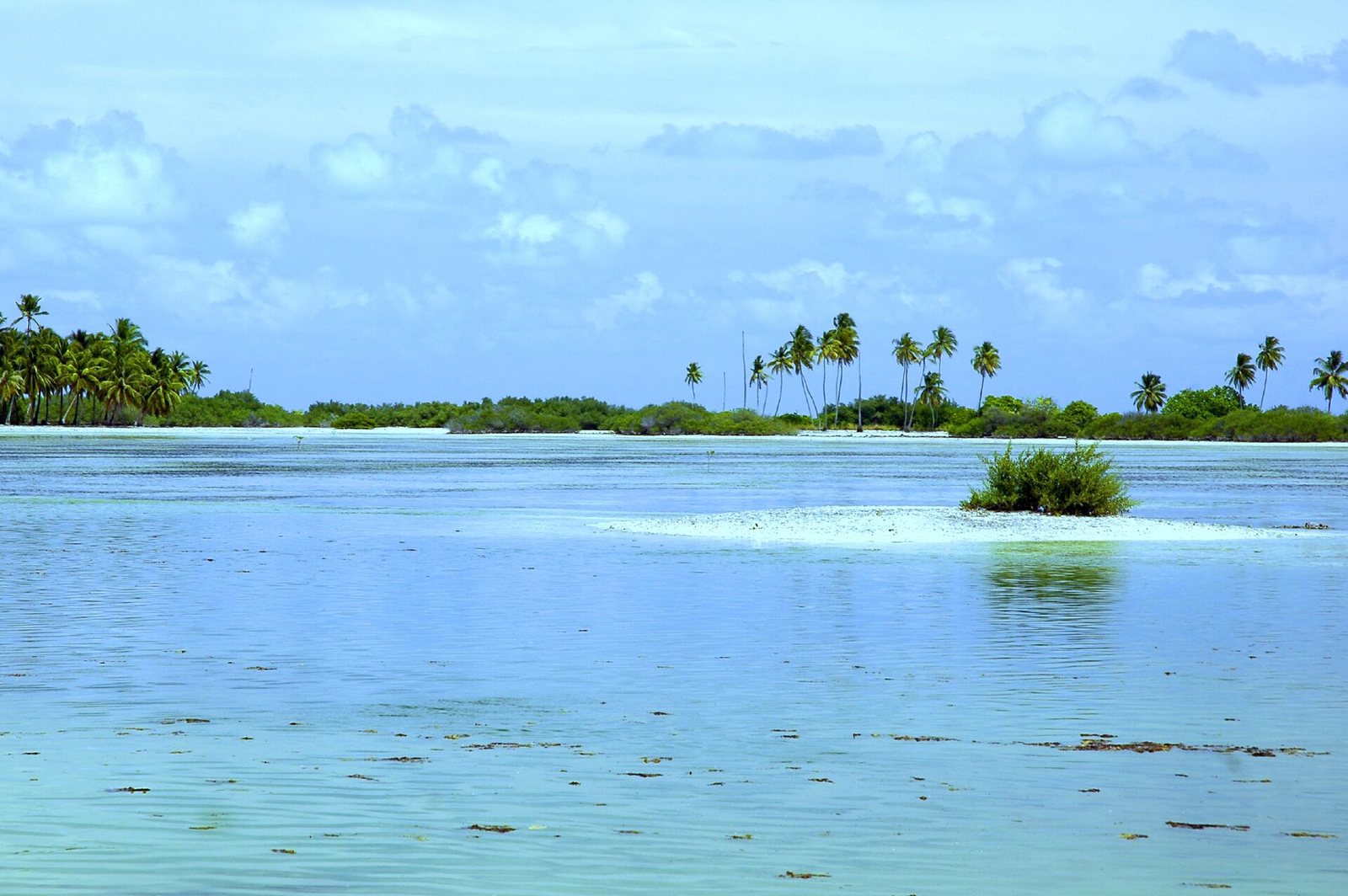
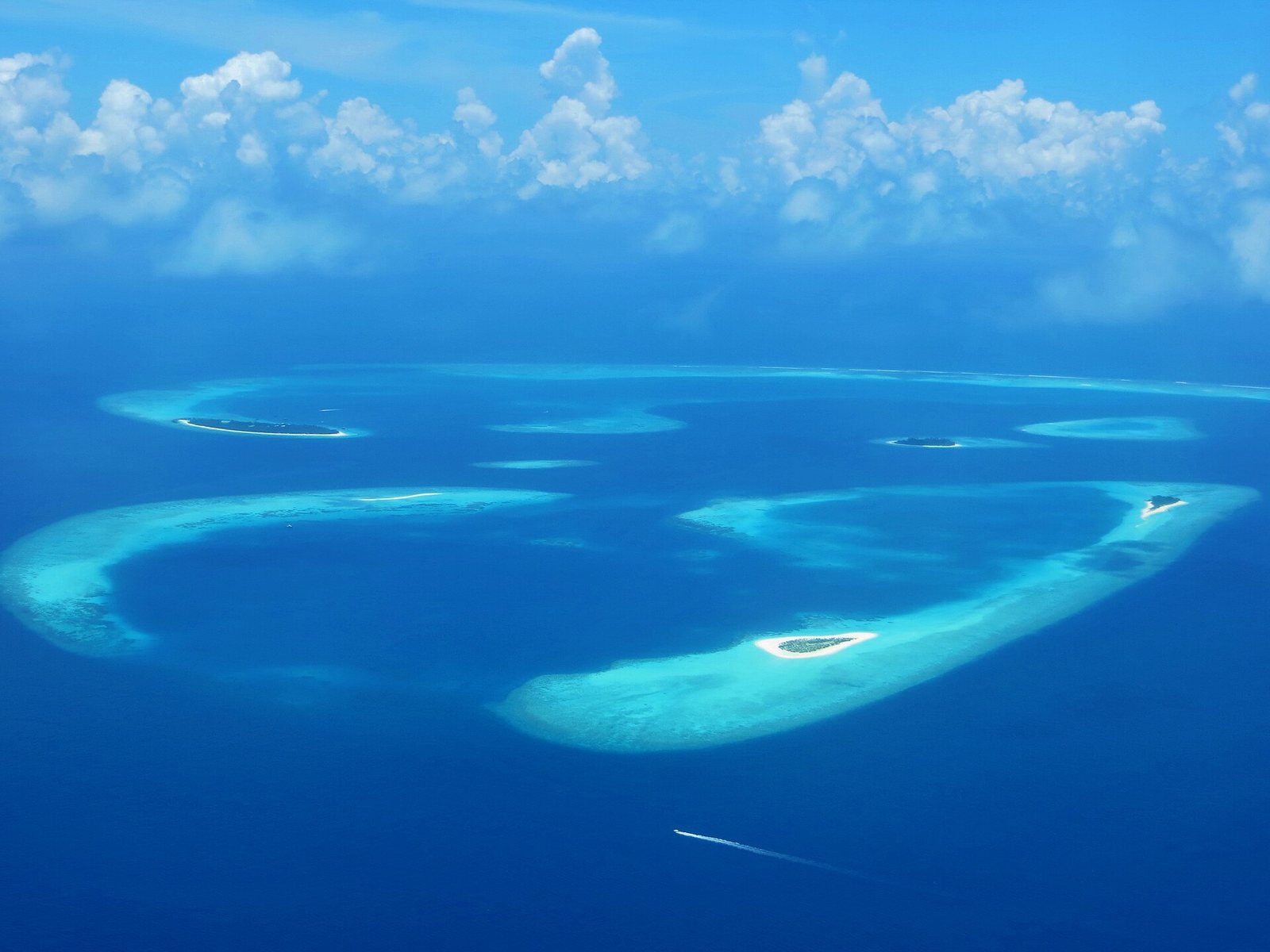
Baa is the place to see mantas. Each year, mainly between June and November, currents push plankton into the funnel shaped **Hanifaru Bay**, and mantas arrive to feed, sometimes in dozens or more, swirling in feeding chains just below the surface. Whale sharks sometimes join them. The atoll also has healthy reefs, sandbanks, mangroves on islands such as Goidhoo, and a deep tradition of craft.
Hanifaru Bay
Hanifaru Bay is a protected area with strict rules. Scuba diving inside the bay is not allowed, snorkelling is limited to set times and numbers, and visitors go with licensed guides and rangers. Access arrangements change, so check the current rules with your resort or guesthouse. Sightings depend on the moon, tides and plankton, so plan several days in Baa if mantas are your priority. Outside the bay, cleaning stations around the atoll offer good manta diving through much of the season.
Local islands
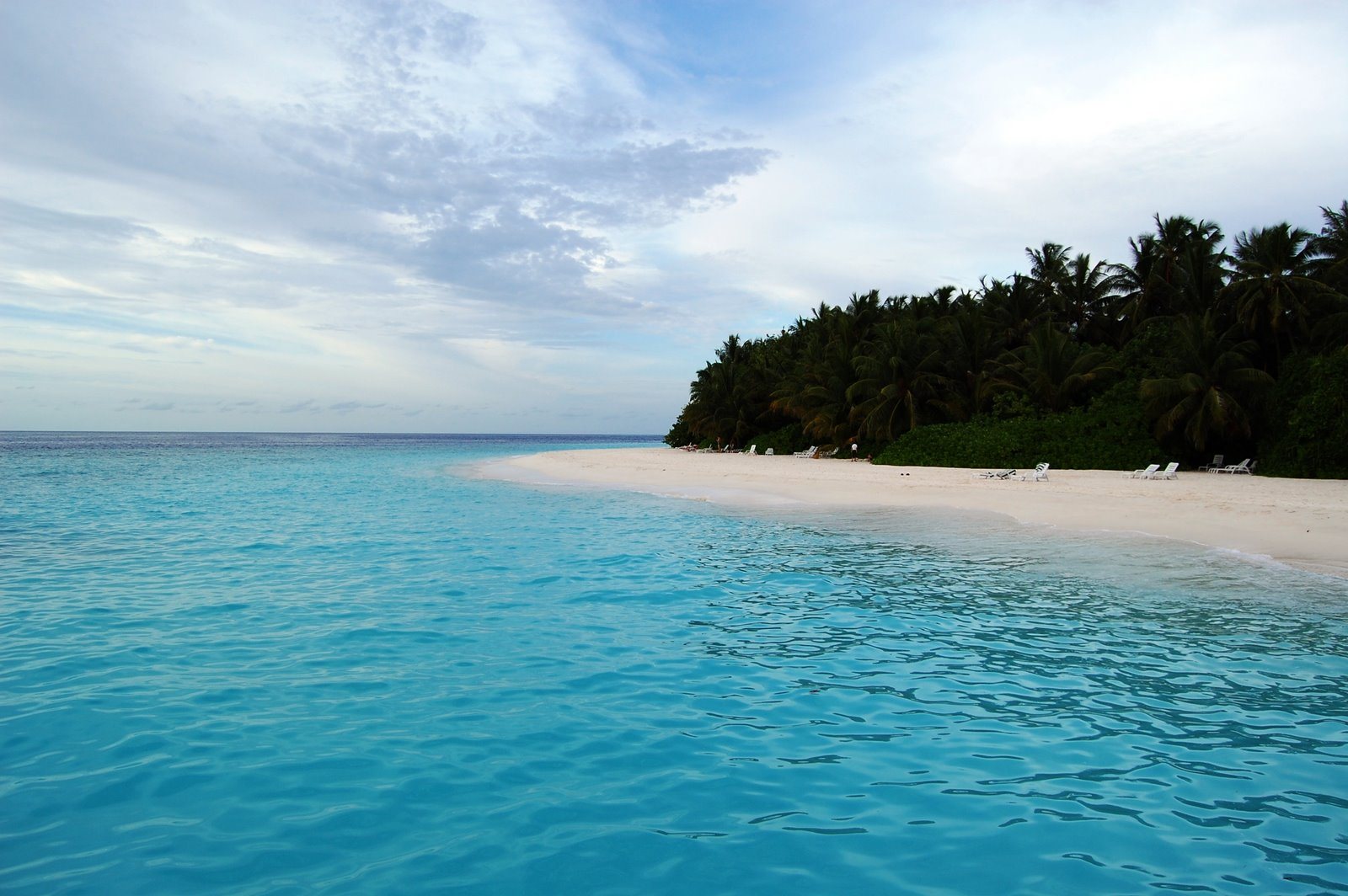
**Dharavandhoo** is the main local island for visitors, with guesthouses, a bikini beach and a domestic airport. It is the closest island to Hanifaru Bay, so guesthouse guests are often first on the water. **Thulhaadhoo** is famous for **lacquerwork**, called liyelaa jehun, where craftspeople turn wood and decorate it with layers of red, black and yellow lacquer. **Goidhoo**, in its own small ring of reef, is a large green island with mangroves and a quiet lagoon.
Resorts
Baa has many of the country's best known resorts. **Soneva Fushi** is a barefoot, jungly island with an observatory, open air cinema and villas hidden in the trees. **Four Seasons Landaa Giraavaru** has a marine discovery centre with manta and turtle programmes. **Anantara Kihavah** has **SEA**, an undersea restaurant with a wine cellar below the reef. **Dusit Thani**, **Amilla**, **Royal Island**, **Reethi Beach**, **Coco Palm Dhuni Kolhu** and **Milaidhoo** cover a range of styles, from family friendly to intimate.
Things to do
Beyond the mantas, Baa offers sandbank picnics, sunset dolphin cruises, turtle snorkelling on resort house reefs, night fishing and visits to local islands to see crafts. Resort marine biologists often run talks and reef walks, which are a good way to learn how the biosphere reserve works.
Food
Resort dining ranges from beach barbecues to tasting menus. On local islands, guesthouses serve tuna curry, grilled fish, **mas huni** and **roshi**, and fruit from island gardens. Try **bondibaiy**, a sweet rice pudding, and fresh **kurumba**, young coconut.
How long to stay
Four nights is a sensible minimum in manta season, because feeding events at Hanifaru Bay come and go with the tides and the moon, and a single bad weather day can cancel a trip. Seven nights gives you a good chance of a big day and time to enjoy the reef, a sandbank and a visit to a craft island. Outside manta season, Baa is still a lovely atoll for snorkelling, turtles and a quiet resort stay, and the drier months from December to April bring the calmest seas and clearest water.
Getting there
Seaplanes from Velana take around half an hour to most Baa resorts and fly only in daylight. Domestic flights go to **Dharavandhoo**, from where resorts and guesthouses arrange short boat transfers. Shared speedboats from Malé to Baa take longer and depend on sea conditions.
Tips
In manta season, rain and wind are more likely, so pack a light rain layer and allow flexibility for boat trips. Use reef safe sunscreen, never touch mantas or coral, and follow ranger instructions inside the protected bay.
Questions about Baa Atoll
When is the best time to see mantas in Baa Atoll?
Mainly from June to November, during the southwest monsoon. Peak feeding events depend on tides and the moon, so stay several days.
Can I dive in Hanifaru Bay?
No, scuba diving is not allowed inside the bay. Snorkelling is permitted with licensed guides under set limits. Check current rules locally.
Is there a budget way to visit Baa Atoll?
Yes. Guesthouses on Dharavandhoo are much cheaper than resorts and are close to Hanifaru Bay.
Why is Baa Atoll a biosphere reserve?
UNESCO recognised Baa in 2011 for its rich reefs and mangroves and its work to balance fishing, tourism and conservation.
Facts checked . Fees, schedules and entry rules change, so always confirm the latest with the official source.