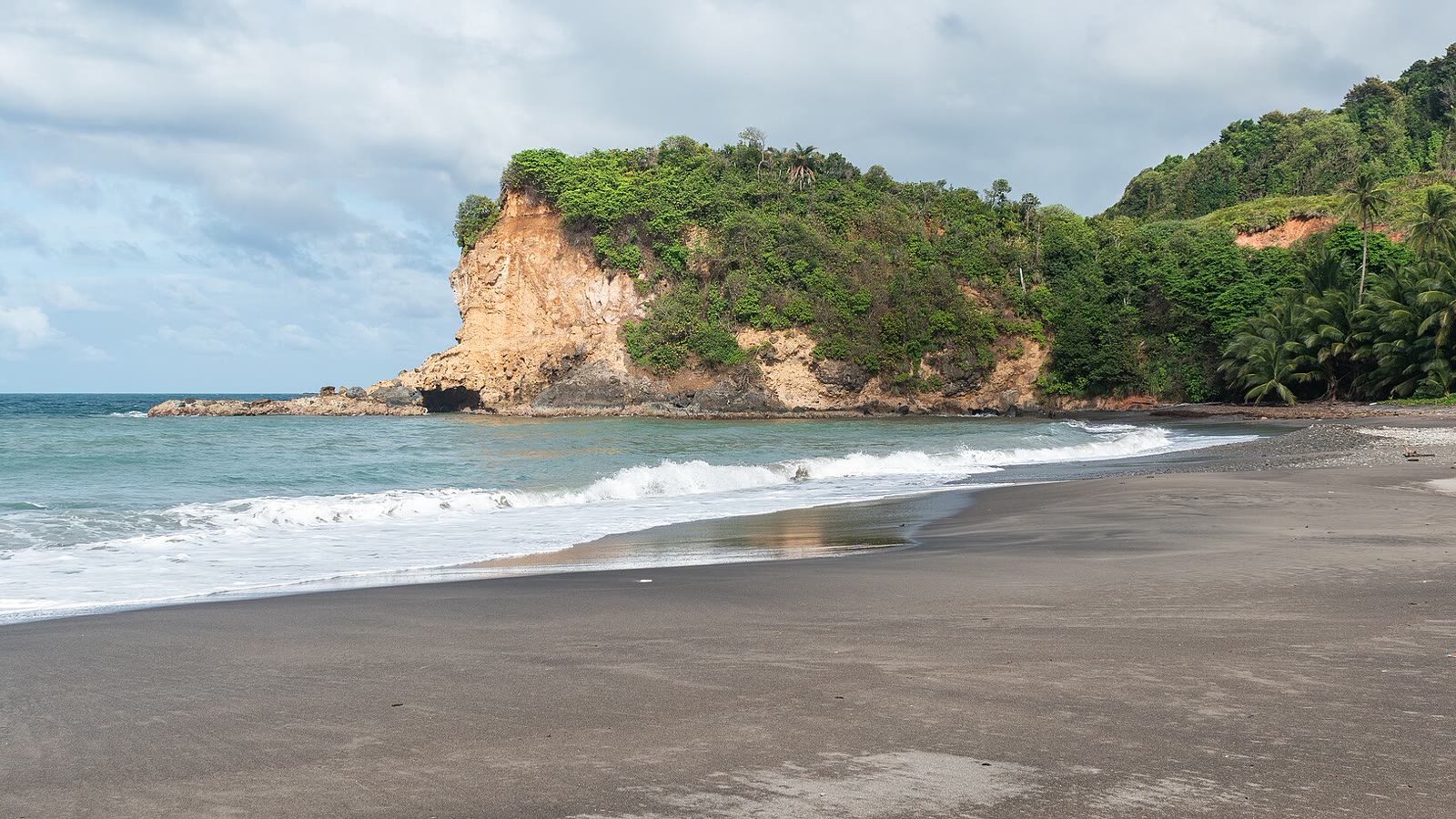
Number One Beach, Photo: Tournasol7, CC BY 4.0, via Wikimedia Commons
Find your Bliss in Dominica
Dominica, made simple: rainforest, hot springs, waterfalls and whales on the Nature Island
Dominica is the Nature Island of the Caribbean: a volcanic, mountainous country of rainforest, rivers, hot springs and reefs, where sperm whales live offshore all year and the Kalinago people still hold their own territory. It is wilder and less polished than its neighbours, which is exactly its charm. This guide explains how it all works so you arrive relaxed and ready to explore.
Your trip, step by step
- Before you goEntry rules, flights via regional hubs, hurricane season and insurance, answered
- ArrivingDouglas Charles Airport, the long drive to Roseau and your first night, explained
- Your days on the islandHikes, waterfalls, hot springs, reefs and Creole food, planned at a realistic pace
- Heading homeDeparture timings, connections and a last soak in the springs, so the end is calm too
Where to go, eat and stay
- Plain answersClear, honest guidance on the questions first-timers and returning Dominicans actually ask.
- Official sourcesEntry, health and safety facts point you to the official pages to confirm.
- No price surprisesWe explain the two currencies, the site pass, guide fees and taxi habits so nothing catches you off guard.
- Free to useEvery guide and the trip planner are free.
Our promise
Dominica should feel like warm rivers and mountain air, not a puzzle. We answer the questions about flights, entry, roads, guides, money, weather and safety before they start, so you arrive confident and ready to find your Bliss.
Most visitors split their stay between the Roseau side for hikes, hot springs and diving and the north for Portsmouth, the Indian River and quiet beaches. This guide shows how to do both.
How to use this guide
Four steps from first idea to a trip that feels easy.
- Choose your basesThe capital, the hot spring valley, the southern reefs, the north or the wild east: start with the destinations that fit you.
- Sort the essentialsEntry for your passport, the right season and current travel advice, checked against official sources.
- Pick your placesUse our places to visit list for waterfalls, hot pools, reefs, rum shops and stays across the island.
- Plan your routeUse the free trip planner to balance hikes, sea days and rest, with honest travel times on mountain roads.
Everything your Dominica trip needs
Free tools and guides for every stage of the journey.
Destinations
Roseau, the Roseau Valley, Soufrière and Scotts Head, Portsmouth and the Kalinago Territory, each explained in depth.
Explore destinationsPlaces to visit
More than a hundred waterfalls, hot springs, reefs, restaurants, markets and stays, from classics to hidden corners.
See places to visitFlights and stays
Search flights into Douglas Charles Airport and stays around the island.
Plan travelPlaces finder
Restaurants, sights and stays mapped around each base.
Find placesFree trip planner
Tell us your dates and interests and build a route that fits.
Plan your trip
The Nature Island
Volcanoes, rainforest, rivers and reefs on one small island
Dominica is young and volcanic, so its mountains are steep and green and its valleys run with hot springs. Morne Trois Pitons National Park, a UNESCO World Heritage site, holds the Boiling Lake, Trafalgar Falls, Titou Gorge and the Emerald Pool. Offshore, Champagne Reef fizzes with volcanic bubbles, the Soufrière Scotts Head Marine Reserve sits in a sunken crater, and sperm whales feed close to the west coast. The Waitukubuli National Trail links it all, from Scotts Head in the south to the Cabrits in the north.
- The Boiling Lake, Titou Gorge and Trafalgar Falls in the Roseau Valley
- Champagne Reef and Scotts Head for snorkelling and diving
- Sperm whale watching off the west coast
- The Indian River and Cabrits National Park near Portsmouth
Start with the destinations
See how the capital, the valley, the south, the north and the east fit together.
Dominica destinationsPlan with confidence
Your Dominica trip, without the worry
Dominica rewards a little preparation: entry checked for your passport, a flight connection that works, a base or two that match your plans, guides booked for the big hikes and a sense of the season, since rain can close trails and the late summer brings hurricane risk. Our free planner helps you shape it.
- The right base for hiking, diving or quiet beaches
- Realistic drive times on winding mountain roads
- Festival dates such as Carnival and the World Creole Music Festival
Where to go in Dominica
From the capital Roseau and the hot springs of the Roseau Valley to the reefs of Soufrière and Scotts Head, the rivers and forts of Portsmouth and the Kalinago Territory on the Atlantic coast.
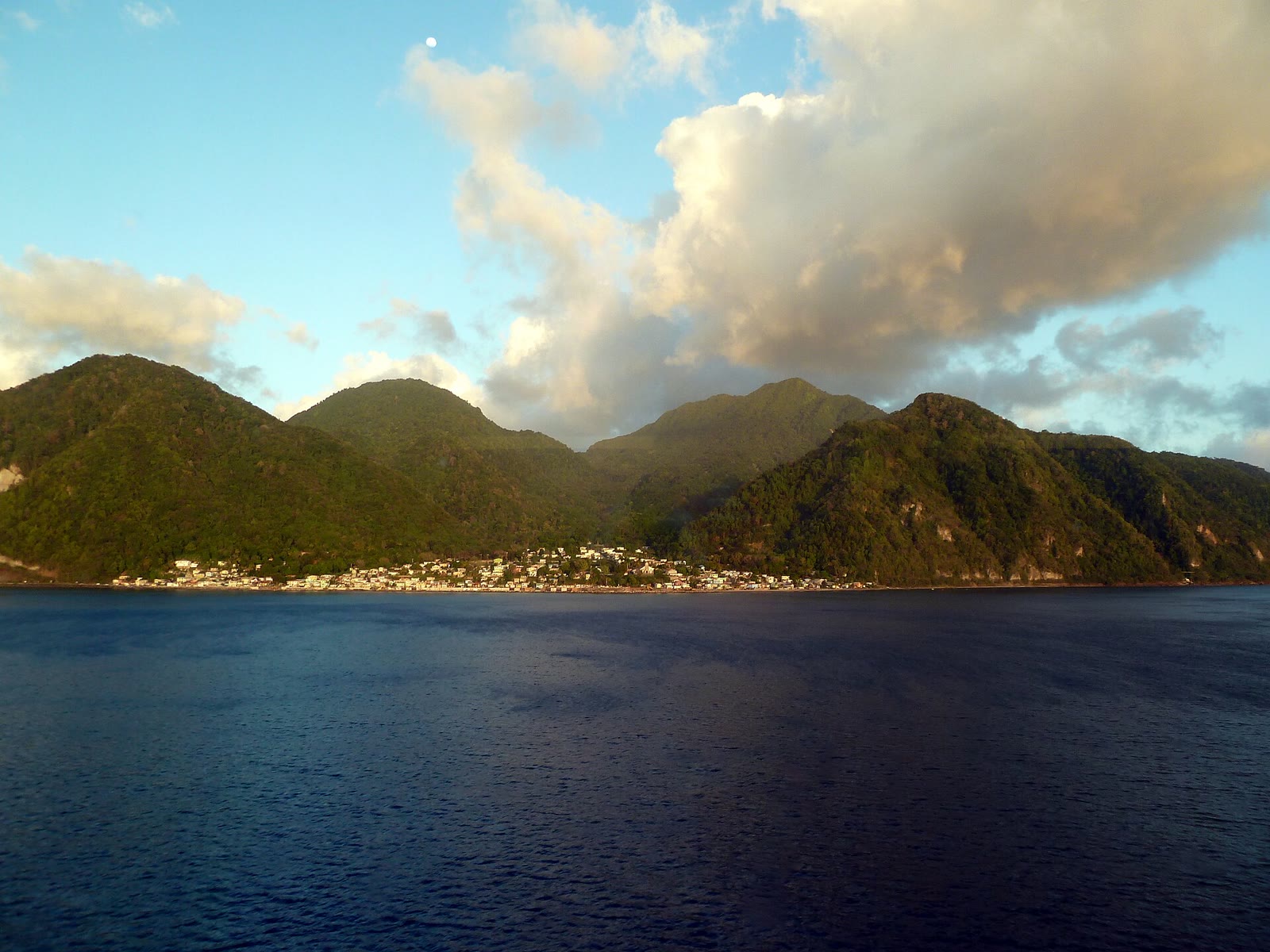
Saint George Parish, southwest Dominica
Roseau
A compact, lively Creole capital of wooden balconies, a busy waterfront market and green hills rising behind.
Read the guidePhoto: giggel, CC BY 3.0 , via Wikimedia Commons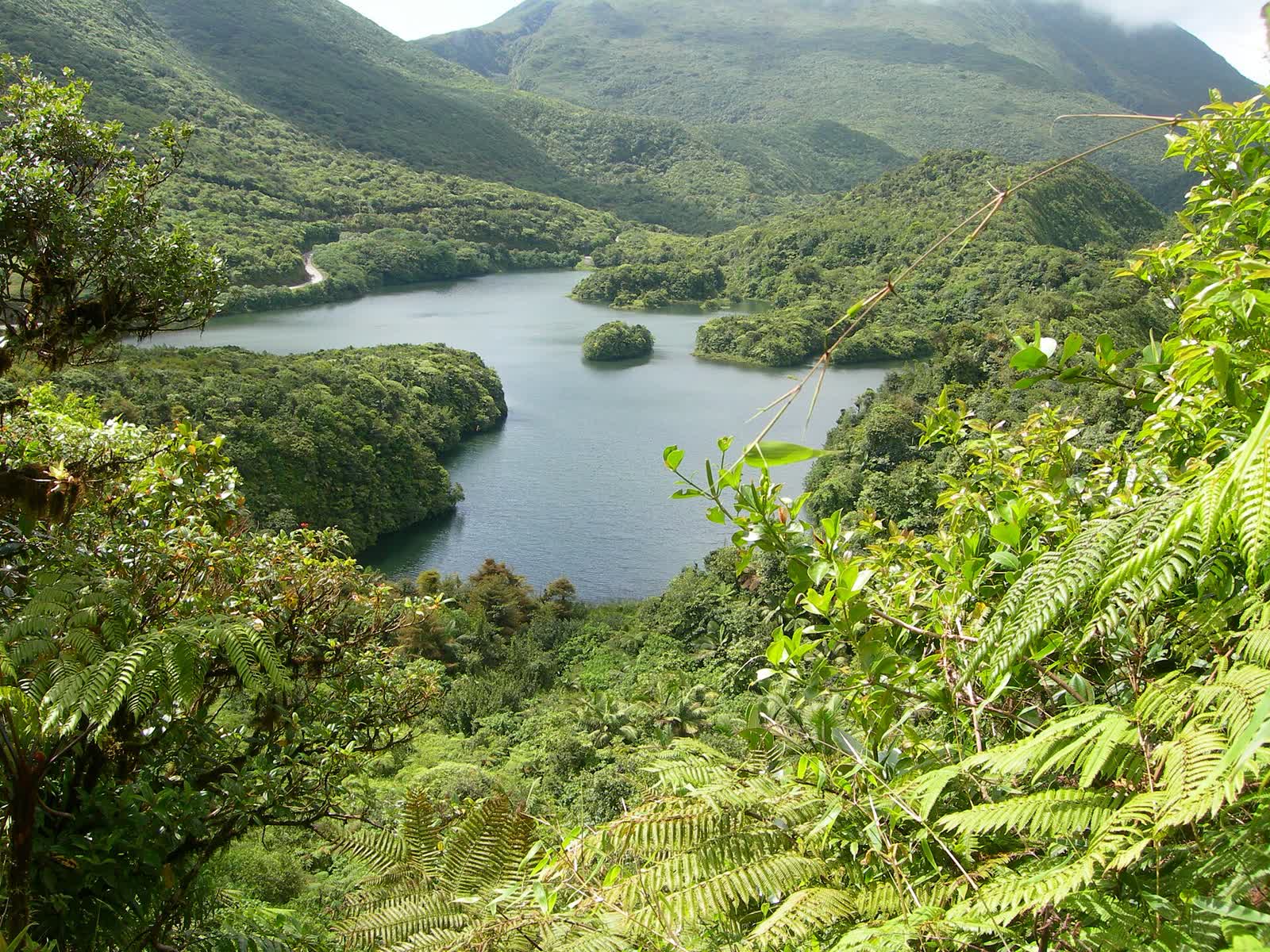
Morne Trois Pitons National Park and the villages of Trafalgar, Wotten Waven and Laudat
Roseau Valley
A steep green valley above the capital with twin waterfalls, sulphur hot pools and the trail to the Boiling Lake.
Read the guidePhoto: Charlottea, CC BY-SA 3.0 , via Wikimedia Commons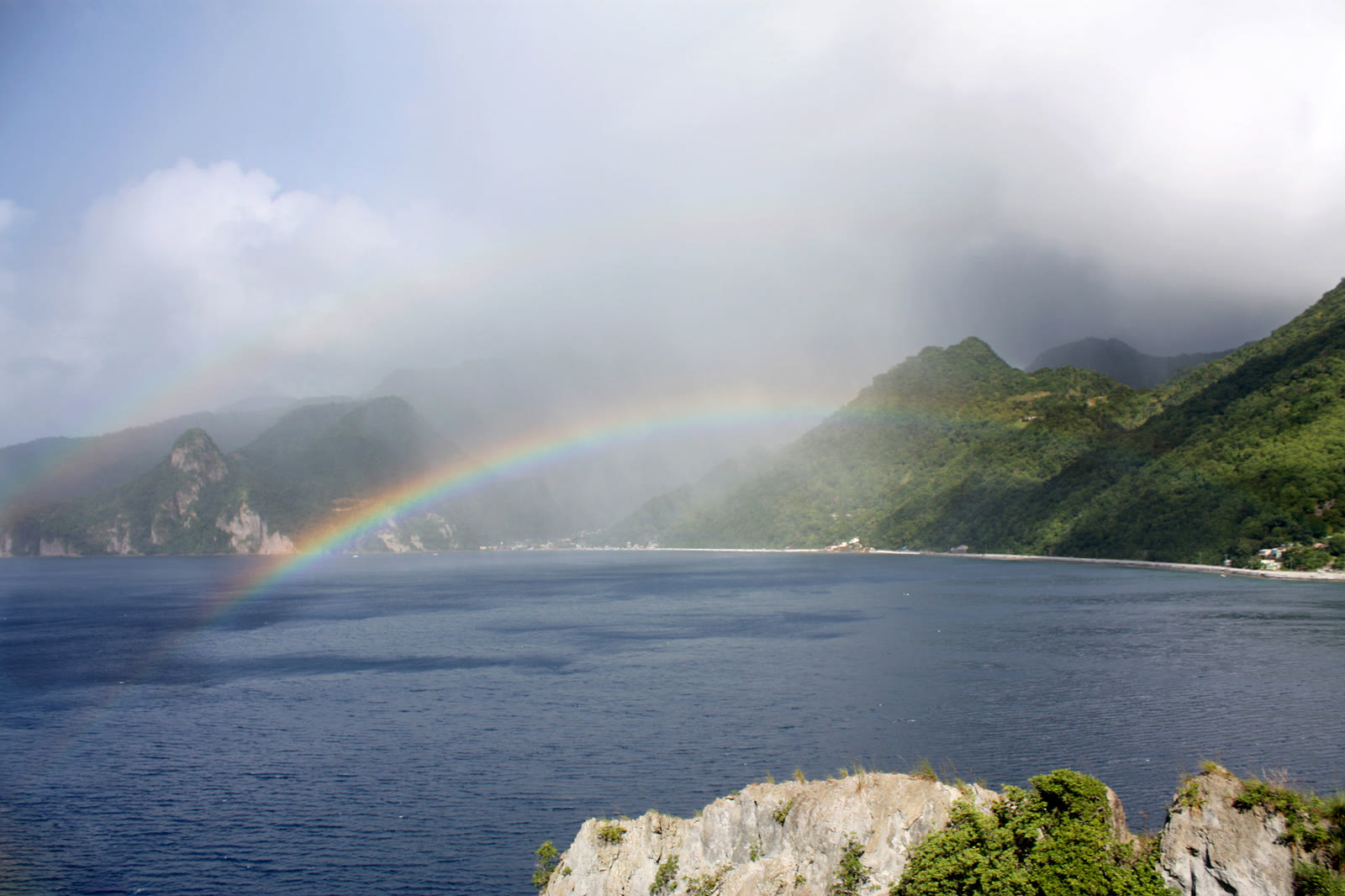
Saint Mark Parish, southern Dominica
Soufrière and Scotts Head
A sunken volcanic crater turned marine reserve, with bubbling reefs, hot pools and fishing villages on the southern tip.
Read the guidePhoto: Postdlf, CC BY-SA 3.0, via Wikimedia Commons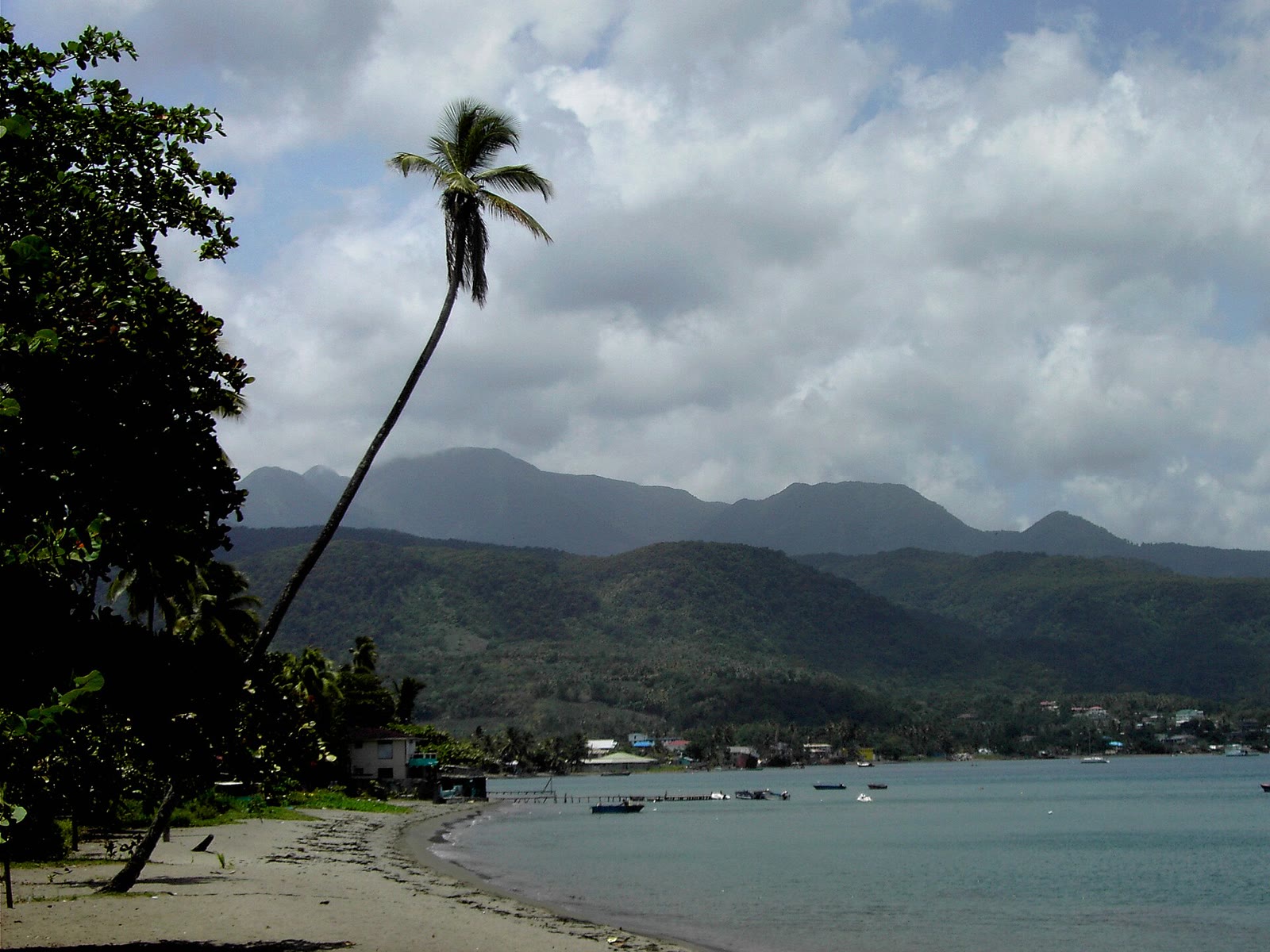
Saint John Parish, northwest Dominica
Portsmouth
Dominica's second town on a wide sheltered bay, with a rainforest river, an old fort and the parrots of Morne Diablotin nearby.
Read the guidePhoto: Hans Hillewaert, CC BY-SA 3.0 , via Wikimedia Commons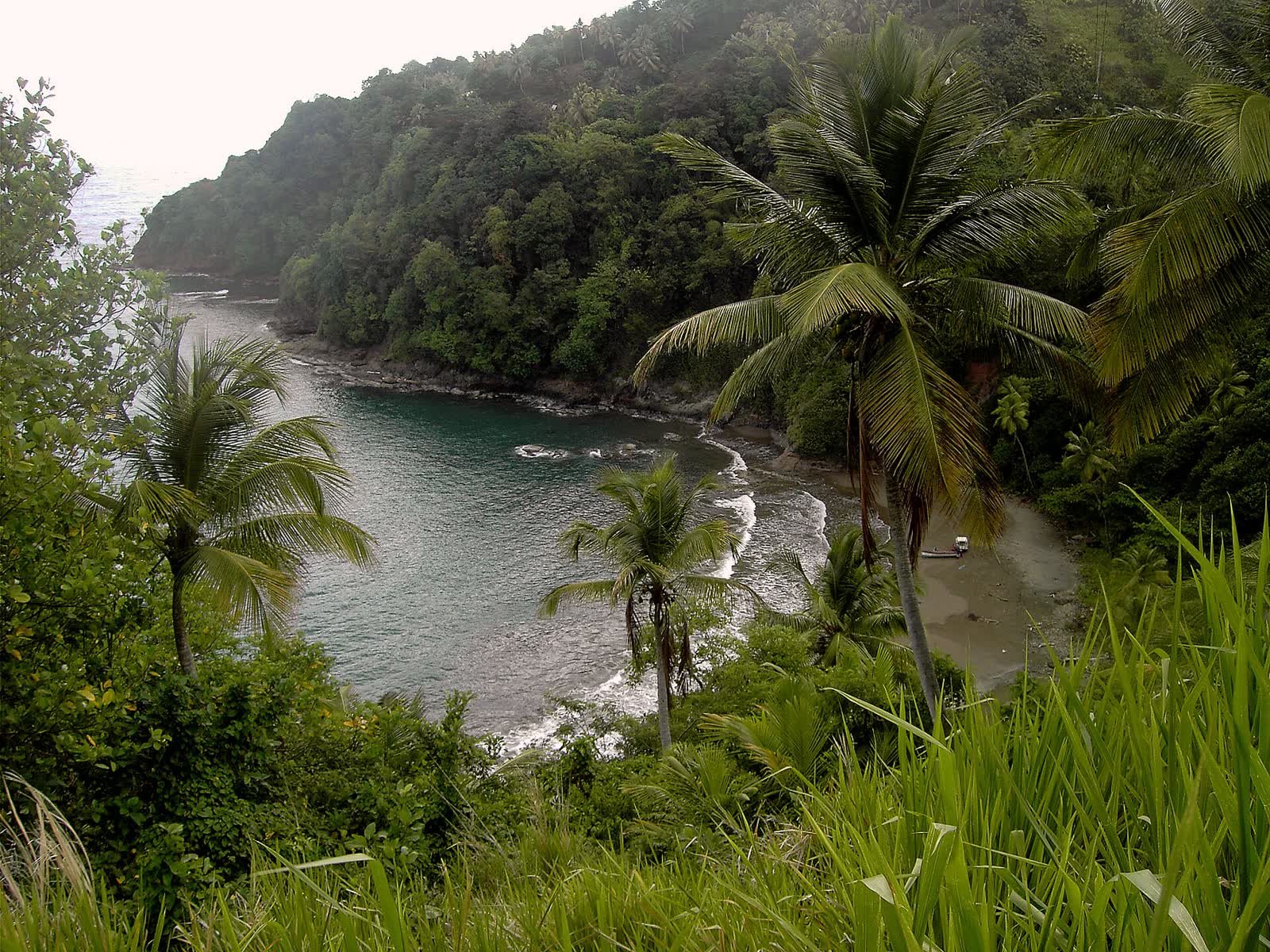
East coast, between Atkinson and Castle Bruce
Kalinago Territory
The home of the Kalinago people, the Caribbean's indigenous community, on a wild and beautiful stretch of the Atlantic coast.
Read the guidePhoto: Hans Hillewaert, CC BY-SA 3.0 , via Wikimedia Commons
A note from our founder
A note from our founder
My first time visiting Kenya, I was genuinely surprised with how fast it began feeling like home. The people are so friendly, the food is delicious and familiar, and the accommodations are modern and upscale.
During my travels throughout the continent, I commonly hear tourists share stories about being scammed or taken advantage of, which is both frustrating and disheartening.
Living in Kenya for the last 2 years, I have had the great fortune to meet a network of wonderful Kenyans who have continuously help guide my family's journey. Their shared knowledge has not only greatly enhanced our overall experience here, but it has also saved us tons of time, energy, and resources.
With BlissPoint Travel, my hope is to build a global community that is willing to share useful, uncommon knowledge so that we can all blissfully enjoy the wonders our world has to offer.
Questions we hear most
Is Dominica good for first-time Caribbean travellers?
Yes, if you love nature more than resorts. English is the official language, people are friendly and the main sights are well signed. Roads are winding and flights usually connect through a regional hub, so a little planning makes it very relaxed.
Do I need a visa for Dominica?
It depends on your passport. Many nationalities can visit without a visa for a set period, while others must apply in advance. Check the Government of Dominica and your own government's travel advice before you book.
What currency is used in Dominica?
The Eastern Caribbean dollar, which is pegged to the US dollar. US dollars are widely accepted, and cards work at hotels and larger restaurants, but carry local cash for buses, markets, guides and small bars.
When is the best time to visit Dominica?
February to May is the driest and best for hiking. Late October brings the World Creole Music Festival and Independence. Hurricane season runs from June to November, with the highest risk from August to October.
Does Dominica have beaches?
Yes, but fewer white sand ones than its neighbours. The west coast has grey and black volcanic sand, while the north around Calibishie has golden coves such as Batibou. Most visitors come for rivers, waterfalls and reefs as much as the sand.
How many days do I need in Dominica?
A week suits most first visits: three or four nights near Roseau for the valley, Boiling Lake and Champagne Reef, then three nights in the north for Portsmouth, the Indian River, Calibishie and the Kalinago Territory.
Ready to find your Bliss in Dominica?
Tell us your dates and interests and use the free trip planner to shape a Nature Island trip that feels easy.