At a glance
- Best for
- Architecture, history, beer, music and nightlife
- Airport
- Václav Havel Airport Prague (PRG), about thirty to forty minutes from the centre
- Time needed
- Three to four days
- Best season
- April to June and September to October, plus December for markets
- Getting around
- Walking, trams, three metro lines and taxi apps
- Good base for
- Kutná Hora, Karlštejn, Terezín and Bohemian Switzerland
Why go
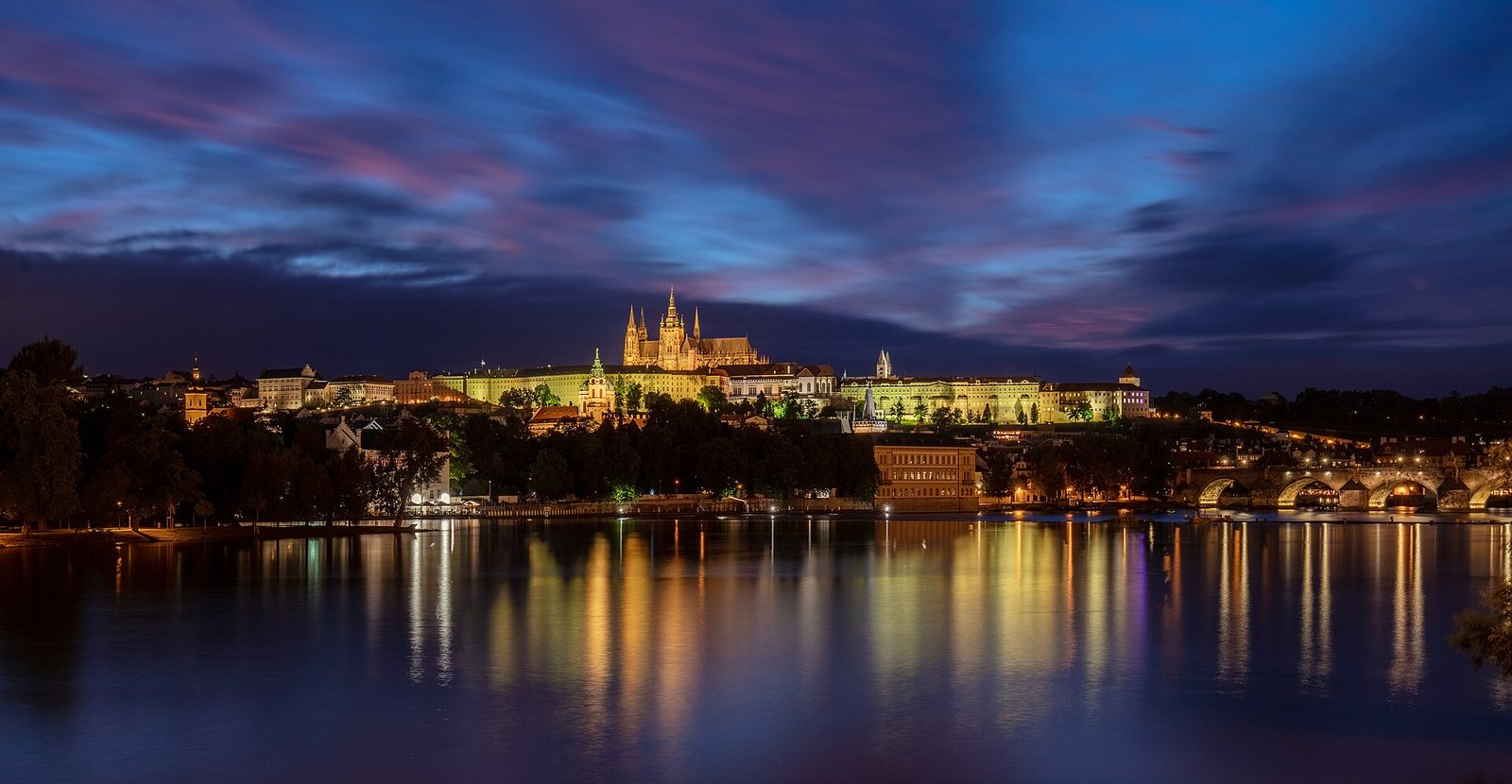
Few cities pack so much beauty into such a small area. In a single day you can walk from the Old Town Square, with its astronomical clock, across Charles Bridge and up the hill to Prague Castle, the largest ancient castle complex in the world. Beyond the postcard centre, Prague is a real, lived in city with leafy parks, riverside bars, a strong café culture and some of the best value classical music and opera in Europe.
The main sights
**Prague Castle** holds St Vitus Cathedral, the Old Royal Palace and the tiny houses of Golden Lane. Arrive at opening time to beat the crowds, and stay for the changing of the guard at noon. Walk down through **Malá Strana**, the Lesser Town, with its baroque palaces and St Nicholas Church, to **Charles Bridge**, lined with statues and best at sunrise.
On the other bank, the **Old Town Square** gathers the Týn Church, the Old Town Hall and the **Astronomical Clock**, whose figures parade every hour. Nearby **Josefov**, the old Jewish quarter, has the Old New Synagogue, the haunting Pinkas Synagogue and the Old Jewish Cemetery, all part of the Jewish Museum in Prague. **Wenceslas Square** in the New Town is the long boulevard where the Velvet Revolution of 1989 played out.
For views without crowds, climb **Petřín Hill** through orchards to its lookout tower, or head south to **Vyšehrad**, a hilltop fortress with a cemetery where Dvořák and Smetana rest.
Neighbourhoods worth exploring
**Vinohrady** is elegant and residential, with wine bars, cafés and the lovely Riegrovy Sady beer garden. **Žižkov** next door is grittier, with more pubs per street than almost anywhere in Europe and the strange TV tower with crawling babies. **Holešovice** is the creative district, home to the DOX contemporary art centre, the Vnitroblock warehouse and the Letná beer garden with its famous view of the bridges. **Karlín** has smart brunch spots and riverside walks.
Food and drink
Try svíčková, beef in a creamy vegetable sauce with bread dumplings, or roast pork with sauerkraut and dumplings. Grab chlebíčky, open sandwiches, from a deli, and leave the trdelník, the chimney cake sold in the centre, as a fun snack rather than a tradition: it is not really Czech. Above all, drink beer in a proper pub, where unpasteurised tank Pilsner Urquell is poured with great care.
Where to stay
First timers enjoy staying in the Old Town or Malá Strana for atmosphere, though both are busy at night. The New Town is central and well connected. Vinohrady and Karlín are quieter, with more local life and easy tram links.
Getting around
The centre is walkable, but cobbles and hills make comfortable shoes essential. Trams and the metro are cheap and efficient; buy a ticket in the PID Lítačka app, at machines or with a contactless card on many trams, and validate paper tickets before you ride. From the airport, take the bus to Veleslavín or Nádraží Veleslavín metro, the airport express bus to the main station, or a taxi app.
Practical tips
Avoid the exchange booths around the centre, never accept street offers to change money, and choose to pay in koruna when a card machine asks. Keep bags zipped on tram 22 and around the Astronomical Clock. Many restaurants on the Old Town Square charge far more than a few streets away, so wander before you sit down.
Questions about Prague
How many days do I need in Prague?
Three days covers the main sights at a comfortable pace. Add a fourth for a day trip to Kutná Hora, Karlštejn Castle or Terezín.
Is Prague walkable?
Yes. The Old Town, Malá Strana and the castle are all within walking distance, though the climb to the castle is steep. Trams fill the gaps and run late.
When is Prague least crowded?
Weekdays from January to March and in November are quietest. In summer, visit the big sights early in the morning or in the evening.
Is Prague good for a first trip to Europe?
Very. It is safe, compact, easy to navigate in English and well connected by train to Vienna, Berlin, Budapest and Munich.
Facts checked . Fees, schedules and entry rules change, so always confirm the latest with the official source.