At a glance
- Best for
- Arrivals, museums, food and day trips
- Gateway
- Juan Santamaría International Airport (SJO)
- Time needed
- One to two nights
- Best season
- December to April for drier days
- Getting around
- Walking by day, red taxis and ride apps
- Language
- Spanish, with English in hotels
Why stop in San José
San José is where most international flights land, even though the airport itself sits in Alajuela, about half an hour west. The city is not built for postcards: traffic is heavy, the architecture is a mix of grand old buildings and concrete, and the pavements can be uneven. What it does have is everyday Tico life. Office workers queue for gallo pinto at breakfast, families stroll the pedestrian boulevards on Sundays and the bars of Barrio Escalante fill on weekday evenings.
For diaspora visitors San José is often where family lives, and for first-timers it is an easy place to adjust to the altitude, the Spanish and the rhythm of the country before setting off.
The areas, explained
- **Downtown (Centro)** holds the big sights: the National Theatre, the Pre-Columbian Gold Museum under the Plaza de la Cultura, the Central Market and Avenida Central, the main pedestrian street. Visit by day and keep an eye on your bag in crowds.
- **Barrio Amón and Barrio Otoya**, just north of the centre, have old coffee baron mansions, small galleries and boutique hotels.
- **Barrio Escalante**, east of the centre, is the city's food street, with craft beer, cafés and restaurants along Calle 33. It is relaxed and popular with young Josefinos.
- **San Pedro** is the university district, home to the University of Costa Rica, with cheap eats and live music.
- **Escazú and Santa Ana**, to the west, are leafy, wealthier suburbs with malls and modern hotels, convenient for the airport.
Things to do in San José
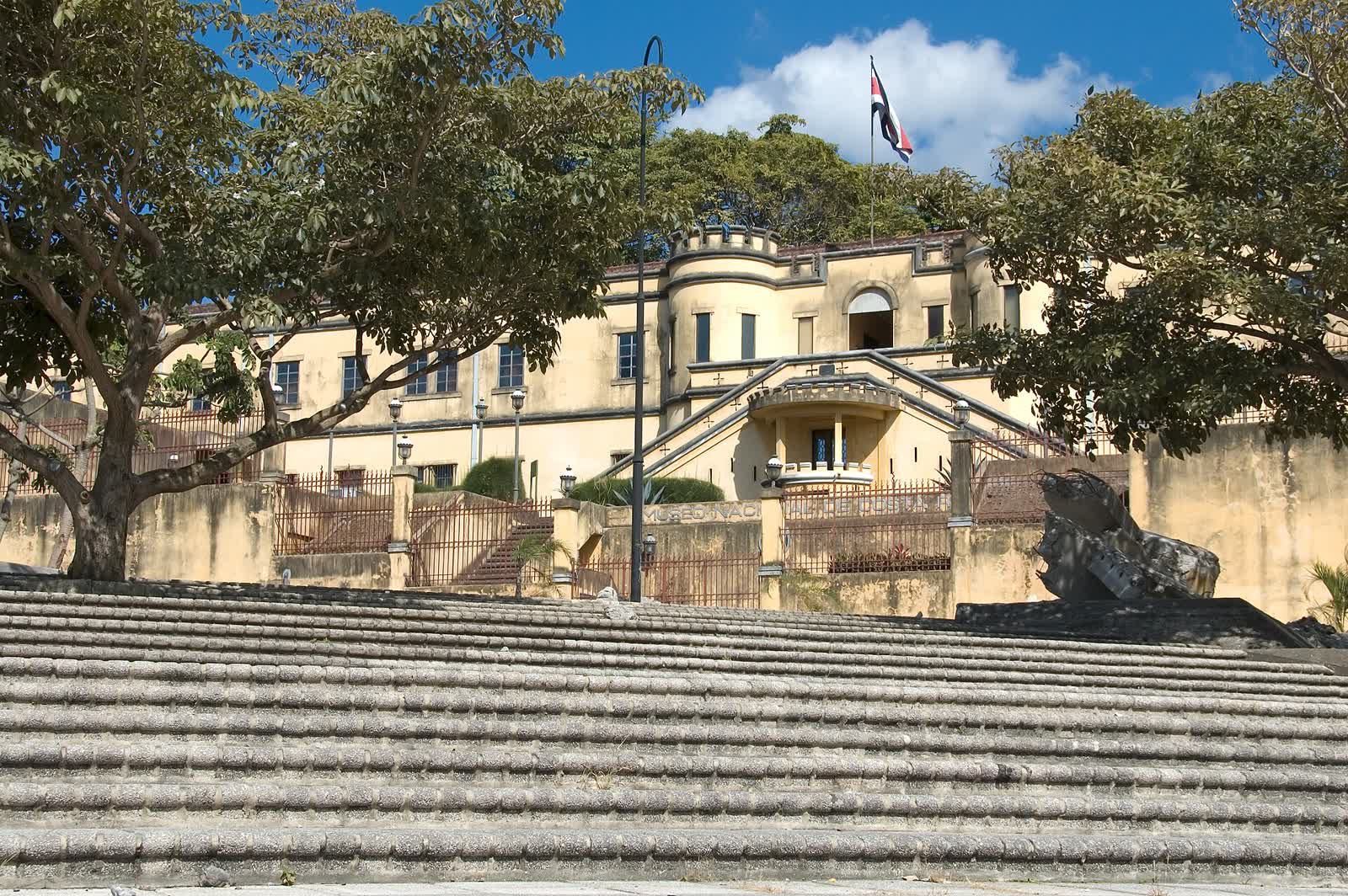
Start at the **Teatro Nacional**, an ornate theatre paid for by a coffee tax in the 1890s, with a café inside that is a lovely spot for a break. Underneath the plaza next door, the **Museos del Banco Central** hold a remarkable collection of pre-Columbian gold. The **Museo Nacional**, in a former army barracks still marked by bullet holes from the 1948 civil war, tells the story of the country and has a butterfly garden at its entrance. The **Jade Museum** across the road has the largest collection of American jade anywhere.
Wander the **Mercado Central**, a maze of sodas, spice stalls, leather and coffee sellers that has been trading since 1880. Grab a seat at a counter and order a casado, the classic plate of rice, beans, salad, plantain and meat. **Parque La Sabana**, the city's big green park, is good for a walk, and the **Costa Rican Art Museum** sits in the old airport terminal at one end of it.
Day trips from the capital
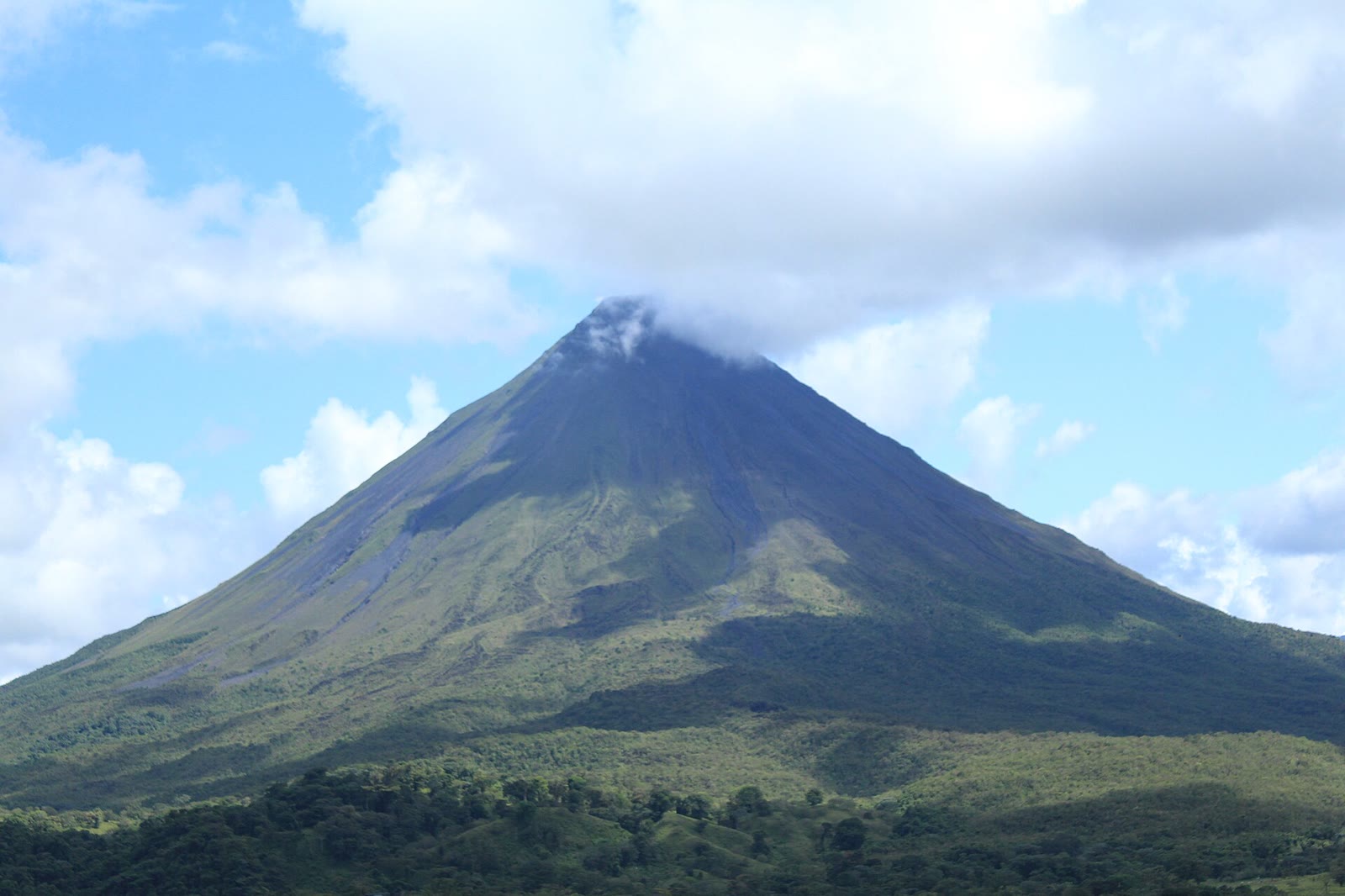
San José is the best base for the Central Valley. **Poás Volcano** and **Irazú Volcano** both have summit craters you can reach by road; go early before the clouds roll in, and check the national park site, as visits may need advance booking and can close when volcanic activity rises. **Doka Estate** and other coffee farms near Alajuela offer tours from bean to cup. The old capital **Cartago** has the Basilica of Our Lady of the Angels, the country's most important church, and the **Orosi Valley** beyond it has colonial ruins, hot springs and coffee country. Whitewater rafting on the Pacuare River is a popular full day out.
Food and nightlife
Eat at sodas, the small family restaurants serving casados and gallo pinto, for honest food at budget prices. Barrio Escalante has the trendier restaurants and craft breweries. Try a chifrijo, a bowl of rice, beans, fried pork and pico de gallo, with a cold Imperial at a local bar.
Staying safe in San José
San José has more crime than the rest of the country, mostly pickpocketing, bag snatching and theft from cars. Avoid walking downtown after dark, especially around the Coca Cola bus terminal and parts of the Zona Roja near Calle 8. Use red licensed taxis with a working meter, called the maría, or a ride app, and keep phones out of sight on the street.
Getting there and around
Taxis and ride apps run from the airport to the city, and the TUASA bus links Alajuela with downtown. Most of the city's sights are within walking distance of each other. For onward travel, public buses leave from several terminals, and private shuttle vans run to La Fortuna, Monteverde and the beaches. Use the free trip planner to fit San José into your route.
Questions about San José
Is San José worth visiting?
Yes, for a night or two. The museums, the Central Market and Barrio Escalante's restaurants give you a side of Costa Rica the beaches cannot, and it is the natural base for Poás, Irazú and coffee farm tours.
Where should I stay in San José?
Barrio Amón and Barrio Escalante suit visitors who want to walk to sights and restaurants. Escazú and the hotels near the airport suit early flights and drivers.
Is San José safe at night?
Stick to busy areas like Barrio Escalante and use a red taxi or ride app after dark. Avoid walking downtown late at night and keep valuables hidden.
How far is the airport from San José?
Juan Santamaría International Airport is in Alajuela, usually around half an hour to an hour by road depending on traffic.
Facts checked . Fees, schedules and entry rules change, so always confirm the latest with the official source.