At a glance
- Best for
- History, food, coffee culture, museums and mountain day trips
- Airport
- Sarajevo International Airport (SJJ), about twenty to thirty minutes from the old town
- Time needed
- Three days
- Best season
- May to June and September to October
- Getting around
- Walking, trams, buses and taxis
- Good base for
- Lukomir, Bjelašnica, Jahorina, Konjic and Srebrenica
Why go
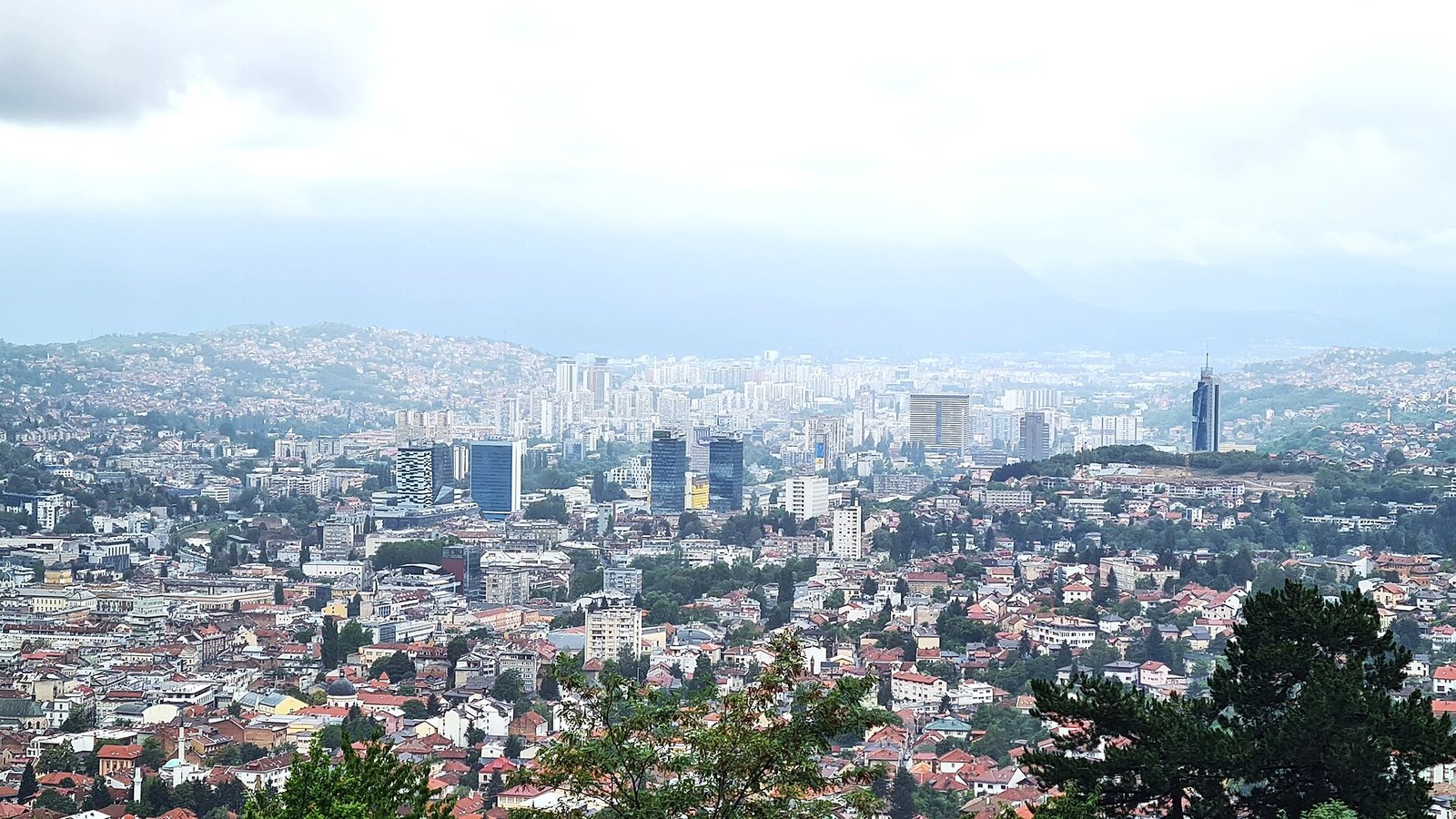
Sarajevo is one of the most rewarding cities in Europe for curious travellers. The food is generous, the coffee ritual is unhurried, and people are welcoming and quick to share their story. The city is compact enough to explore on foot, with a tram line running the length of the valley.
Top things to do
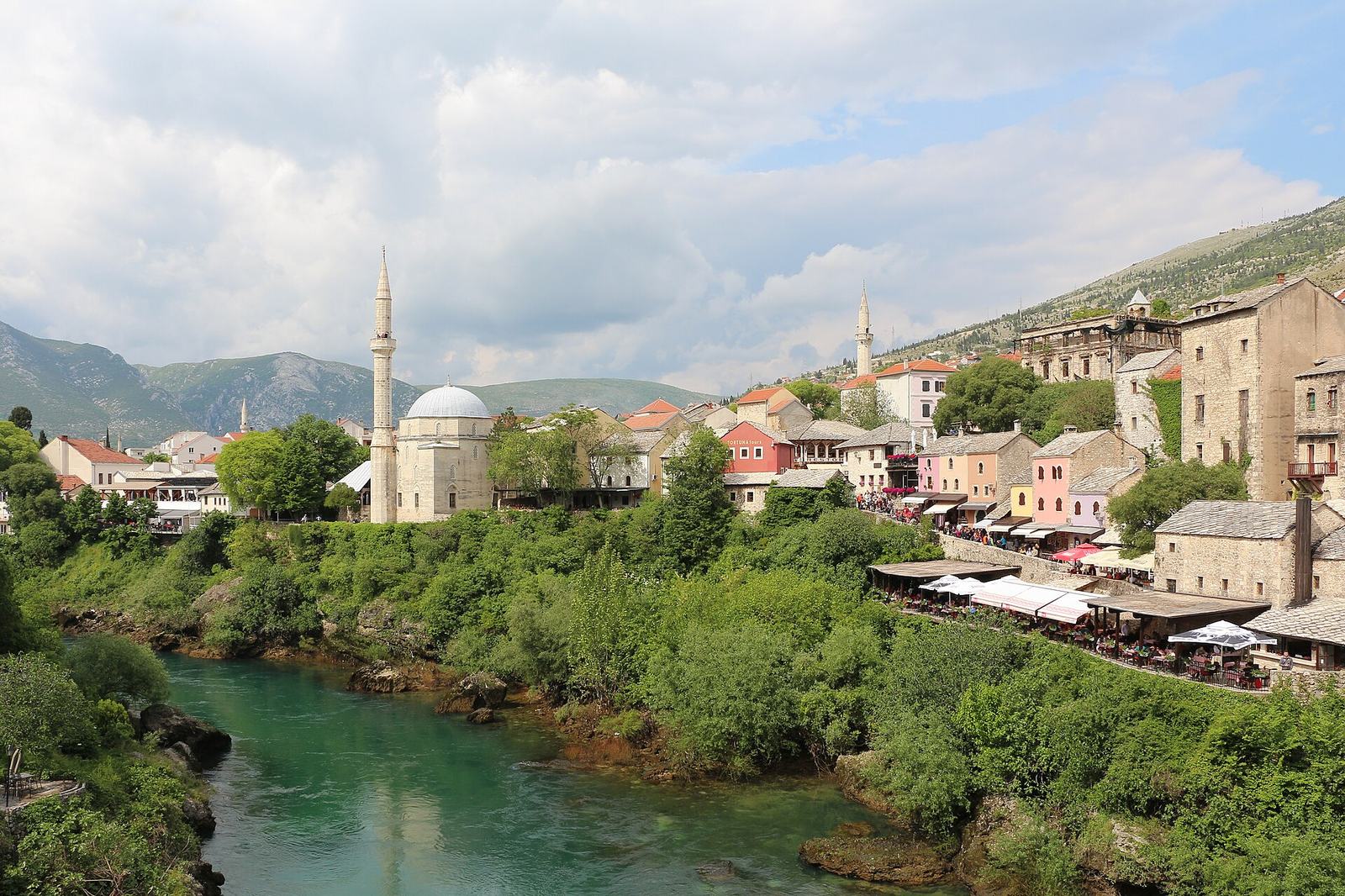
Start in **Baščaršija**, the Ottoman bazaar quarter, with the wooden **Sebilj** fountain, coppersmiths' street **Kazandžiluk** and the **Gazi Husrev-beg Mosque**. Walk west along **Ferhadija** street to the line on the pavement marked **Sarajevo Meeting of Cultures**, where Ottoman buildings give way to Austro-Hungarian ones. Nearby are the **Sacred Heart Cathedral**, the **Old Orthodox Church** and the **Old Synagogue**, now a Jewish museum.
At the **Latin Bridge**, Archduke Franz Ferdinand was assassinated in 1914; the small museum on the corner explains how. Across the river, the restored **Vijećnica** city hall burned with its library during the siege and is now a striking landmark.
To understand the 1990s, visit the **War Childhood Museum**, the **Galerija 11/07/95** about Srebrenica, and the **Tunnel of Hope** near the airport, the tunnel that kept the city alive. Then go up: the **Trebević cable car** climbs to a forested mountain with the old Olympic bobsleigh track, now covered in graffiti, and the **Yellow Fortress** is the classic sunset viewpoint over the minarets.
Day trips
The 1984 Winter Olympic mountains, **Bjelašnica** and **Jahorina**, are under an hour away for skiing in winter and hiking in summer. Beyond Bjelašnica, **Lukomir** is the highest village in the country, with stone houses and canyon views. **Konjic** has Tito's secret nuclear bunker and rafting on the Neretva, and the **Srebrenica Memorial Centre** at Potočari is a sombre, important visit.
Where to stay
Stay in or near **Baščaršija** and the old town for atmosphere, or around **Marijin Dvor** for modern hotels and easy tram links. Guesthouses in the hills above the old town have wonderful views but steep walks.
Practical tips
Carry cash for bakeries, cafés and taxis, and dress modestly when visiting mosques. In winter the valley can trap smoke and smog, so people with breathing problems should check air quality. Plan ahead with the free trip planner and browse places to visit.
Neighbourhoods to explore
Beyond Baščaršija, walk up to **Vratnik**, the old walled hillside quarter with its gates, small mosques and quiet lanes. **Kovači**, just above the bazaar, holds the Martyrs' Memorial Cemetery and views back over the old town. **Bistrik** is home to the brewery and the lower cable car station. In the evening, locals stroll the riverside and **Ferhadija**, and the cafés of **Titova** street stay busy late.
Food and coffee
Sarajevo is the place to try **ćevapi** in Baščaršija, flaky **burek** from a bakery, slow cooked dishes in an aščinica and a proper **Bosnian coffee** served in a copper džezva. Sweet shops sell baklava and **tufahija**, a poached apple stuffed with walnuts. Many grills close by early evening, so plan lunch around them.
Getting around
The old town is best on foot. A tram line runs along the valley from Baščaršija to Ilidža, and taxis are plentiful and affordable when the meter is used. Buses and minibuses link to the airport and the Tunnel of Hope.
Questions about Sarajevo
How many days do I need in Sarajevo?
Three days covers the old town, the main museums, the Tunnel of Hope and the cable car. Add a day or two for Lukomir, the Olympic mountains or Konjic.
Is Sarajevo safe for tourists?
Sarajevo is generally safe and friendly. Watch for pickpockets on trams and in Baščaršija, use licensed taxis, and stay on paths if hiking in the surrounding hills. Check your government's travel advice before you go.
How do I get from Sarajevo airport to the old town?
Taxis wait outside the terminal, and an airport shuttle bus runs to the centre. Agree that the taxi meter is on before you set off.
When is the Sarajevo Film Festival?
It is held in August each year and fills the city with screenings, parties and visitors. Book stays early if your trip falls in festival week.
Facts checked . Fees, schedules and entry rules change, so always confirm the latest with the official source.