At a glance
- Best for
- War history, forests and wildlife
- Getting there
- Train from Minsk in around three to four hours
- Time needed
- Two to three days with the forest
- Best season
- May to October
- Highlight
- Brest Fortress and Belovezhskaya Pushcha
- Getting around
- Walking, buses and app taxis
Why visit Brest
For Belarusians, Brest is a place of pilgrimage. The fortress became a symbol of resistance in the Second World War, and families come from across the country to see the memorial. For visitors, the city adds a gentle, walkable centre and easy access to one of Europe's great forests, which together make two or three days here a highlight of any trip.
Brest Fortress
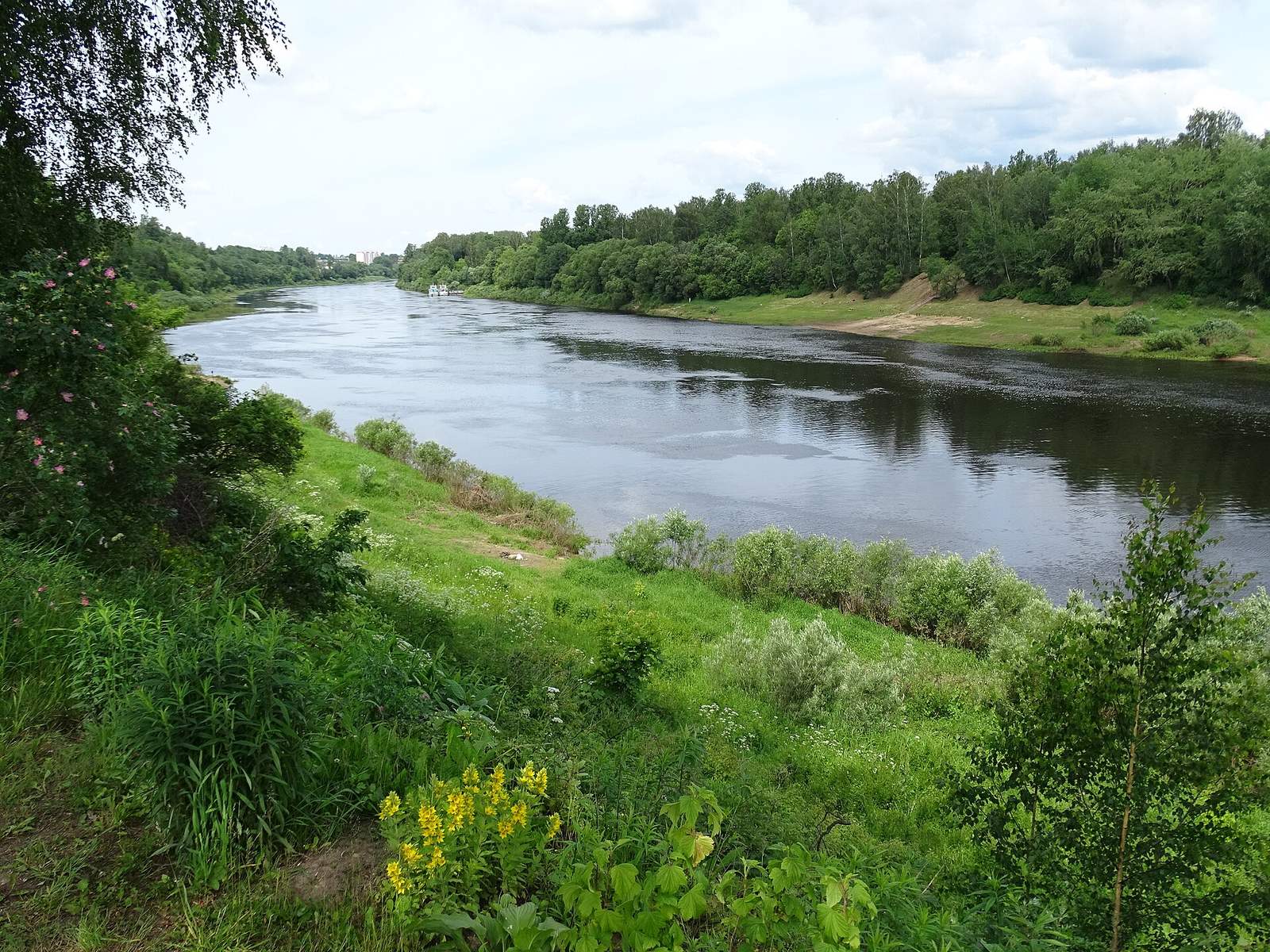
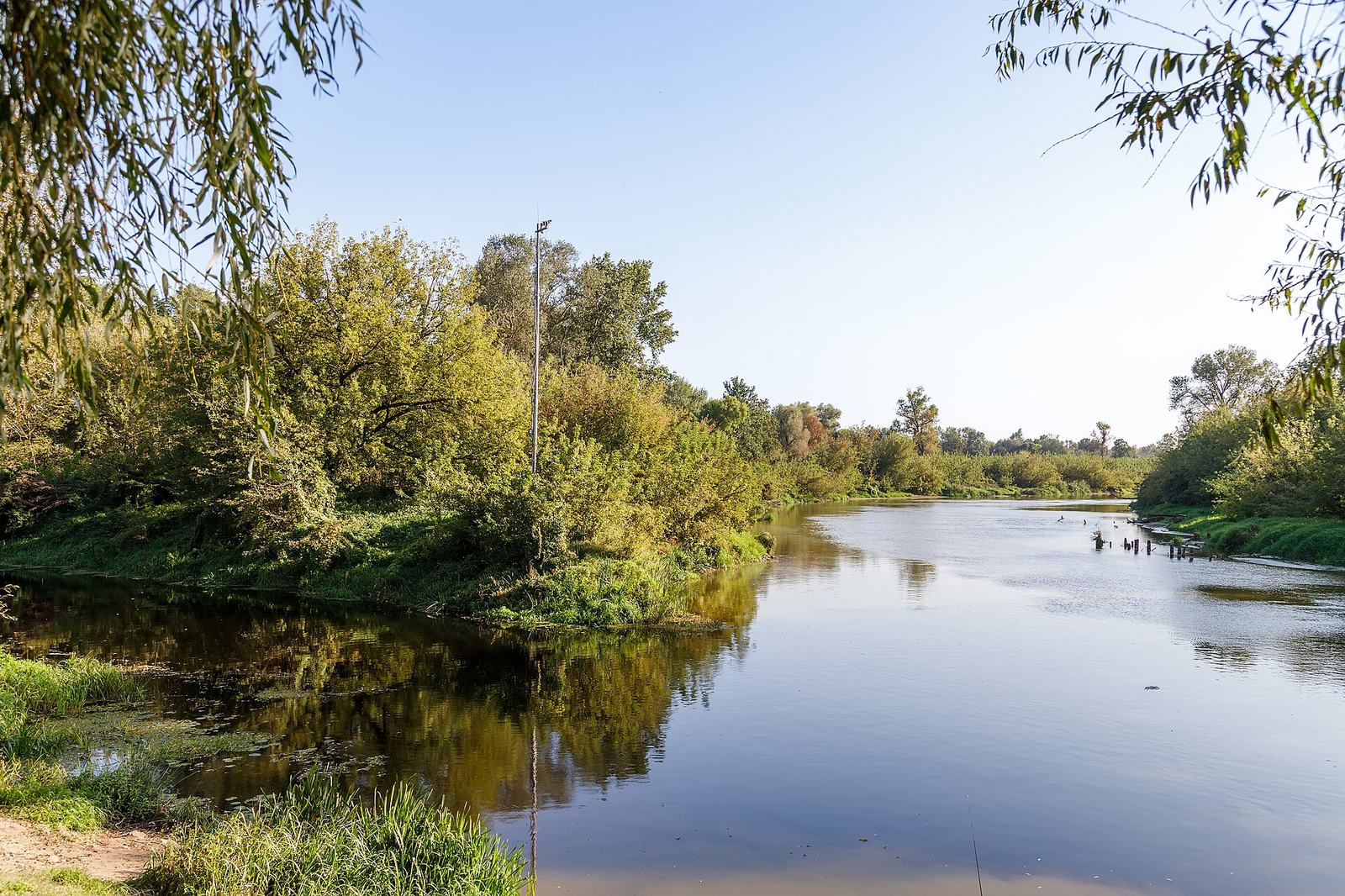
The **Brest Fortress Memorial Complex** covers a large area on islands where the Bug and Mukhavets rivers meet. You enter through a huge concrete star cut into a wall, then walk past ruined barracks, the restored **Saint Nicholas Garrison Church** and the giant **Courage** monument, a stone face of a soldier rising from the ground. Recorded radio broadcasts and solemn music play across the site, and the effect is powerful.
The **Museum of the Defence of Brest Fortress** tells the story through letters, photos and personal objects. Nearby, the **Berestye Archaeological Museum** protects the excavated remains of a wooden town from the 13th century under a modern roof, a rare and fascinating sight.
If you can, visit on the night of 21 to 22 June, when thousands gather at dawn to mark the moment the invasion began in 1941.
The city centre
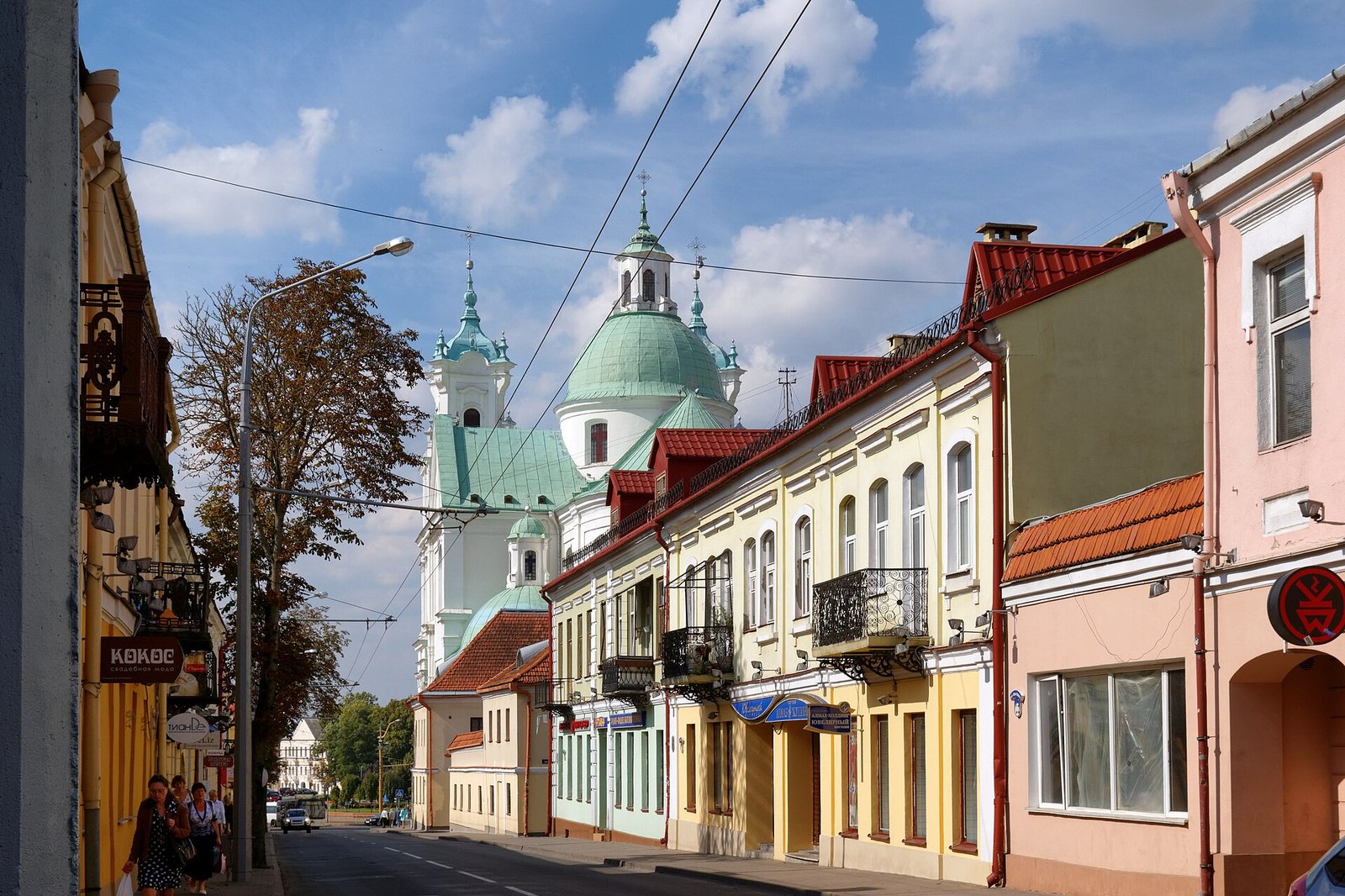
**Sovetskaya Street** is the pedestrian main street, lined with restored buildings, cafés and shops. Every evening a lamplighter in costume lights the old gas lamps, a small tradition that visitors love. The **Rescued Art Values Museum** shows icons and paintings seized from smugglers at the border, and the **Brest Railway Museum** near the fortress has an outdoor collection of steam engines that children can climb around.
Belovezhskaya Pushcha
Around an hour north of Brest, **Belovezhskaya Pushcha National Park** protects part of the last large lowland primeval forest in Europe, shared with Poland, where it is called Bialowieza. Both sides together form a UNESCO World Heritage Site. Oaks hundreds of years old, marshes and meadows shelter European bison, elk, deer, wolves and wild boar.
Visitors can walk or cycle marked trails, visit a nature museum, see bison in large enclosures and visit the wooden **Ded Moroz** (Father Frost) estate, popular with families. Bicycles can be rented at the park centre, and there are hotels and guest houses at Kamenyuki, the main entrance. On the way, stop at **Kamenets** to see the White Tower, a 13th century defensive tower standing alone in the town.
Check the national park's own site for current opening and visitor rules, as access to areas near the Polish border is restricted.
Border notes
Brest is the main rail crossing between Belarus and Poland, but crossings have been closed or limited at times because of political tensions. If you plan to arrive or leave by land, check your government's advice and the latest status close to travel. Never photograph border installations or military sites, which are common in this area.
Getting there and around
Fast trains and regular services link Minsk and Brest in around three to four hours, with sleeper trains on some routes. The centre is easy to walk, and buses and app taxis reach the fortress. For the forest, buses run from Brest to Kamenyuki, or you can arrange an excursion through a local tour agency.
Where to stay
Hotels cluster in the centre near Sovetskaya Street and along Masherova Avenue towards the fortress, with options from simple to comfortable. In the forest, staying overnight lets you be on the trails early, when wildlife is most active.
Questions about Brest
How long should I spend in Brest?
Two days works well: one for the fortress and city centre, and one for Belovezhskaya Pushcha. Three days lets you stay overnight in the forest and add Kamenets.
Can I cross from Brest to Poland?
Brest is the main rail and road crossing to Poland, but Poland has closed or restricted crossings at various times because of tensions. Check your government's advice and current border status before relying on this route.
Will I see bison in Belovezhskaya Pushcha?
You will almost certainly see them in the large enclosures near the park centre. Seeing wild bison in the forest is possible, especially early in the morning or in winter, but never guaranteed.
Is the Brest Fortress worth visiting?
Yes. It is the most important war memorial in Belarus and one of the most striking in Europe. Allow at least half a day for the grounds and museum.
Facts checked . Fees, schedules and entry rules change, so always confirm the latest with the official source.