At a glance
- Best for
- Heritage, architecture and traditional food
- Airport
- Bahrain International Airport (BAH), on the island itself
- Time needed
- Half a day to a full day
- Best season
- November to March
- Getting around
- On foot in the old town, taxis between sights
- Highlight
- The Pearling Path, a UNESCO World Heritage site
Why visit Muharraq
If Manama shows modern Bahrain, Muharraq shows where it came from. For centuries the economy of the island rested on pearls. Merchants grew rich, divers worked under hard conditions, and the town filled with coral stone houses, mosques and markets. When cultured pearls from Japan collapsed the trade in the 1930s, and oil arrived, the old town slowly emptied. Today a long restoration project has brought it back to life, and in 2012 the Pearling Path was listed by UNESCO as a World Heritage site.
The Pearling Path
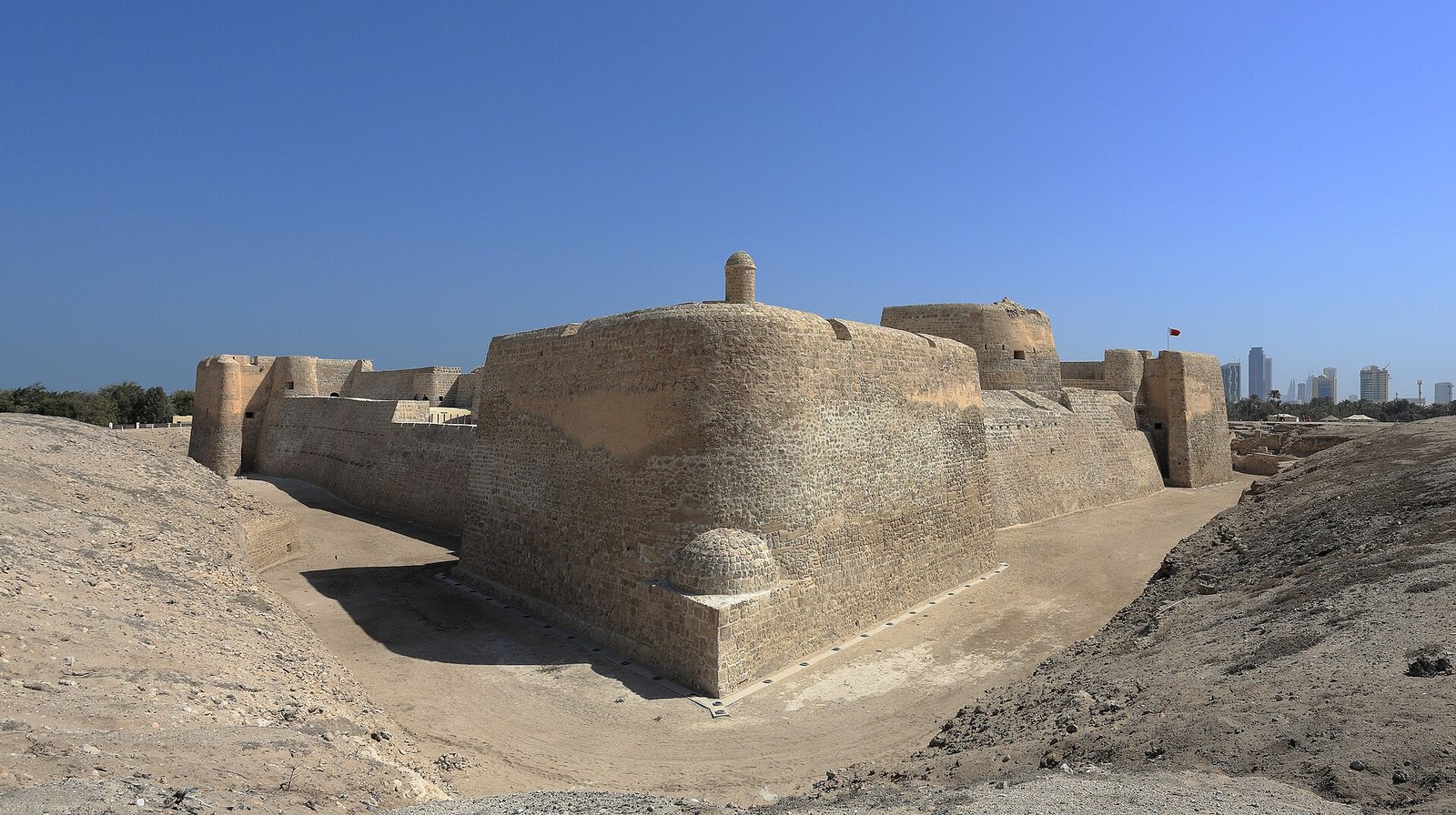
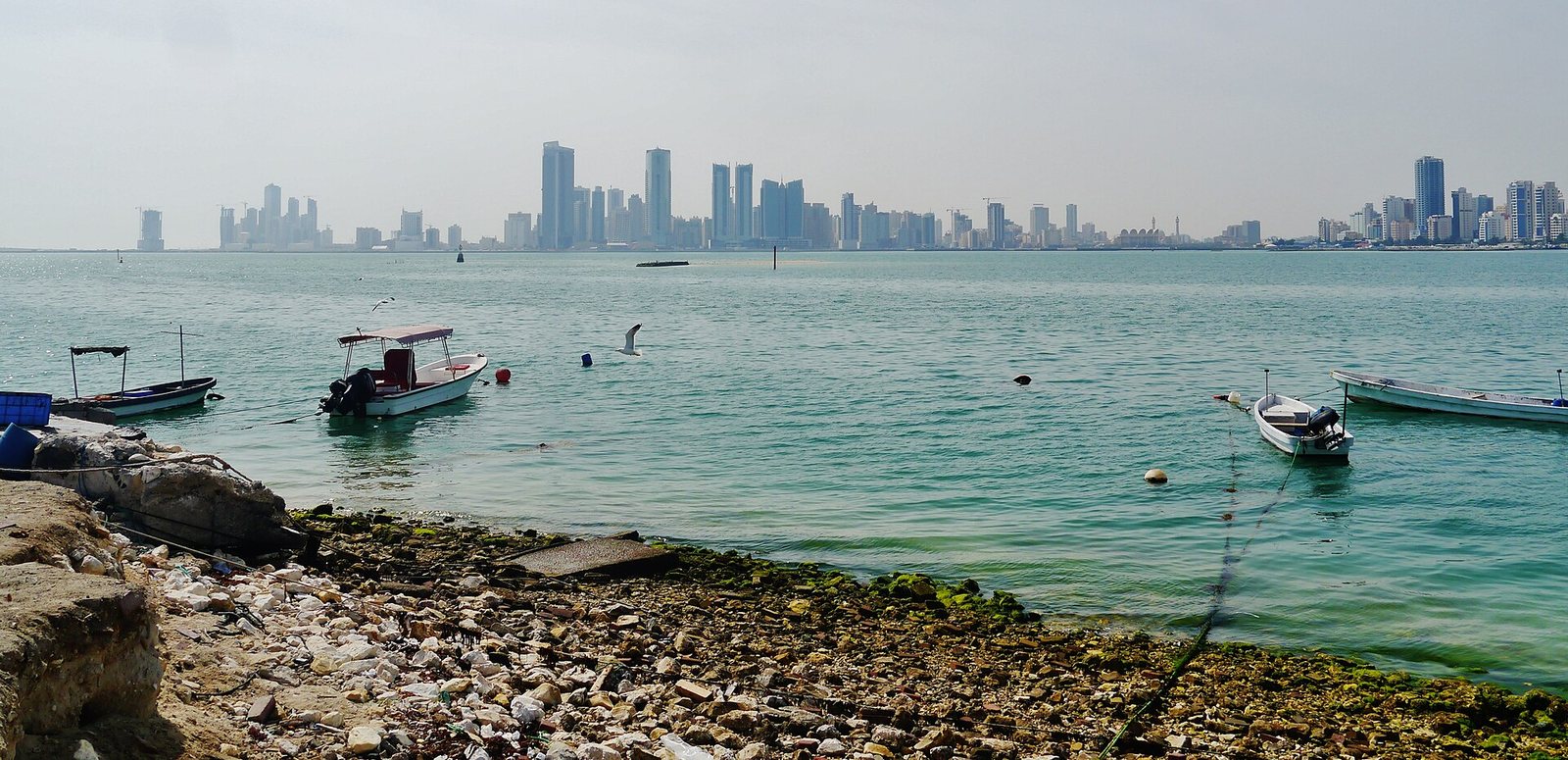
The path runs for a few kilometres from Bu Maher Fort at the southern tip of the island, where pearling boats once set out, through the old town to the oyster beds that remain offshore. Along the way are seventeen historic buildings, including merchants' houses, warehouses and a mosque. New walkways, shaded seating and a striking visitor centre make it easy to follow. Look for the signs and plaques, and allow at least half a day. Late afternoon into evening is the most pleasant time, when the lanes cool and lights come on.
Houses to see
Shaikh Isa bin Ali House, the nineteenth century home of a ruler, is a fine example of traditional architecture, with wind towers called badgir that funnel breezes into rooms below. Siyadi House, built by a wealthy pearl merchant, has beautiful carved doors and coloured glass, and stands next to the family's own mosque. Bin Matar House is now a small gallery, and the Shaikh Ebrahim Center for Culture and Research has restored several homes as a library, music house and exhibition spaces. Kurar House preserves the craft of gold thread embroidery used on traditional dress. Opening hours vary and some houses close on certain days, so check before you plan.
Halwa, bread and breakfast
Muharraq is a food town. Halwa Showaiter, a family business for generations, makes Bahraini halwa in huge pans: you can watch it being stirred, taste it warm and buy a tub to take home. Small bakeries slap khubz onto the walls of clay ovens. Emmawash is known across the island for Bahraini breakfasts. The covered Muharraq Souq is far less polished than Manama's and all the better for it.
Arad Fort and the bay
A short drive east, Arad Fort was built in the fifteenth century and later strengthened by the Portuguese and then the Omanis. It is square, with round corner towers, and is lit at night. Around it, Arad Bay has a walking promenade popular with families in the evening.
Marassi and the new coast
On reclaimed land to the north east, Diyar Al Muharraq has created Marassi Beach, one of the best managed sandy beaches in Bahrain, along with Marassi Galleria mall and several resort hotels. It is a good choice if you want a beach day close to the airport.
Where to stay
Most visitors stay in Manama and come over for the day, as the old town has few hotels. If you prefer the beach, the resorts at Marassi are close by. Amwaj Islands, also on the Muharraq side, has more beach hotels. Compare options on our travel page.
Getting around
The airport sits on Muharraq island, so you will pass through on arrival. Taxis and ride hailing apps connect the old town with Manama in about fifteen to twenty minutes, depending on traffic. Once there, walk. The lanes are narrow and often car free.
Practical tips
Dress modestly in the old town, which is a residential neighbourhood, and ask before photographing people. Many houses close on Mondays or have midday breaks. During the cooler months, look out for evening events along the trail. Use our places to visit list to plan stops and the free trip planner to pair Muharraq with Manama.
Questions about Muharraq
How long does the Pearling Path take?
Allow at least half a day to walk the main section and visit three or four houses. Heritage lovers can easily spend a full day.
Is Muharraq close to the airport?
Yes. Bahrain International Airport is on Muharraq island, so the old town is only a short taxi ride away. It is ideal for a long layover.
What should I eat in Muharraq?
Try warm Bahraini halwa at Halwa Showaiter, a Bahraini breakfast of balaleet and eggs, and fresh khubz from a clay oven bakery.
Are the Muharraq houses free to visit?
Many heritage houses are free or low cost, but policies and opening days change. Check with the Bahrain Authority for Culture and Antiquities before you go.
Facts checked . Fees, schedules and entry rules change, so always confirm the latest with the official source.