At a glance
- Best for
- Ancient history, crafts and village life
- Main base
- Manama, a short drive east
- Time needed
- One full day
- Best season
- November to March
- Getting around
- Taxi, ride hailing or a hired driver for the day
- UNESCO sites
- Qal'at al-Bahrain and the Dilmun Burial Mounds
Why visit the north coast
Around four thousand years ago, Bahrain was the centre of Dilmun, a trading civilisation that linked Mesopotamia with the Indus Valley. Freshwater springs made the island green, and Sumerian texts described it as a kind of paradise. The north coast holds the best evidence of that world, and you can see most of it in a single, rewarding day out from Manama.
Qal'at al-Bahrain
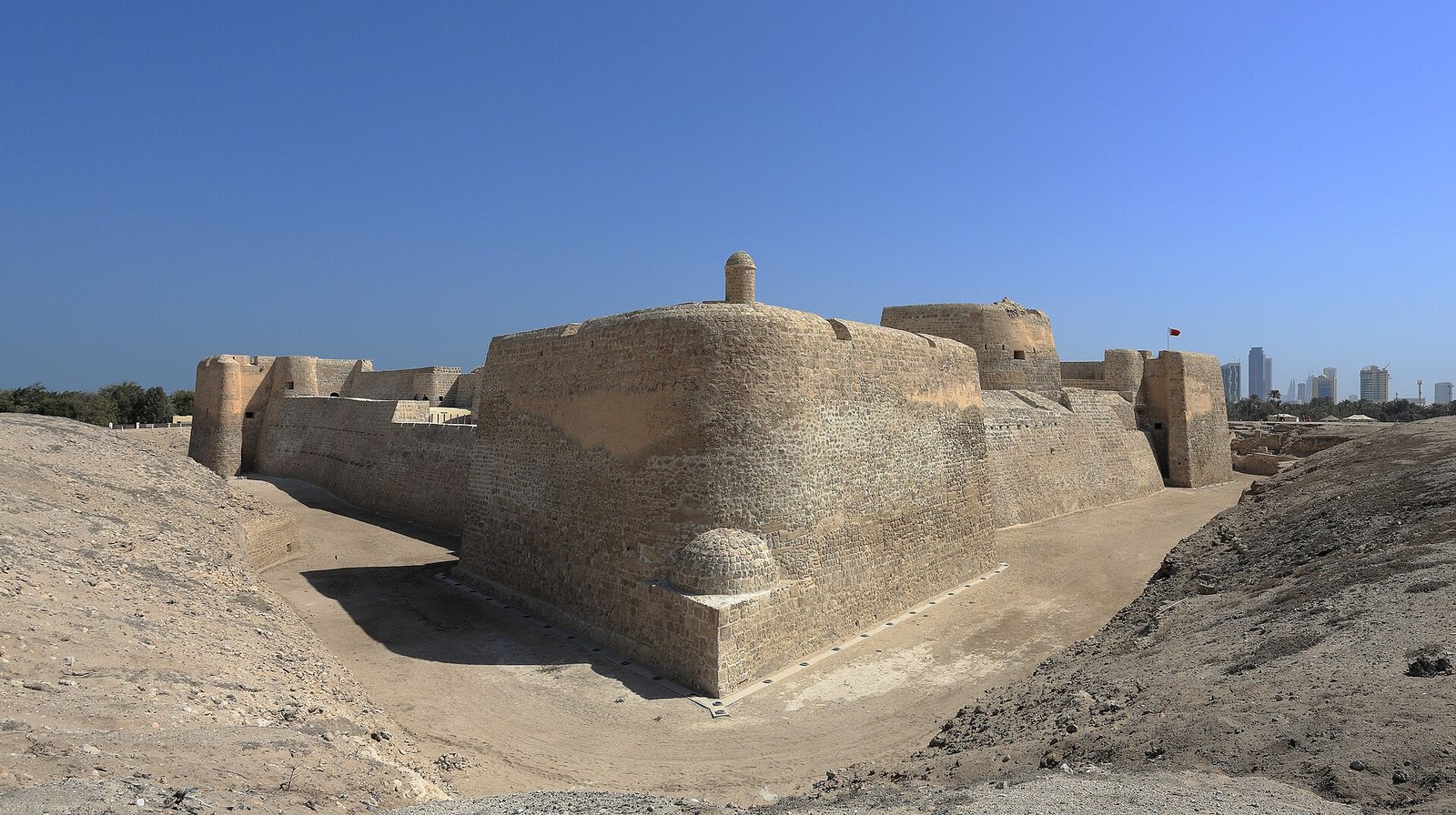
The Bahrain Fort is the island's most important archaeological site and a UNESCO World Heritage site since 2005. The visible fort dates mostly from the Portuguese period in the sixteenth century, but it stands on a tell, an artificial hill made of the layers of earlier towns, going back to around 2300 BC. Walk through the fort, along the walls and down to the shore. The site museum explains the excavations clearly and has a café facing the fort, which is especially lovely at sunset. The fort is often lit at night, and it hosts concerts during the Spring of Culture.
The burial mounds
Bahrain once had tens of thousands of burial mounds, more than any other place in the ancient world. Many were lost to building, but large fields survive, and in 2019 they were added to the UNESCO list. At A'ali you see the royal mounds, some more than ten metres high, rising among houses and roads. Smaller mound fields remain near Saar and elsewhere.
A'ali pottery
In A'ali, potters work in kilns built into the sides of old mounds, throwing water jars, incense burners and plant pots in the same way their families have for generations. Visitors are usually welcome to watch and buy. It is one of the most authentic craft experiences in Bahrain.
Temples and settlements
Barbar Temple preserves the foundations of three temples built one on top of another, dedicated to the god Enki and centred on a freshwater well. The Saar Settlement nearby shows the streets, houses and temple of a Dilmun village. Neither is large, but both are quiet and atmospheric, and there is little shade, so go early or late.
Villages and crafts
The road west through Budaiya passes date farms, gardens and old villages. In Bani Jamra a few families still weave cloth on traditional looms. At Jasra, Al Jasra House is the restored birthplace of a former ruler, and a handicrafts centre nearby sells baskets and textiles. In the cooler months, the Budaiya Farmers Market at the botanical garden is a cheerful weekend outing, with local vegetables, honey, plants and home cooking.
Food
Budaiya Highway is lined with cafés and family restaurants, and the villages have simple places serving grilled fish and machboos. Pack water and snacks for the archaeological sites, which have limited facilities.
Where to stay
Most people stay in Manama, which is close enough for an easy day trip. A few resort hotels on the north coast near Sanabis offer a quieter base. Compare options on our travel page.
Getting around
Public buses reach some villages but are slow for sightseeing. A taxi or ride hailing car from site to site works well, or agree a half day or full day rate with a driver through your hotel. Distances are short, rarely more than twenty minutes between stops.
Practical tips
These are conservative villages: dress modestly and be discreet with photography. Some areas have seen political demonstrations in the past, so follow your government's current travel advice. Start early, carry water and a hat, and leave the fort for the late afternoon light. Pair this day with Manama and plan your route with the free trip planner.
Questions about The north coast
What is Qal'at al-Bahrain?
It is the Bahrain Fort, a UNESCO World Heritage site on the north coast, built on a mound formed by around four thousand years of settlement.
Can I see the burial mounds without a tour?
Yes. The royal mounds at A'ali are in the middle of the town and can be seen from the roads around them. A taxi can take you there easily.
How long do I need for the north coast?
One full day covers the fort, the mounds, Barbar Temple and A'ali potters at a relaxed pace.
Facts checked . Fees, schedules and entry rules change, so always confirm the latest with the official source.