At a glance
- Best for
- Diving, beaches, blue holes and wartime history
- Time needed
- Four to seven nights
- Getting there
- Flights land at Santo Pekoa International Airport near Luganville
- When to visit
- May to October; diving is good year round
- Main town
- Luganville
- Good to know
- The east coast road is sealed to Port Olry, the west is wild and roadless
Luganville
Luganville, Vanuatu's second town, grew up as a huge American base during the Second World War, when tens of thousands of servicemen passed through. Today it is a sleepy, practical place with a long main street of shops and Chinese stores, a busy produce market, and quonset huts still in use. It is the base for divers, and it has a handful of good restaurants, simple hotels and waterfront bungalows.
The SS President Coolidge and Million Dollar Point
The **SS President Coolidge**, a luxury liner turned troopship, struck mines in the channel in 1942 and sank close to shore. It is one of the world's great wreck dives, accessible from the beach, with the famous Lady statue, cannons and cargo still inside. Divers need to be trained for depth, and local operators run courses and guided dives.
Nearby, **Million Dollar Point** is where the US military pushed vast quantities of equipment into the sea at the end of the war rather than sell it. Snorkellers can see trucks, bulldozers and machinery lying in the shallows.
The blue holes
Santo's east coast is dotted with blue holes, springs of filtered freshwater that pool in the rainforest with astonishing clarity. **Matevulu**, **Nanda** and **Riri** are the best known: Riri is often reached by a dugout canoe trip up a river. Each is run by a local community that charges a small entry fee, so carry cash. Go early to have them to yourself.
Champagne Beach and the east coast
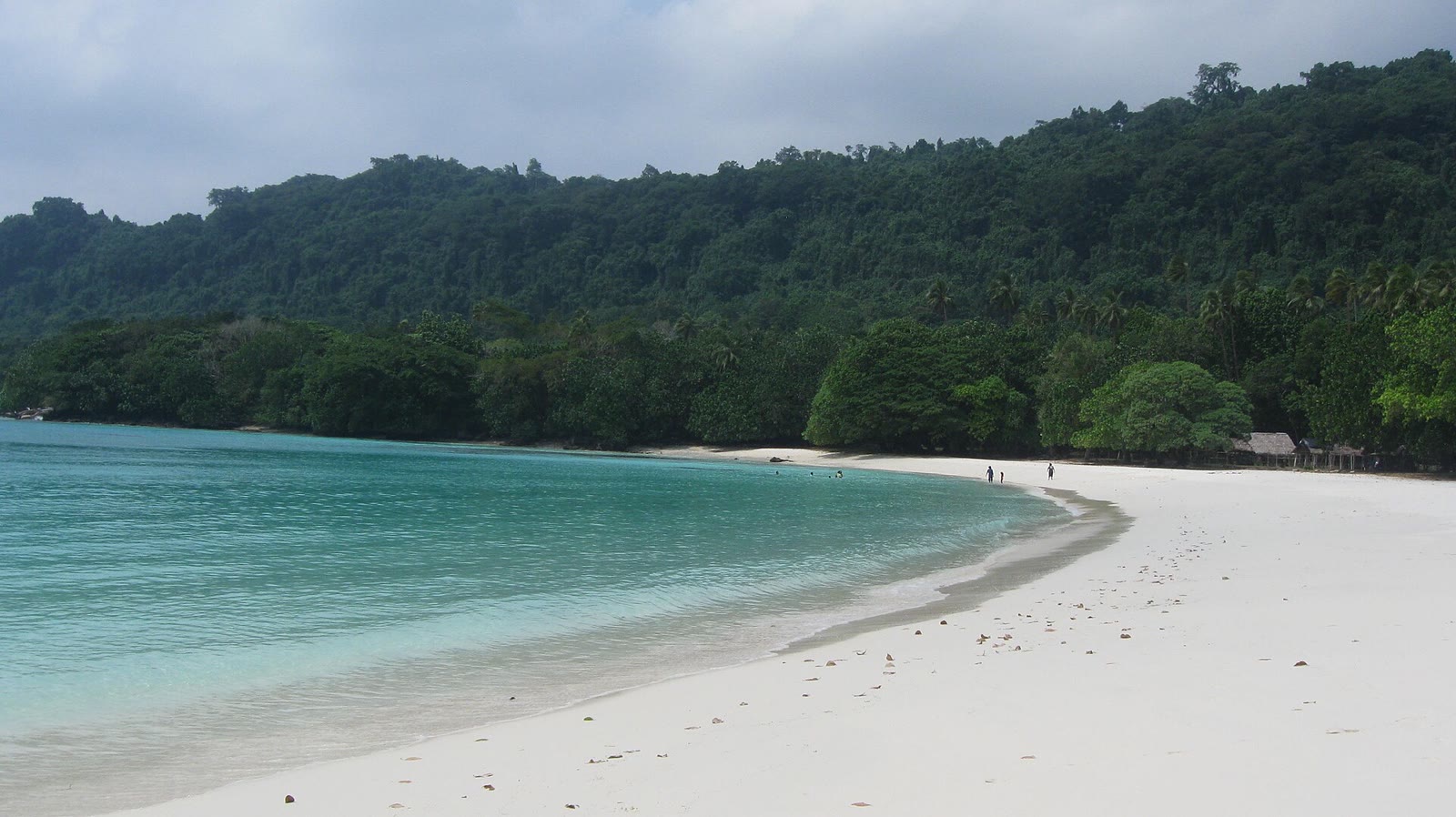
The sealed road north from Luganville leads past plantations and villages to **Champagne Beach**, a curve of powdery white sand and clear water that regularly appears on lists of the world's best beaches. On cruise ship days it gets busy, so check the schedule and go another day if you can. Further north, **Port Olry** is a French-speaking village with a long beach, offshore islands and simple restaurants serving lobster and fish, and **Lonnoc Beach** has bungalows and swimming. Along the way, **Oyster Island** and **Turtle Bay** have small, peaceful lodges.
Into the interior
The adventurous highlight of Santo is the **Millennium Cave** trek from Butmas village, a full day of rainforest walking, wading through a bat-filled cave and floating down a river canyon. It requires reasonable fitness and a local guide, and it closes in heavy rain. Inland, the **Loru Conservation Area** protects forest where you may see coconut crabs and birdlife.
Food
Santo beef is famous across the Pacific: cattle graze under coconut palms, and steak here is excellent. Fresh fish, lobster, island cabbage and laplap round out menus, and Luganville's market has fruit and snacks.
Getting around
Taxis and minibuses work around Luganville, and most visitors arrange a driver for the east coast. Distances are bigger than they look, and the road beyond Port Olry and the whole west coast are rough or roadless.
When to go and what to pack
The drier months from May to October are the most comfortable, with lower humidity and calmer roads, but Santo is green and warm all year and diving visibility is often good in any season. Pack reef shoes for the blue holes, a dry bag for the cave trek, insect repellent, and enough cash for community entry fees, as card machines are rare outside Luganville.
Questions about Espiritu Santo
How do I get to Espiritu Santo?
Domestic flights connect Port Vila and Luganville, and some international flights land at Santo Pekoa. Check current schedules, which change often.
Do I need to dive to enjoy Santo?
No. Snorkellers enjoy Million Dollar Point and coral gardens, and the blue holes, beaches and cave trek need no scuba at all.
Is the Millennium Cave trek hard?
It is a long, wet, muddy day with steep sections and river swimming. Reasonably fit adults manage it with a guide; it is not for small children.
How many days should I spend on Santo?
Four nights covers the highlights. Divers and beach lovers often stay a week or more.
Facts checked . Fees, schedules and entry rules change, so always confirm the latest with the official source.