At a glance
- Best for
- Scenery, hiking, castles, wildlife and road trips
- Airport
- Inverness Airport (INV), or fly to Edinburgh or Glasgow and take the train
- Time needed
- Four to seven days
- Best season
- May to September, with May and September often drier and quieter
- Getting around
- Trains, Citylink coaches, small group tours and ferries
- Good base for
- Loch Ness, Skye, Glencoe and the Cairngorms
Why go
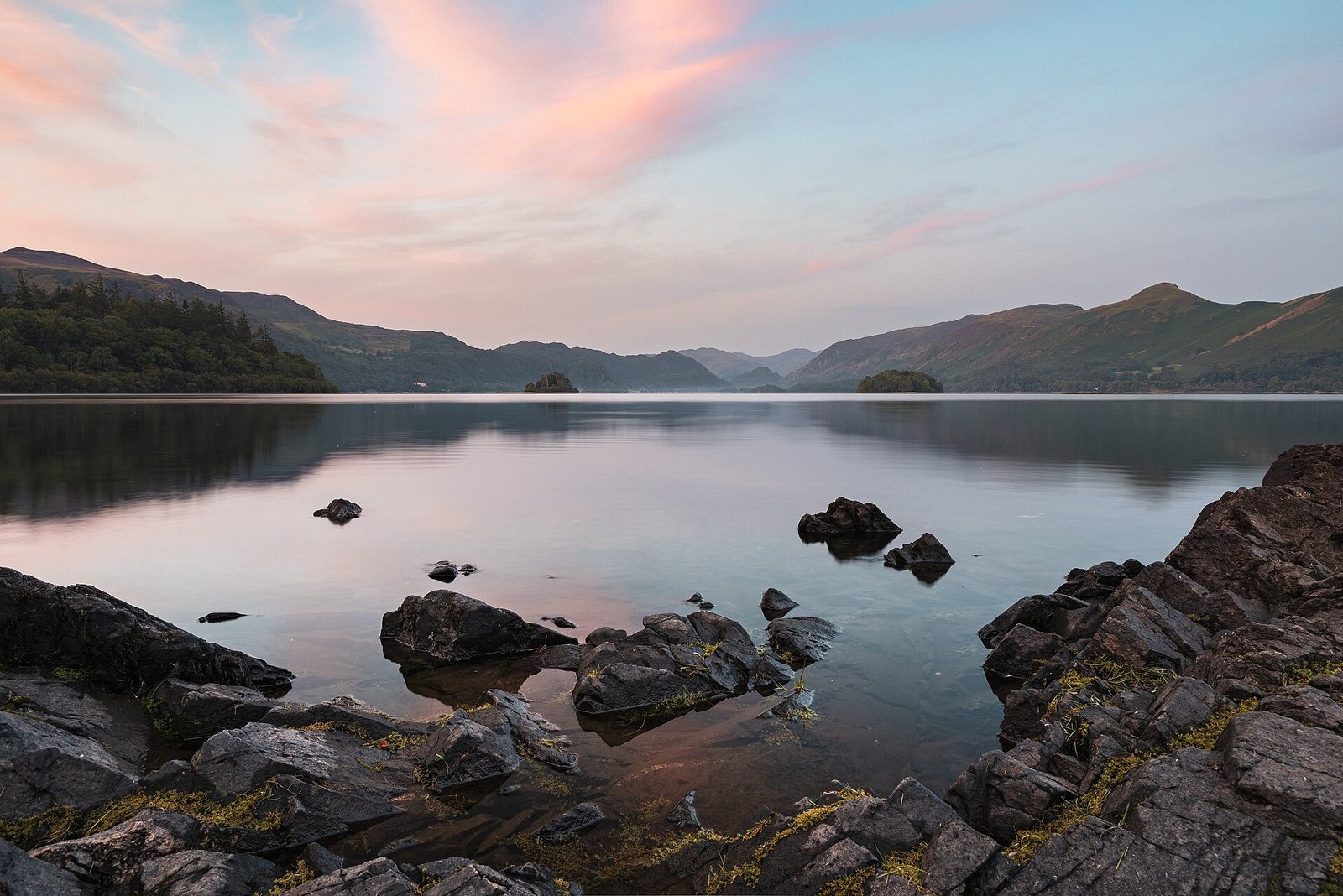
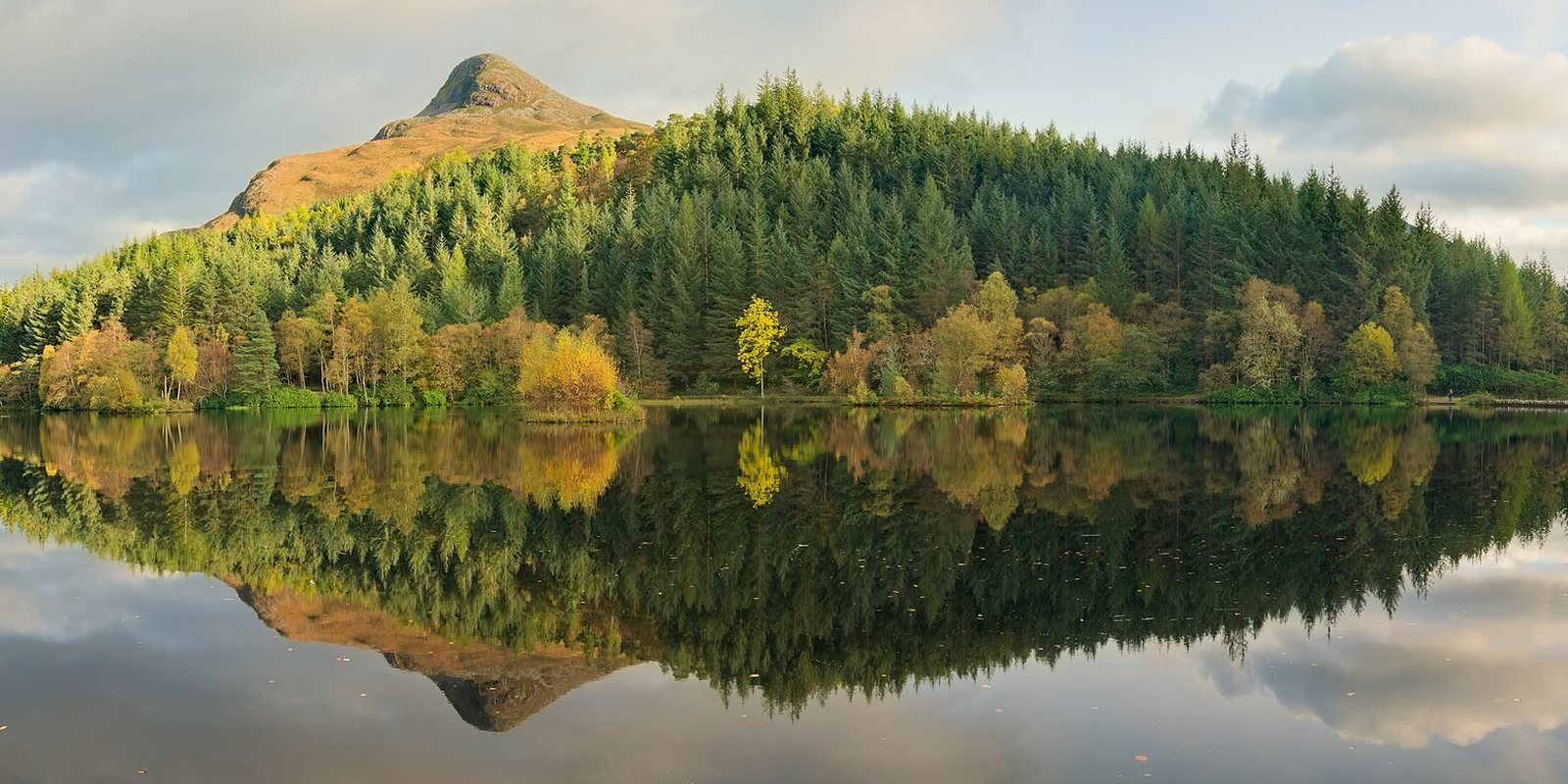
The Highlands are where the UK feels largest. Roads wind past lochs that reflect the hills, stags stand on the moor at dusk, ruined castles guard headlands and the light changes every few minutes. It is a place for walking, slow drives on tour buses and long evenings in cosy inns, and for many diaspora visitors with Scottish surnames, a place of deep family meaning.
Inverness and Loch Ness
**Inverness** is a small, walkable city on the River Ness, with a riverside path to the **Ness Islands**, a cathedral and good pubs with traditional music. A few miles south, **Loch Ness** stretches for over twenty miles. **Urquhart Castle** on its shore is the classic stop, and boat trips run from Dochgarroch and Drumnadrochit. East of the city, **Culloden Battlefield** tells the story of the last pitched battle on British soil in 1746, and the nearby **Clava Cairns** are Bronze Age burial cairns that fans of Outlander love.
Glencoe and Fort William
**Glencoe** is the most dramatic glen in Scotland, with steep peaks, waterfalls and the sad history of the 1692 massacre. The National Trust for Scotland visitor centre has good short walks. **Fort William** sits beneath **Ben Nevis**, the highest mountain in the UK, and is the start of the **West Highland Line** to Mallaig, which crosses the **Glenfinnan Viaduct** made famous by the Harry Potter films. The steam train on this route in summer sells out early.
The Isle of Skye
**Skye** is reached by the bridge at Kyle of Lochalsh or the ferry from Mallaig. Its highlights are the **Old Man of Storr**, the **Quiraing**, the **Fairy Pools** and the colourful harbour town of **Portree**. Skye is busy in summer and rooms are limited, so book well ahead, and be ready for crowds at the famous viewpoints.
The Cairngorms
The **Cairngorms National Park** is the UK's largest national park, with forests, reindeer, ospreys and mountain plateaus. **Aviemore** is the base, on the main railway line from Edinburgh and Glasgow to Inverness.
Getting around
Trains link Inverness with Edinburgh, Glasgow and Kyle of Lochalsh, and Fort William with Glasgow and Mallaig. Citylink coaches cover main routes, but rural buses can be infrequent, so check timetables carefully. Small group tours from Inverness and Edinburgh are the easiest way to see Skye and Glencoe without driving.
Weather and midges
The weather changes fast. Pack waterproofs and layers even in summer. From June to September, tiny biting midges swarm on still, damp evenings in the west; repellent and a head net help a great deal.
Staying safe
Mountain weather can turn quickly, so tell someone your route, carry a map and check the Mountain Weather Information Service before hill walks. Use the free trip planner to pace your Highland days.
Food, whisky and evenings
Highland food is hearty and local: venison, salmon, Cullen skink, langoustines and seafood on the west coast, and porridge and oatcakes at breakfast. Whisky distilleries are scattered across the region, from **Tomatin** near Inverness to **Talisker** on Skye and the Speyside distilleries around Dufftown, and most run tours. Evenings are for village inns, where a ceilidh or a session of fiddle music might start up in summer.
Where to stay
**Inverness** has the widest choice and the best transport links. **Fort William** and **Glencoe village** suit walkers, **Portree** and **Broadford** are the main Skye bases, and **Aviemore** is best for the Cairngorms. Rooms are limited across the region in summer, so book early. Find more ideas on our places to visit page.
Questions about Scottish Highlands
How many days do I need in the Highlands?
Four days covers Inverness, Loch Ness and Glencoe or Skye. A week lets you add the Cairngorms and the West Highland Line at a calm pace.
Can I visit the Highlands without driving?
Yes. Trains, coaches and small group tours reach the main sights, but rural buses are infrequent, so plan ahead.
What are midges?
Tiny biting insects common in the west Highlands from June to September, especially on calm, damp evenings. Repellent and covering up help.
Is Loch Ness worth visiting?
Yes for the scenery, Urquhart Castle and a boat trip, even if Nessie stays hidden. Combine it with Culloden for a good day.
Facts checked . Fees, schedules and entry rules change, so always confirm the latest with the official source.