At a glance
- Best for
- Diving, kayaking, carving villages and quiet island lodges
- Time needed
- Four to seven nights
- Getting there
- Domestic flight from Honiara to Seghe, then a lodge boat
- When to visit
- May to October for drier, calmer conditions
- Language
- Solomons Pijin, English and Marovo
- Good to know
- Lodges usually include meals; bring cash for carvings
Getting there
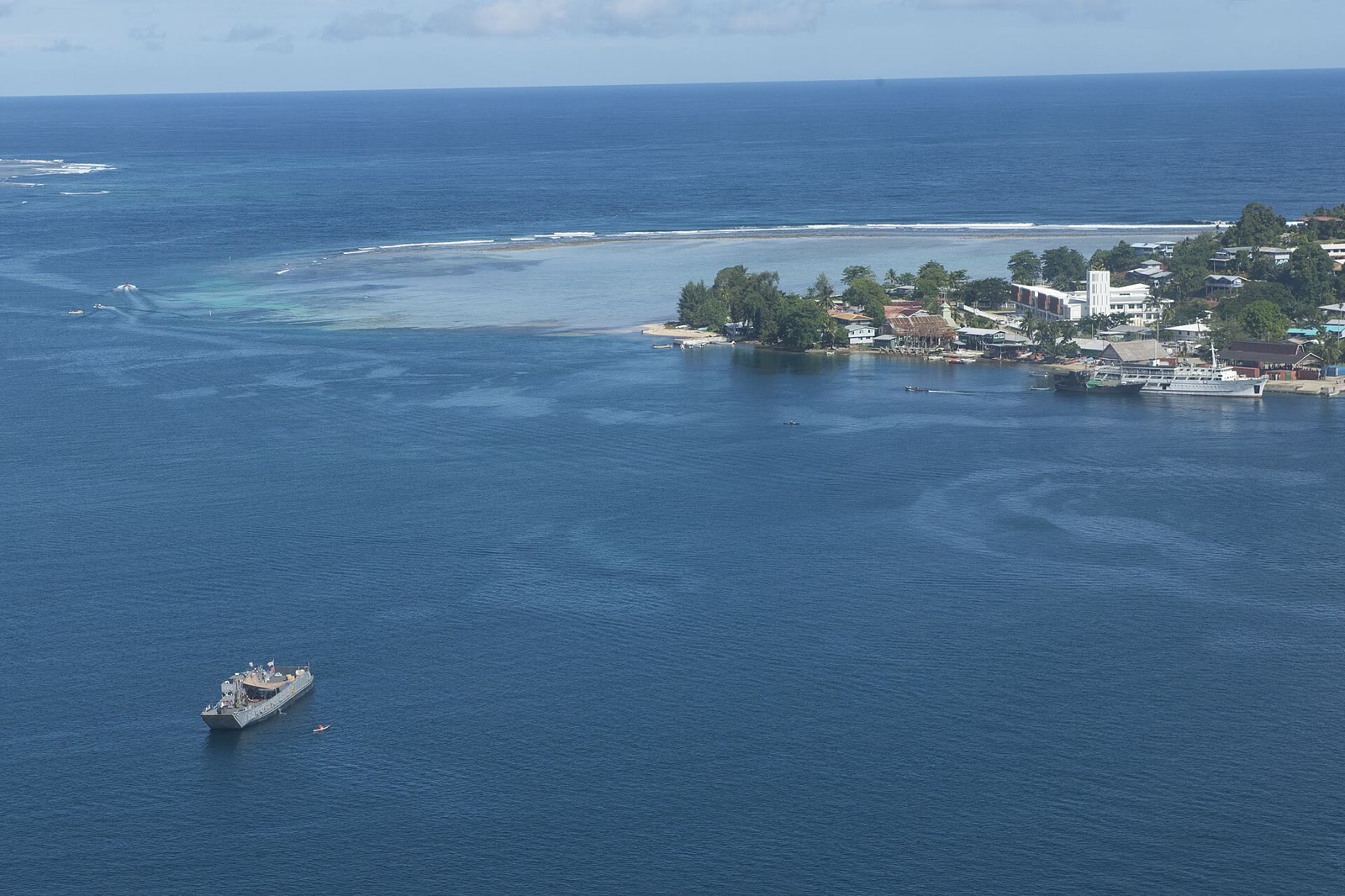
Most visitors fly from Honiara to **Seghe**, a wartime airstrip at the northern end of the lagoon, and are met by a boat from their lodge. Some lodges are near Seghe, others more than an hour across the lagoon. A few travellers come by cargo ship or passenger boat from Honiara, which is slow but scenic.
Where to stay
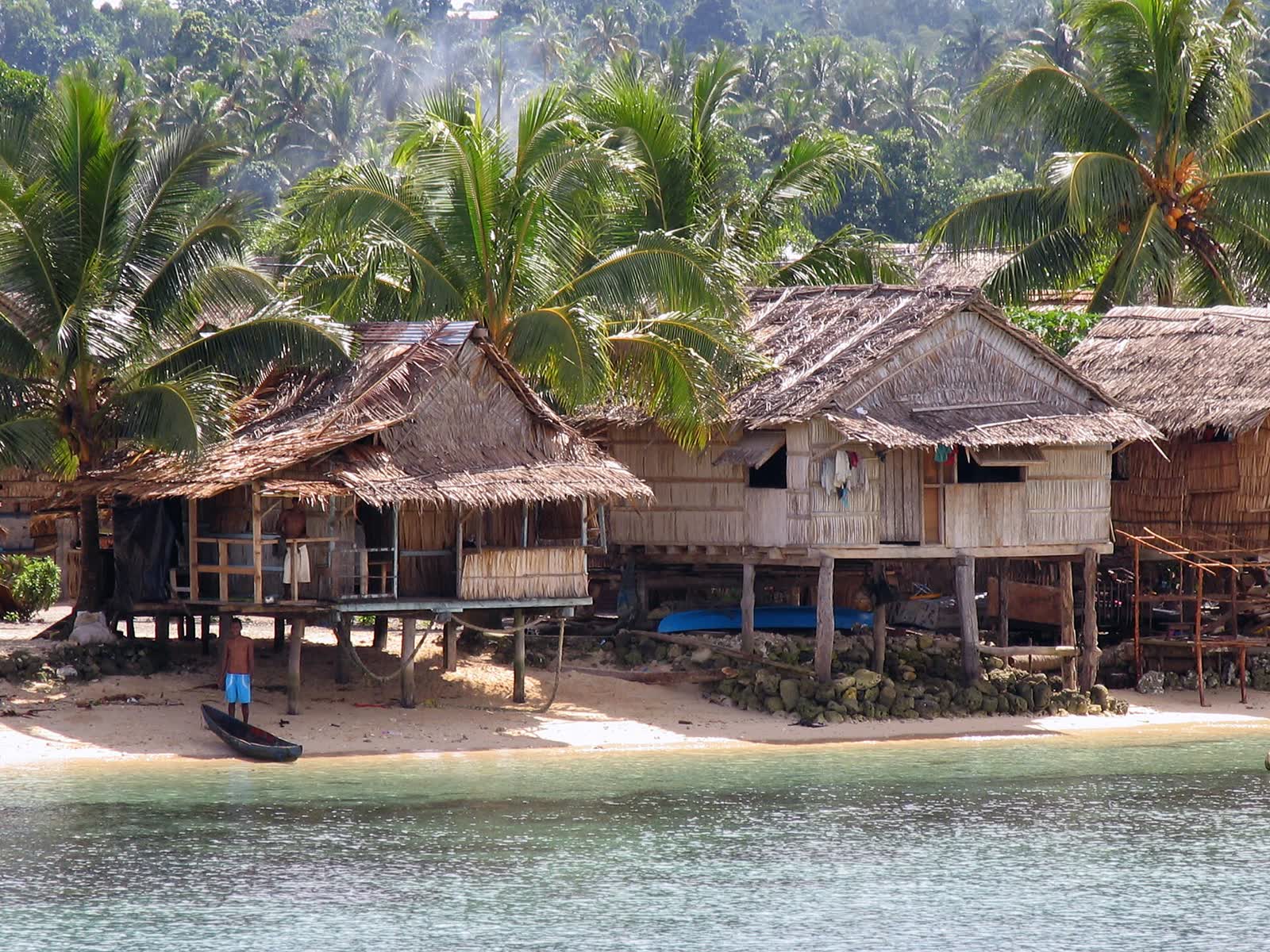
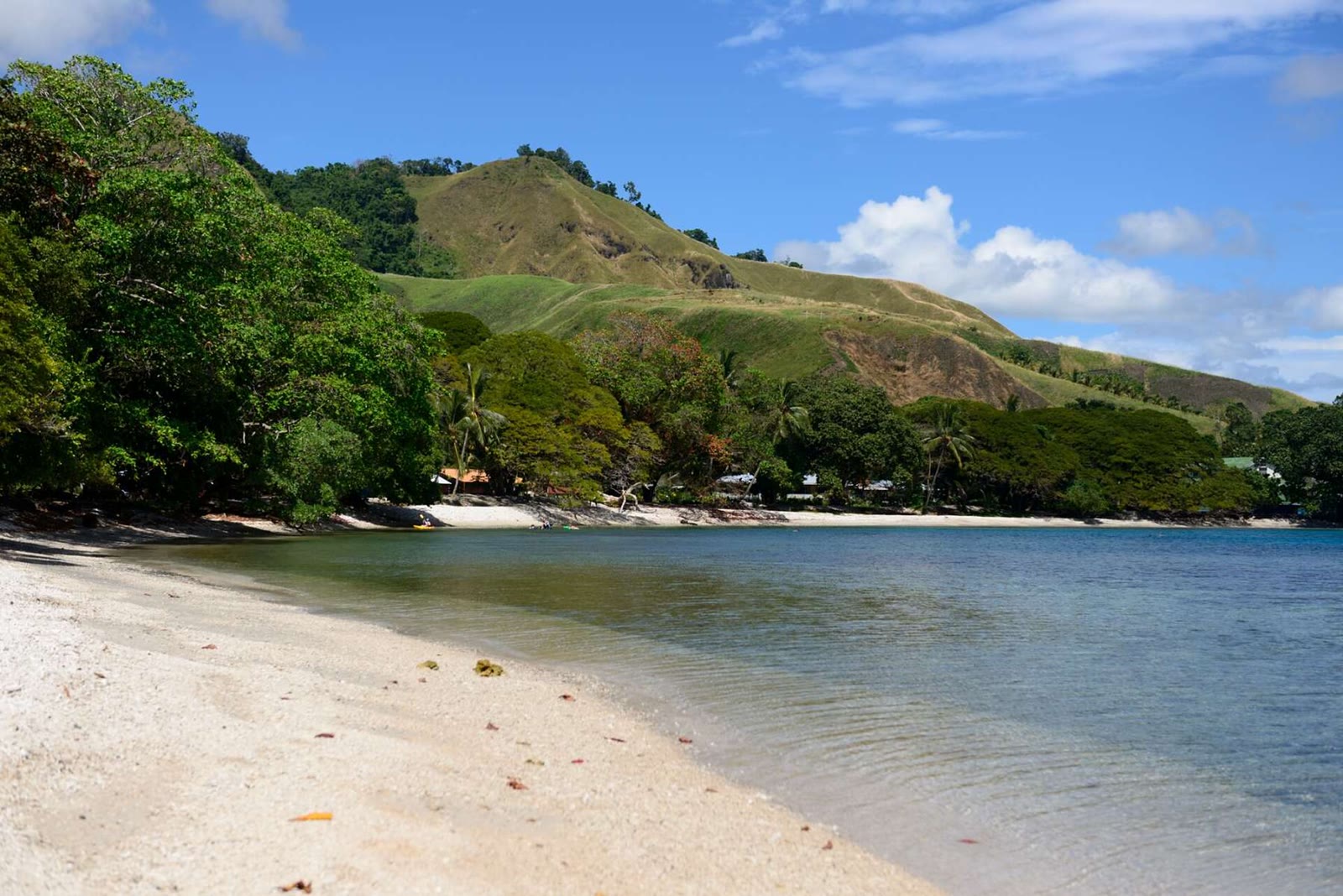
**Uepi Island Resort**, on the outer barrier near the Marovo passage, is the best known lodge, with wooden bungalows, an in-house dive centre and dramatic drop-offs just off the jetty. **Matikuri Lodge** near Seghe is a simple, village-owned eco lodge with leaf houses and lagoon views. In the south, **Wilderness Lodge** on Gatokae offers rustic bungalows near great diving and the volcano of Mount Mariu. Most lodges include meals, so dinner is a shared table of fresh fish, root crops and greens.
Diving and snorkelling
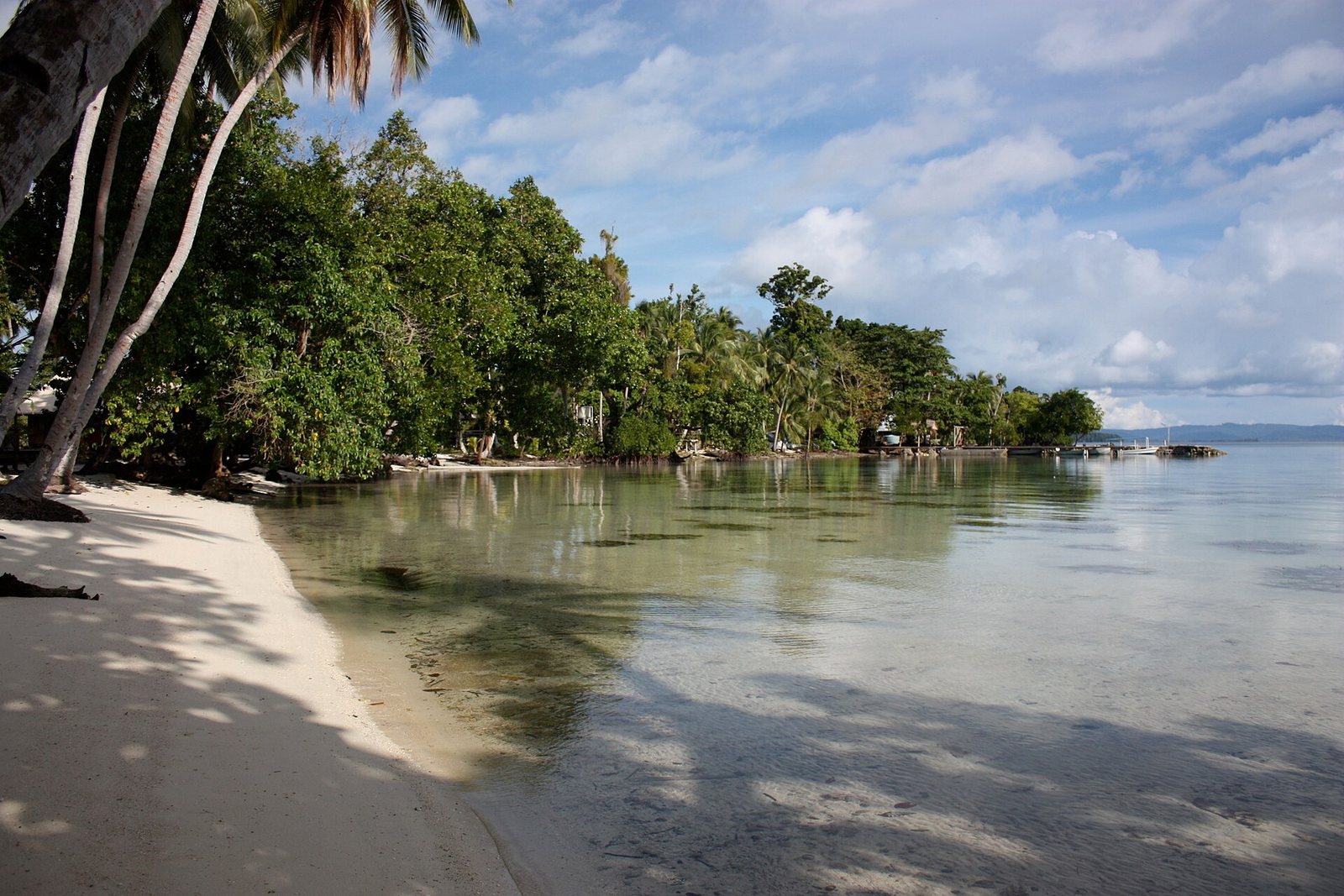
Marovo's passages funnel nutrients between the lagoon and the open sea, attracting reef sharks, eagle rays, barracuda, schools of jacks and big fan corals. The drop-off at Uepi Point is famous, and the inner lagoon has gentle coral gardens and mangroves for snorkelling. Lodges run dives and can arrange courses.
Village carvers
The lagoon is the home of the Solomons' finest carving tradition. Villages such as **Chea**, **Mbatuna** and **Telina** produce **nguzu nguzu** canoe figureheads, bowls inlaid with nautilus shell, and animals carved from ebony and kerosene wood. Carvers often paddle up to lodges to sell their work, and you can also visit villages to watch them at work. Buying direct supports families directly.
Kayaking and village visits
Sea kayaking through Marovo's calm channels, past mangroves and islands with friendly villages, is one of the best ways to see it. Lodges can arrange village walks, church services with powerful singing, gardens, and visits to schools. Always go with a local guide, as every island and reef is owned by someone.
Nature on land
Vangunu and Gatokae have rainforest, rivers and endemic birds. The forests here are under pressure from logging, so community conservation projects are important, and your stay helps show the value of keeping them standing. Ask your lodge about walks to waterfalls and viewpoints.
Practical tips
There are no banks or ATMs in the lagoon. Bring all the cash you need from Honiara, plus extra for carvings and boat trips. Pack insect repellent, a headlamp, reef shoes and a dry bag. Electricity is often solar or generator based, and phone signal is patchy. Plan a buffer day in Honiara before your international flight in case your Seghe flight changes. See our places to visit list and the free trip planner to plan your stay.
A sample few days
On your first day, recover from the journey with a swim and snorkel off the lodge jetty. On the second, join a morning dive or snorkel trip to a passage, then paddle a kayak through the inner lagoon in the calm late afternoon. On the third, visit a carving village and buy direct from the families. Spend the fourth on a rainforest walk or a village church service if it is a Sunday. Leave a lazy day at the end, because Marovo is best enjoyed slowly. Remember that sea conditions decide boat timings here, and your lodge will advise when it is safe to cross open water to Seghe or to other lodges.
Questions about Marovo Lagoon
Is Marovo Lagoon really the largest lagoon?
It is widely described as the largest saltwater lagoon in the world, enclosed by a double barrier reef. Whatever the exact ranking, it is vast and beautiful.
How do I get to Marovo Lagoon?
Fly from Honiara to Seghe and take your lodge's boat. Book flights and transfers together and reconfirm before you travel.
Can I buy carvings to take home?
Yes. Buy direct from carvers, and check your home country's biosecurity rules for wood and shell items before you fly.
Is Marovo good for non-divers?
Yes. Snorkelling, kayaking, village visits and simply relaxing on the lodge jetty make it rewarding for everyone.
Facts checked . Fees, schedules and entry rules change, so always confirm the latest with the official source.