At a glance
- Best for
- History, architecture, museums, food and harbour views
- Airport
- Malta International Airport (MLA), about twenty minutes by road
- Time needed
- One to two full days, more as a base
- Best season
- March to June and September to November
- Getting around
- Walking, with buses from the City Gate terminus
- Good base for
- The Three Cities, Sliema, Marsaxlokk and the south
Why go
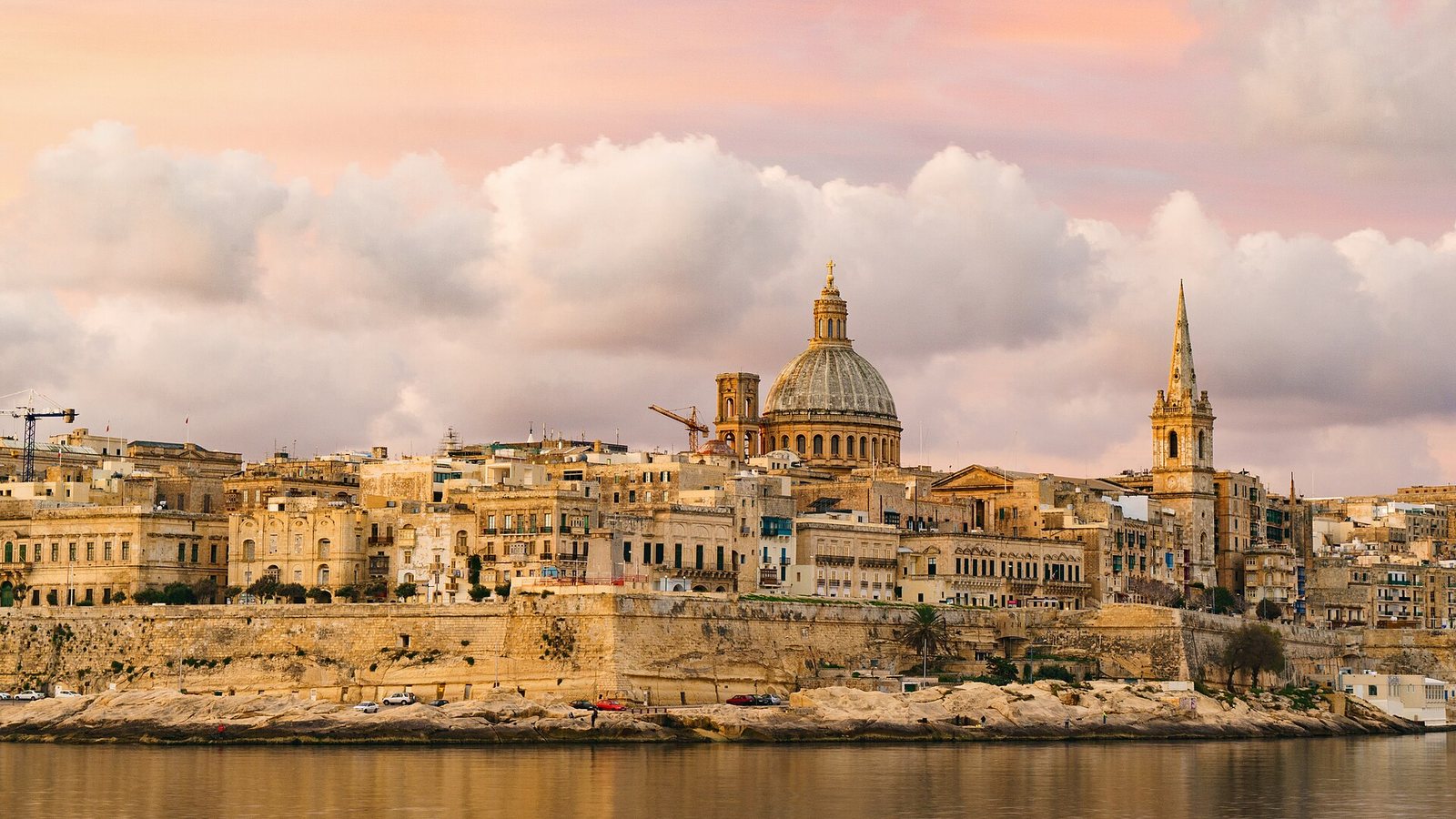
Valletta packs centuries of history into a peninsula you can cross on foot in a quarter of an hour. The Knights built it as a fortress after defeating the Ottoman Great Siege of 1565, and filled it with churches, auberges and palaces. Today it is a living city with restaurants, wine bars and small shops in old townhouses, and it is the natural first stop on any trip.
Top things to do
Start at **St John's Co-Cathedral**, plain outside and dazzling within: gilded carved stone, a floor of marble tombstones and, in the oratory, Caravaggio's **The Beheading of Saint John the Baptist**. Walk up Republic Street to the **Grandmaster's Palace**, with its state rooms and armoury, and on to **Fort St Elmo**, home of the **National War Museum**, at the tip of the peninsula.
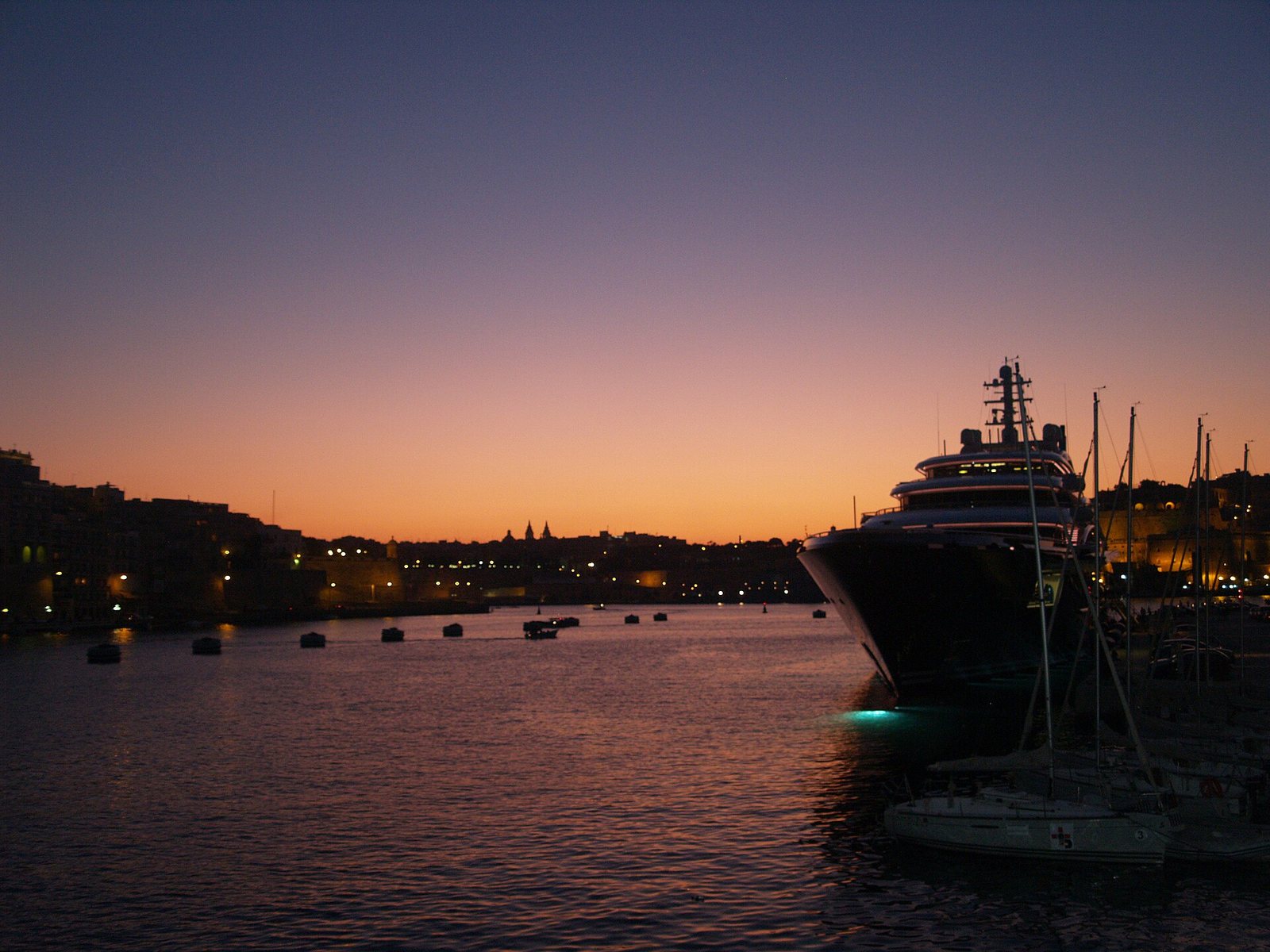
The **Upper Barrakka Gardens** have the finest view of the Grand Harbour and the Three Cities. Every day at noon and four in the afternoon the **Saluting Battery** below fires a cannon salute. Take the lift down to the waterfront, or the ferry across to Birgu. The **Lower Barrakka Gardens** are quieter, with a view of the breakwater and the **Siege Bell Memorial**.
For more history, visit **Casa Rocca Piccola**, a noble family house still lived in, with air raid shelters below; the **Lascaris War Rooms**, the underground headquarters used in the Second World War; and **MUŻA**, the national community art museum. The **National Museum of Archaeology** displays finds from the temples, including the Sleeping Lady. In the evening, check what is on at the **Manoel Theatre**, one of Europe's oldest working theatres.
Don't miss the city's details: the **Renzo Piano City Gate** and open air theatre on the ruins of the old opera house, the bright painted balconies, and the stepped streets falling to the sea, where locals swim off the rocks near Fort St Elmo in summer.
Food and drink
Valletta has some of Malta's best restaurants and many small wine bars on **Strait Street**, once the sailors' red light street and now a relaxed place for dinner. Try **ftira**, the Maltese sourdough sandwich, **pastizzi** from a hole in the wall shop, rabbit stew and fresh fish. Book dinner at popular places at weekends.
Where to stay
Staying inside the walls means boutique hotels and guesthouses in restored palazzos, with quiet nights once day visitors leave. Many buildings have stairs and no lift, so check if that matters to you. **Floriana**, just outside City Gate, is handy for buses. Valletta also suits a split stay with Gozo.
Getting there and around
From the airport, the express bus and regular buses run to the **Valletta bus terminus** at City Gate; taxis and ride hailing apps are also available. Inside the city you walk everywhere. Ferries connect Valletta to **Sliema** from Marsamxett Harbour and to **Birgu and Cospicua** from the Grand Harbour, and a seasonal fast ferry links Valletta with Gozo.
Practical tips
Valletta is hilly with many steps, so wear good shoes. Summer middays are very hot; see the main sights in the morning and save the waterfront for evening. Many museums are run by Heritage Malta, which offers a multi site pass; check opening days and prices on its website. Dress modestly in churches, covering shoulders and knees.
Questions about Valletta
How many days do I need in Valletta?
One full day covers the Co-Cathedral, the Grandmaster's Palace, the Barrakka Gardens and Fort St Elmo. Two days lets you add the Lascaris War Rooms, Casa Rocca Piccola and an evening on Strait Street.
Is Valletta a good base for a first trip?
Yes, if you like historic surroundings and quiet evenings. It is the hub of the bus network and has ferries to Sliema and the Three Cities, though beaches need a bus or boat.
When does the Saluting Battery fire?
The cannon salute is usually fired at noon and at four in the afternoon from below the Upper Barrakka Gardens. Check current times before you go.
Can I see the Caravaggio in St John's Co-Cathedral?
Yes. The Beheading of Saint John the Baptist hangs in the oratory and is included in the cathedral visit. The cathedral closes on Sundays and religious holidays for visitors, so check opening times.
Facts checked . Fees, schedules and entry rules change, so always confirm the latest with the official source.