At a glance
- Best for
- Temples, gardens, traditional culture and food
- Airports
- Kansai (KIX) and Osaka Itami (ITM)
- Time needed
- Three to four days
- Best season
- Late March to early April and November
- Language
- Japanese, with English signs at major sights
- Getting around
- Buses, subway, trains, walking and bicycles
Why visit Kyoto
Kyoto escaped bombing in the Second World War, so its wooden townhouses, temples and gardens survive as nowhere else in Japan. Seventeen sites make up its UNESCO World Heritage listing. It is also the home of kaiseki cuisine, the tea ceremony and the geiko and maiko of the hanamachi districts. Few places feel so continuously lived in by tradition.
Areas to know
- **Higashiyama:** the eastern hills with Kiyomizu-dera, the old Sannenzaka and Ninenzaka slopes, Yasaka Shrine and the Philosopher's Path.
- **Gion and Pontocho:** teahouse lanes and riverside dining. Respect the rules here: some private lanes ban photography and fines apply.
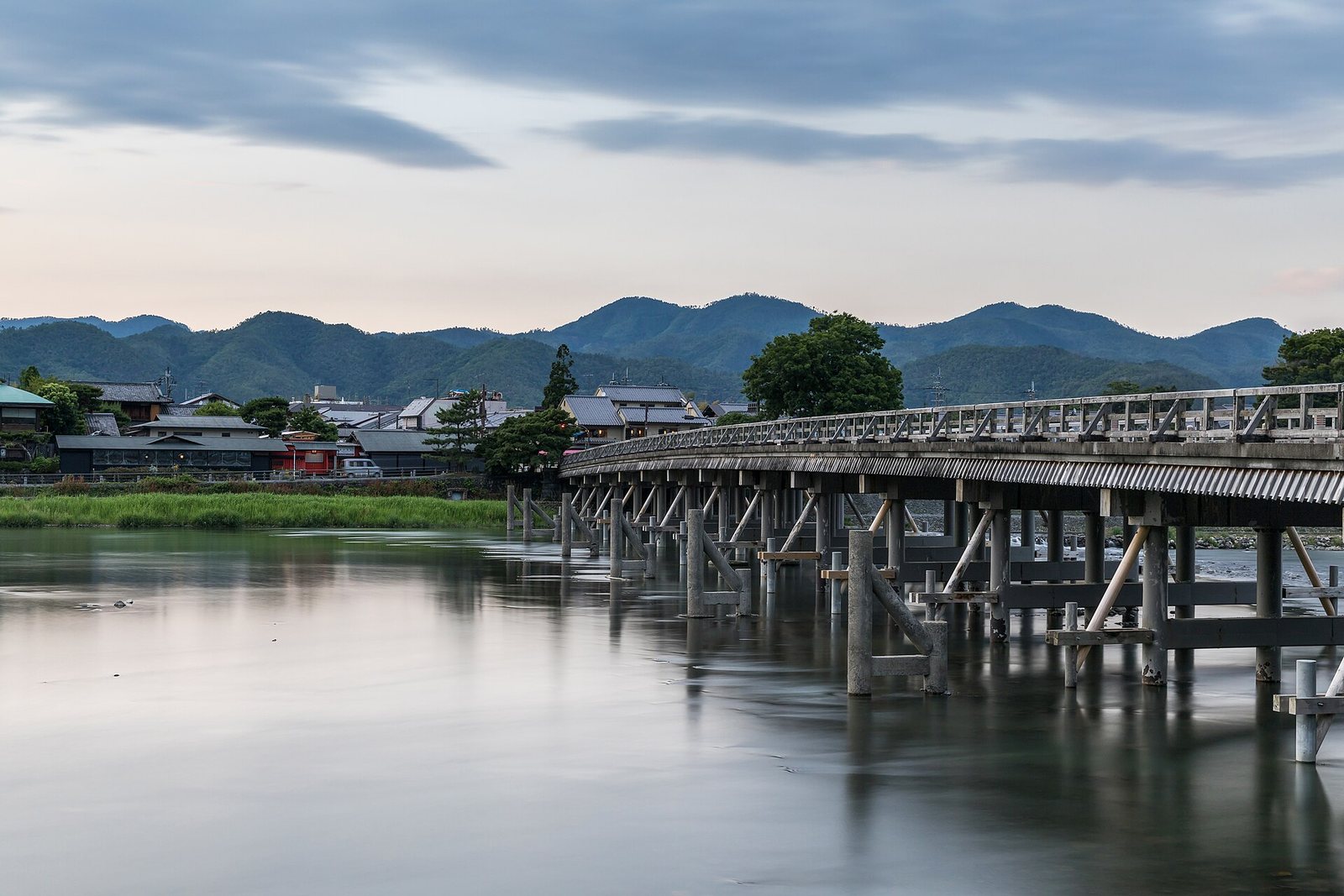
- **Arashiyama:** the bamboo grove, Tenryu-ji, monkey park and the river, best at dawn.
- **Northern Kyoto:** Kinkaku-ji, Ryoan-ji's rock garden and the forest villages of Kurama and Kibune.
- **Downtown and Kyoto Station:** Nishiki Market, shopping arcades and the easiest transport links.
What to see and do
Climb Fushimi Inari at sunrise and keep going past the first crowded gates; the upper mountain is quiet. Visit Kinkaku-ji when it opens, then Ryoan-ji nearby. Walk from Kiyomizu-dera down through Higashiyama to Gion at dusk. Give Arashiyama an early morning, and Tofuku-ji or Sanjusangen-do a few hours. Try a tea ceremony, a kimono rental or a cooking class. Nara, with its giant Buddha and free roaming deer, is under an hour away.
Food
Kyoto cooking is delicate and seasonal: yudofu tofu hot pot, obanzai home-style dishes, matcha sweets, yuba and multi-course kaiseki. Nishiki Market is the place to graze. For dinner, Pontocho and Kiyamachi have everything from izakaya to formal restaurants; book popular ones ahead.
A sample three days
Day one: Fushimi Inari at dawn, then Tofuku-ji, Sanjusangen-do and an evening walk through Higashiyama, Kiyomizu-dera and Gion. Day two: Arashiyama's bamboo grove early, Tenryu-ji, the river and Otagi Nenbutsu-ji, then Nishiki Market and Pontocho for dinner. Day three: Kinkaku-ji and Ryoan-ji in the morning, then the Philosopher's Path, Ginkaku-ji and Nanzen-ji, or a day trip to Nara.
Seasons in Kyoto
Spring and autumn are spectacular but crowded. Summer is hot and humid, but brings the Gion Matsuri in July and riverside dining platforms called kawadoko. Winter is cold and quiet, and a light snowfall on Kinkaku-ji is a rare and beautiful sight.
Getting around
Buses reach most sights but are slow and crowded. Combine the subway, JR and Keihan lines with walking, and consider a bicycle, as the city is flat. Kyoto's buses use IC cards too.
Where to stay
Downtown near Shijo or Kawaramachi is central and lively. Kyoto Station is best for day trips. A night in a ryokan or traditional machiya townhouse is one of the great Japanese experiences.
Practical tips
Kyoto has struggled with overtourism, so be a considerate guest: do not touch or chase maiko, keep to paths, eat standing still rather than walking, and avoid blocking narrow lanes. Visit in the shoulder months of June or early December for thinner crowds. Kyoto's accommodation tax is charged per night by hotels. Shape your days with the free trip planner.
Questions about Kyoto
How many days do I need in Kyoto?
Three days covers the highlights, and four lets you add Nara and a slower morning or two.
Is it better to stay in Kyoto or Osaka?
Stay in Kyoto for atmosphere and early starts at temples. Osaka is cheaper and livelier at night, and only fifteen minutes away by Shinkansen.
When is the best time to visit Kyoto?
Cherry blossom in early April and autumn leaves in mid to late November are spectacular but crowded. Late October and early December are quieter and still lovely.
Can I take photos in Gion?
On public streets, yes, but some private lanes ban photography and fines apply. Never photograph maiko or geiko without permission or block their path.
Facts checked . Fees, schedules and entry rules change, so always confirm the latest with the official source.