At a glance
- Best for
- Forest walks, primates, birds and tea estates
- Distance from Bujumbura
- Around two hours to Teza
- Time needed
- A full day or one night
- Best season
- June to August, the driest months
- Managed by
- OBPE, the Burundi environment office
- Altitude
- High and cool, bring a warm layer
About Kibira
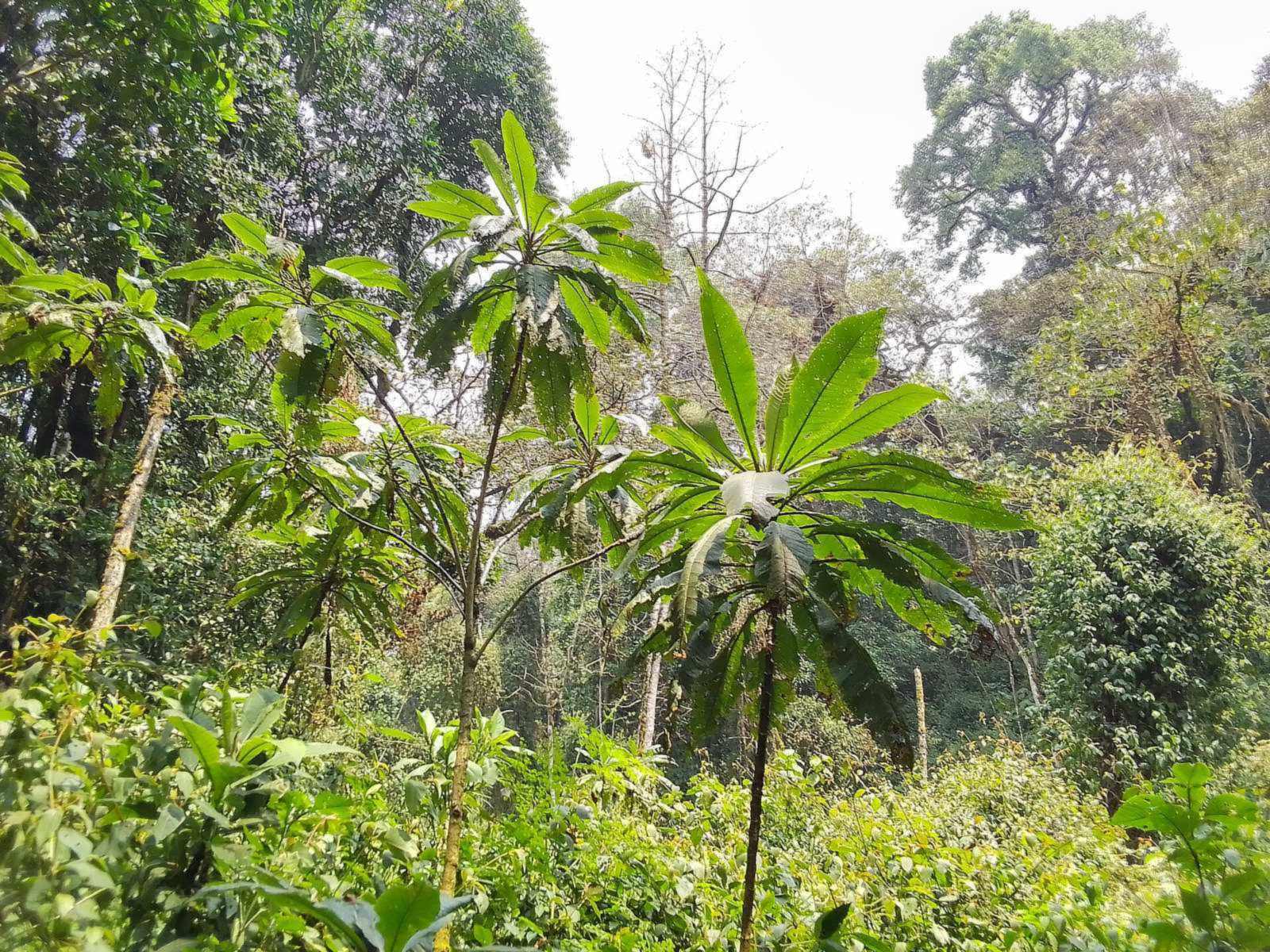
The park covers a long strip of mountain forest in the northwest of the country, at altitudes where mornings are cool and mist hangs in the valleys. It is a water tower for Burundi, feeding rivers that flow to both the Congo and the Nile. Wildlife includes black and white colobus, blue monkeys, baboons and chimpanzees, along with many Albertine Rift endemic birds.
What to do
- **Forest walks:** guided trails start from the Teza and Rwegura areas. Walks range from a short loop to a long day, often on steep, muddy paths.
- **Primate viewing:** monkeys are commonly seen, while chimpanzees are shy and sightings are never guaranteed.
- **Tea estates:** the Teza and Rwegura tea estates are some of the prettiest landscapes in Burundi. Ask locally whether factory visits are possible.
- **Birding:** turacos, sunbirds and rift endemics reward patient birders.
Getting there
From Bujumbura the road climbs through Bugarama, where travellers stop for brochettes and grilled potatoes, to the Teza area. Rwegura is reached from the north via Kayanza. Roads are paved in parts and rough in others, so travel in daylight with an experienced driver.
Safety first
Some foreign governments have warned against travel to Kibira and nearby border areas with the Democratic Republic of Congo because of armed groups. Read your government's current advice before planning a visit, ask about conditions locally, and visit only with official park guides. If the advice is against travel, the tea hills around Kayanza and the forest edge views on the Bugarama road are an alternative.
When to go
Rain is possible in any month at this altitude, but June to August is usually the driest window, with firmer trails and clearer views. The wet months bring flowering plants and lively birds but very muddy paths. Early mornings are cool, often misty, and the best time for primates; afternoons can bring heavy showers, so plan to be out of the forest by mid afternoon.
Who it suits
Kibira suits keen walkers, birders and anyone who loves forests more than big game. It is wild, with few facilities, so it rewards travellers who are comfortable with simple arrangements and who check conditions carefully. Families with younger children may prefer the tea estates and roadside views, which give a taste of the landscape without a long hike.
Practical tips
Bring waterproofs, a warm layer, sturdy shoes and cash for guide fees, which you should confirm with the park authority. There is little accommodation inside the park, so most visitors base themselves in Bujumbura or Kayanza. Start early for the best chance of seeing primates and the clearest views.
Making the most of a visit
Kibira rewards visitors who arrive prepared. Start early, as mornings offer the best chance of hearing chimpanzees calling and seeing colobus and other monkeys before the forest grows quiet in the afternoon. Go with an official park guide, who knows the trails, the current conditions and the rules. Wear sturdy shoes with good grip, long trousers and a rain jacket, and carry water, snacks and insect repellent. Combine the forest with the Rwegura tea estate on its edge, where neat green rows of tea run up to the treeline, or the coffee washing stations in Kayanza province. Photographers should bring a lens that works in low light under the canopy. Respect the quiet, keep your distance from animals, and take all rubbish with you. Before going, check current government travel advice, as parts of the forest near the border may be advised against, and confirm arrangements through the park authority or a trusted local contact.
Questions about Kibira National Park
Can I see chimpanzees in Kibira?
Chimpanzees live in the forest, but they are not habituated as in some neighbouring parks, so sightings are rare. Monkeys and birds are far easier to see.
Is Kibira safe to visit?
Check first. Some governments advise against travel to Kibira and nearby border areas. Read current official advice and go only with park guides if travel is permitted.
Can Kibira be done as a day trip from Bujumbura?
Yes, the Teza side is reachable in a long day. Leave early and return before dark.
What should I bring to Kibira?
Rain gear, a warm layer, good walking shoes, water, snacks and enough cash for guide fees.
How long should I spend in Kibira?
A full day is enough for most visitors: a morning forest walk with a guide, then time at the tea estates. Keen birders or hikers may prefer two days, staying in Kayanza or nearby. Always check advice and arrangements before setting out.
Facts checked . Fees, schedules and entry rules change, so always confirm the latest with the official source.